
Introduction
There is a profound satisfaction that comes from transforming simple ingredients. For example, using flour, eggs, and water to create a sublime (or great) meal. The difference between fresh, homemade pasta and its dried, boxed counterpart is not subtle. In fact, it is a leap in flavor, a transformation in texture, and a testament to the joy of cooking. Consequently, bringing this culinary art into your home is more accessible than ever. This is largely thanks to modern home pasta machines.
What to Expect in This Guide
This guide is designed to make the world (or demystify) of pasta machines and makers easier to understand. It will navigate you through the different types of machines available. Additionally, it will highlight the essential features to consider. This guide will also present the top-rated models on the market. By the end, you will have the confidence and clarity to choose the best pasta maker for your kitchen. This will turn the dream of authentic, delicious homemade pasta into a regular weeknight reality.
Why Homemade Pasta is a Culinary Game-Changer
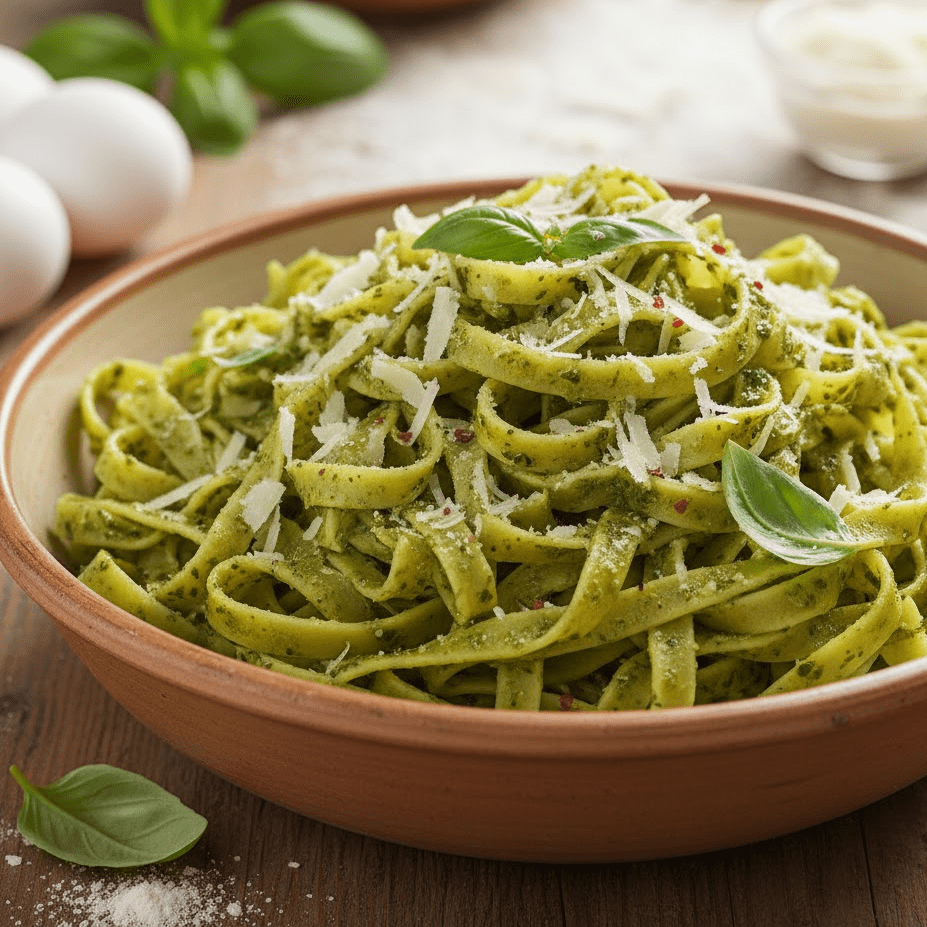
The appeal (or allure) of fresh pasta extends far beyond just being something new (or novelty). A home pasta machine unlocks a new level of cooking (or culinary) control and quality. You choose (or dictate) the ingredients. This allows for experiments with whole wheat, gluten-free flours, or colorful (vibrant) additions like spinach or beet juice. The texture is unmatched (or unparalleled). It’s tender, yet has a satisfying bite (al dente). This is something dried pasta struggles to copy (or replicate). In short, this simple kitchen tool raises (or elevates) a common (staple) food into a high-quality (gourmet) experience.
Understanding (or Decoding) Your Choices: The 3 Main Types of Home Pasta Machines
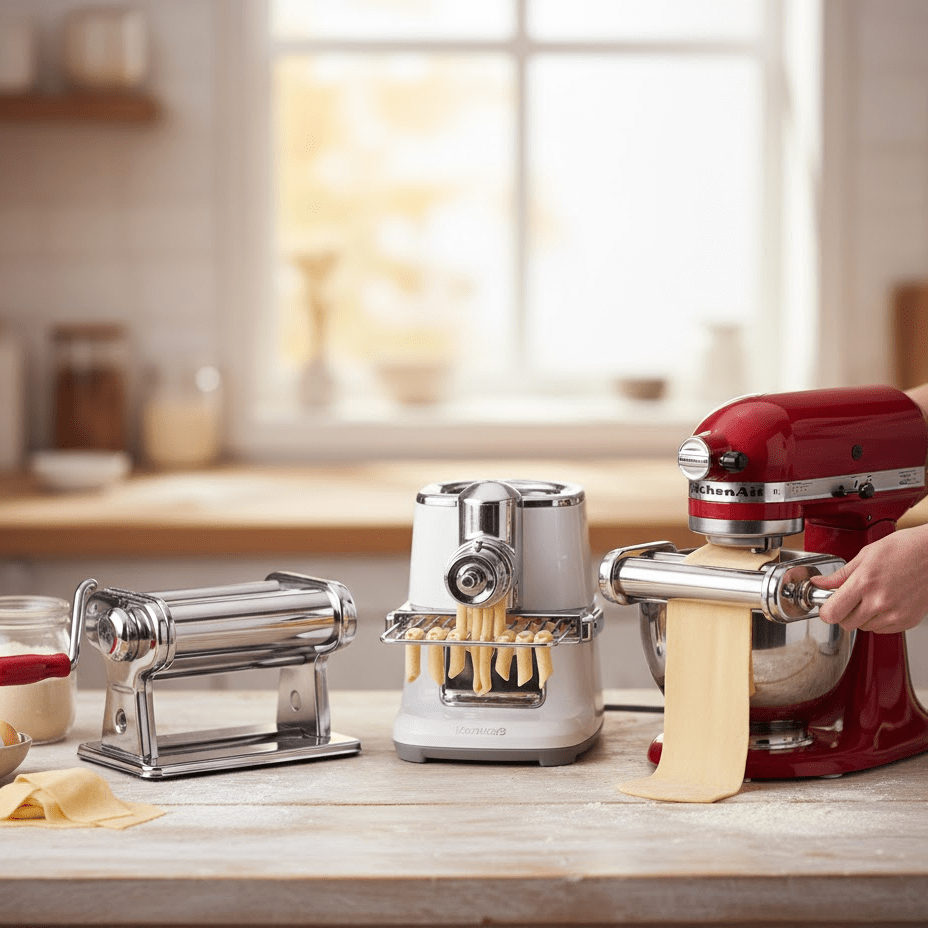
Choosing the best pasta maker begins with understanding the three main (or primary) groups (or categories). Each type offers a different (or distinct) experience. It serves (or caters to) different needs, budgets, and cooking (culinary) approaches (or philosophies).
The Traditionalist’s Choice: Manual Pasta Makers
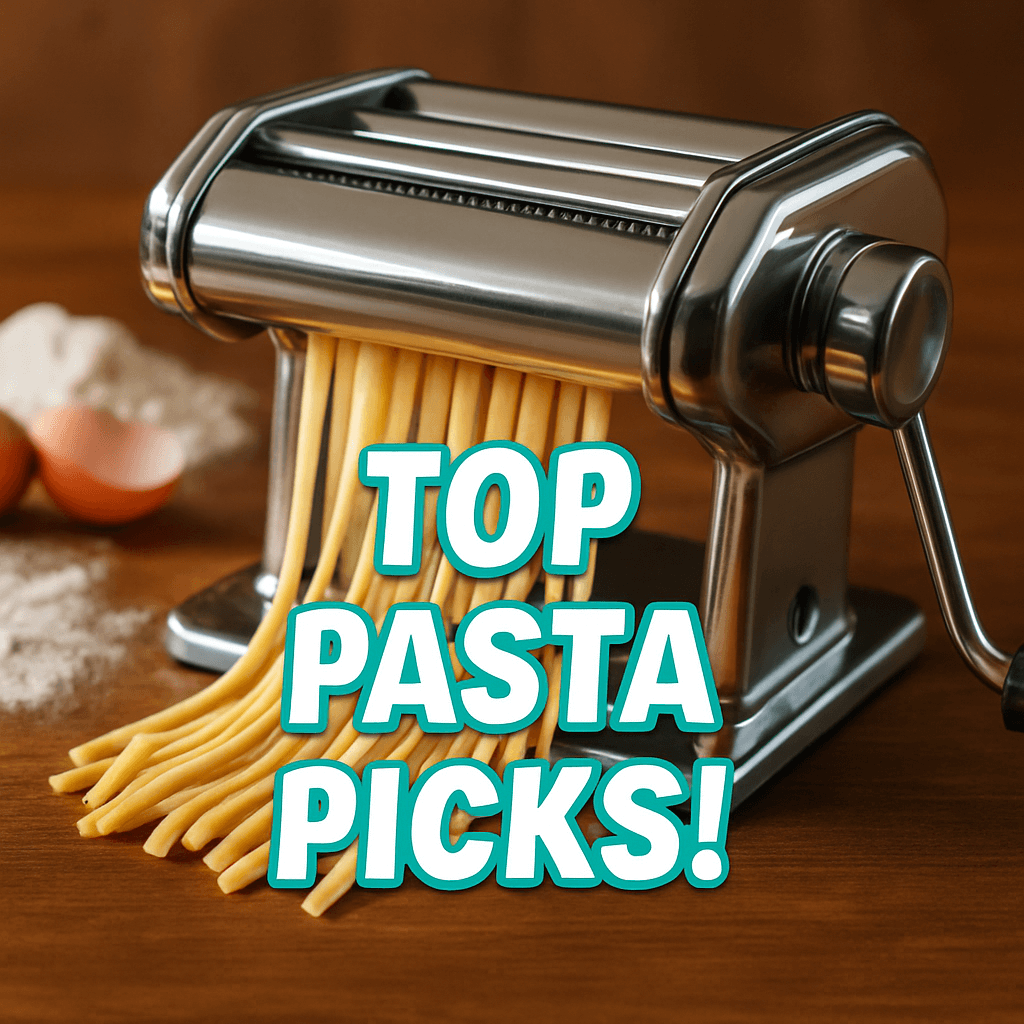
Manual pasta machines, or makers, are the classic (or quintessential) image of homemade pasta. These machines are often made (or crafted) from long-lasting (durable) stainless steel. They feature a hand crank that turns a set of rollers. You feed a flattened piece of dough through the rollers. Then, you gradually reduce the thickness with each pass by adjusting a dial. Once you get the thickness you want (the desired thickness is achieved), you run the sheet through a separate cutting attachment. This creates noodles like fettuccine or spaghetti.
- Pros: They offer unmatched (unparalleled) control over the dough’s texture and thickness. This is a feature loved (cherished) by traditional cooks (purists). They are typically the most affordable option, built to last for decades. In addition, they require no electricity.
- Cons: However, the process takes a lot of work (is labor-intensive) and requires both hands. You need one to turn the crank and one to guide the dough. They must be securely clamped to a countertop. Also, they are mostly (primarily) limited to producing flat, ribbon-style pasta shapes. You need additional, often separately sold, attachments for other shapes.
The Modern Wonder (Marvel): Electric Pasta Makers (Extruders)
Electric pasta machines, or extruders, represent the top (pinnacle) of ease-of-use (convenience). These fully automatic (automated) machines handle the entire process for you. For example, simply add your flour and eggs, select a program, and pour in your water or liquid. The machine then mixes, kneads, and pushes out (extrudes) the dough. It does this through shaping discs, known as dies. This process can produce fresh pasta in as little as 10 minutes.
- Pros: Their main (primary) benefit (advantage) is speed and ease of use. This makes them perfect (ideal) for busy families or for making large amounts (large-batch production). They can create a wide range (a vast array) of pasta shapes that rollers cannot. This includes tube-shaped (tubular) types (varieties) like penne and rigatoni, and twisted shapes like fusilli.
- Cons: Electric models are the most expensive option. Furthermore, they can be large (bulky). The cleaning process is also often more difficult (complex) due to multiple parts. Critically, they require very exact (precise) liquid-to-flour measurements (ratios). Incorrect measurements can cause the machine to fail to push out (extrude) the dough properly.
The Flexible (Versatile) Space-Saver: Stand Mixer Attachments
For those who already own a stand mixer, especially (particularly) a KitchenAid, attachments offer a great (brilliant) middle ground. These accessories connect to the mixer’s power hub. They use its powerful motor to make the rolling and cutting process automatic (automate). This approach is completely (fundamentally) different from buying a separate (standalone) pasta machine. This is because it adds new uses (extends the functionality) to a kitchen “system” (ecosystem) you already have.
A Key Point (Consideration) for Stand Mixer Owners
A person (consumer) who owns a stand mixer is not simply comparing a KitchenAid attachment to a manual machine. They are deciding whether to add a space-saving, powerful accessory to a tool they already own (possess). Therefore, for those without a mixer, the choice remains between a separate (dedicated) manual or electric machine.
- Pros: They save a lot of (significant) counter space. They do this by removing (eliminating) the need for a separate machine (appliance). The mixer’s strong (robust) motor provides steady (consistent), hands-free power. This frees up both of your hands to guide the pasta sheets. The attachments are often made in Italy with high-quality materials.
- Cons: This option is only available to those who own a matching (compatible) stand mixer. That mixer is a big (substantial) purchase (investment) in itself. The attachments, while cheaper than a high-end electric extruder, can still be costly.
How to Choose the Best Pasta Maker for Your Kitchen: 6 Key Factors
Now that you have an understanding of the main types, you can use these six factors as a checklist. This will help you find the perfect pasta machine for your needs.
1. Machine Type: Manual vs. Electric vs. Attachment
Your first decision is the most important (crucial). Do you really want (crave) the hands-on, traditional process (Manual)? Do you put speed and ease-of-use (convenience) first (prioritize) above all else (Electric)? Or do you own a stand mixer and care about (value) flexibility (versatility) and space-saving (Attachment)?
2. Material & Long-Lasting Use (Durability): The Case for Stainless Steel
Look for machines built (constructed) mostly (primarily) from stainless steel. Heavier, steel-bodied machines offer better (superior) steadiness (stability) during use. They are also much more (significantly more) long-lasting (durable) than those made with aluminum or plastic parts. In fact, this is especially true for manual models. A strong (sturdy) build helps to make sure (ensures) it will work well (reliable performance) for many years (decades).
3. Thickness Settings: The Secret to Perfect Texture
The ability to control the thickness of your pasta sheet is extremely important (paramount). Different pasta types require different thicknesses. This ranges from thick sheets for lasagna to paper-thin dough for fine (delicate) tortellini. Look for machines with a wide range of numbered settings. For example, many high-quality manual models offer 8-10 settings. Also, look for a dial that is easy to adjust.
4. Pasta Shape (Variety): Rollers vs. Extruder Dies
Think about (Consider) the types of pasta you want to make most often. If you dream of classic fettuccine alfredo or spaghetti bolognese, a manual roller or a stand mixer roller attachment will serve you perfectly. In this case, you are well-covered. On the other hand, if your heart is set on penne, macaroni, or fusilli, you will need an electric extruder. This machine must have the correct (appropriate) shaping dies.
5. Ease of Use & Cleaning: The “Easy” (Convenience) Factor
Ease-of-use (Convenience) plays a large role in how often you will use your machine. For instance, electric models are the easiest to use (operate). However, they can be the most difficult to clean. Manual machines are simple to use but require physical effort. Attachments offer a great balance of motorized ease and fairly (relatively) simple cleanup. For any machine, look for accessories like cleaning brushes. These are extremely useful (invaluable) for removing dough from tight spaces (crevices).
6. Price & Value: Finding Your Sweet Spot
Your budget will naturally guide your decision. For example, manual machines offer great (incredible) value and a long life (longevity) for a low starting (initial) cost. Electric machines are a big (significant) purchase (investment). But their ease-of-use (convenience) can be extremely valuable (priceless) for busy households. Stand mixer attachments work very well (provide excellent performance) for their price, as long as (provided) you already own the mixer.
The 5 Best Pasta Makers
We looked at many (extensive) expert tests and user reviews. As a result, these five models stand out as the best pasta machines available today.
Marcato Atlas 150: Best Overall
Key Specs: Manual Roller; Stainless Steel; 8.1″ x 7.9″ x 6.1″; Includes Fettuccine and Spaghetti Cutters.
Why We Chose It
The Marcato Atlas 150 is a legend in the pasta world for a reason. It is regularly (consistently) named the top pick by nearly every major food magazine (publication). Made in Italy, its build quality is outstanding (exceptional). It has a strong (sturdy) clamp that holds it firmly to the counter. Plus, it has a hand crank that works (operates) smoothly without slipping. It features 10 thickness settings. This is more than most other (competitor) models. This allows for exact (precise) control and the ability to roll dough to a surprisingly (astonishingly) thin 0.59 millimeters. For beginners and experts alike, the Atlas 150 is the gold standard for performance, long life (durability), and value.
Things to Think About (Consider)
As a manual machine, it requires physical effort. To make shapes beyond fettuccine and spaghetti, you will need to purchase additional attachments.
Philips Smart Pasta & Noodle Maker: Best Electric
Key Specs: Electric Extruder; Plastic/Metal; 9″ x 13″ x 12.75″; Includes 8-10 Shaping Discs.
Why We Chose It
For those who want fresh pasta with the push of a button, the Philips Smart Pasta Maker is the clear (undisputed) champion. This machine is a powerhouse of ease-of-use (convenience). It automatically mixes, kneads, and pushes out (extruding) perfect pasta in minutes. It often includes a built-in scale for easy, error-free (foolproof) measurements. Also, it comes with a wide variety of discs for shapes like penne, spaghetti, lasagna, and even shells. It’s the best pasta maker for busy people (individuals) and families. It’s for those who want to enjoy homemade pasta without the large time commitment.
Things to Think About (Consider)
This is one of the most expensive home models. It is also large (bulky) and requires careful cleaning of all parts and discs after use.
KitchenAid 3-Piece Pasta Roller & Cutter Set: Best Attachment
Key Specs: Stand Mixer Attachment; Stainless Steel; 9.7″ x 3.8″ x 2.2″; Includes Roller, Fettuccine Cutter, and Spaghetti Cutter.
Why We Chose It
For the millions who own a KitchenAid stand mixer, this 3-piece set is a game-changing (transformative) accessory. The all-metal build (construction) feels very (incredibly) long-lasting (durable). Furthermore, the attachments use (leverage) the mixer’s powerful motor. This helps to produce steady (consistently) smooth pasta sheets and cleanly cut noodles. The hands-free use (operation) makes handling long sheets of dough much (significantly) easier than with a manual crank machine. It’s the best pasta maker for getting the most (maximizing) use (versatility) out of a machine (appliance) you already own.
Things to Think About (Consider)
It requires a KitchenAid Stand Mixer (sold separately). While it is excellent for flat noodles, creating pushed-out (extruded) shapes requires a different, more difficult (complex) KitchenAid attachment.
Imperia Pasta Machine: Best Overall Runner-Up
Key Specs: Manual Roller; Chromium-Plated Steel; 8.25″ x 7.5″ x 6″; Includes Fettuccine and Spaghetti Cutters.
Why We Chose It
The Imperia Is Another Classic Italian-made machine That Runs Neck-And-Neck With The Marcato Atlas 150. This model Is Praised (Celebrated) For Its Long-Lasting (Durable), High-Quality Build. It Also Has The Ability To Roll Out Smooth, Even Sheets Of Pasta Without Tearing. You will find that It Features Six Thickness Settings. In Addition, It Makes (Produces) Excellent Results Over And Over (Consistently). For Those Looking For (Seeking) A Traditional, Dependable (Reliable) Manual Machine, The Imperia Is A Great (Outstanding) Choice And A Wonderful (Fantastic) Value.
Things to Think About (Consider)
It has fewer thickness settings than the Marcato Atlas 150. This offers slightly less fine-tuned control.
OxGord Hand Crank Pasta Maker: Best Budget Pick
Key Specs: Manual Roller; Stainless Steel; 6.2″ x 8.2″ x 8.4″; Includes Fettuccine and Spaghetti Cutters.
Why We Chose It
Are you curious about making fresh pasta? Do you want to do it without a large money (financial commitment? If so, the OxGord is the perfect starting place (entry point). Even with (Despite) its very (incredibly) low price, this machine works (performs) surprisingly well. It features 9 thickness settings and blades that cut through dough cleanly. It provides all the basic (essential) features (functions) needed to start making delicious homemade pasta. This makes it the best pasta maker for beginners on a budget.
Things to Think About (Consider)
The build quality and clamp are not as strong (robust) as high-end (premium) Italian models. It’s a great starter machine. However, serious pasta lovers (enthusiasts) may one day (eventually) want to upgrade.
At-a-Glance Comparison: The Best Pasta Makers
| Model | Type | Material | Key Feature | Price Point | Best For |
|---|---|---|---|---|---|
| Marcato Atlas 150 | Manual Roller | Stainless Steel | 10 Thickness Settings | $$ | Beginners & Purists |
| Philips Smart Pasta Maker | Electric Extruder | Plastic/Metal | Fully Automated Mixing & Extruding | $$$ | Busy Families & Variety Lovers |
| KitchenAid 3-Piece Set | Mixer Attachment | Stainless Steel | Hands-Free Motorized Rolling | $$ | KitchenAid Owners |
| Imperia Pasta Machine | Manual Roller | Chromium-Plated Steel | Durable Italian Craftsmanship | $$ | Traditionalists |
| OxGord Pasta Maker | Manual Roller | Stainless Steel | Extremely Affordable Price | $ | First-Time Pasta Makers |
Conclusion: Your Fresh Pasta Adventure Awaits

Choosing the best pasta maker is a personal choice (journey), but it doesn’t have to be a difficult (complicated) one. By understanding the basic (fundamental) differences between manual, electric, and attachment-style machines, you can narrow your search. Then, you can focus on the factors that matter most to you. This might be tradition, ease-of-use (convenience), or flexibility (versatility).
After that, you can feel sure (confidently) as you pick (select) a tool that will open up a new world of cooking (culinary) creativity. In the end (Ultimately), the purchase (investment) in one of these quality pasta machines is more than just a simple purchase. It’s an open call (invitation) to slow down, to create with your hands, and to share truly special (memorable) meals with the people you love. Welcome (Embrace) the process, and let your fresh pasta adventure begin.