
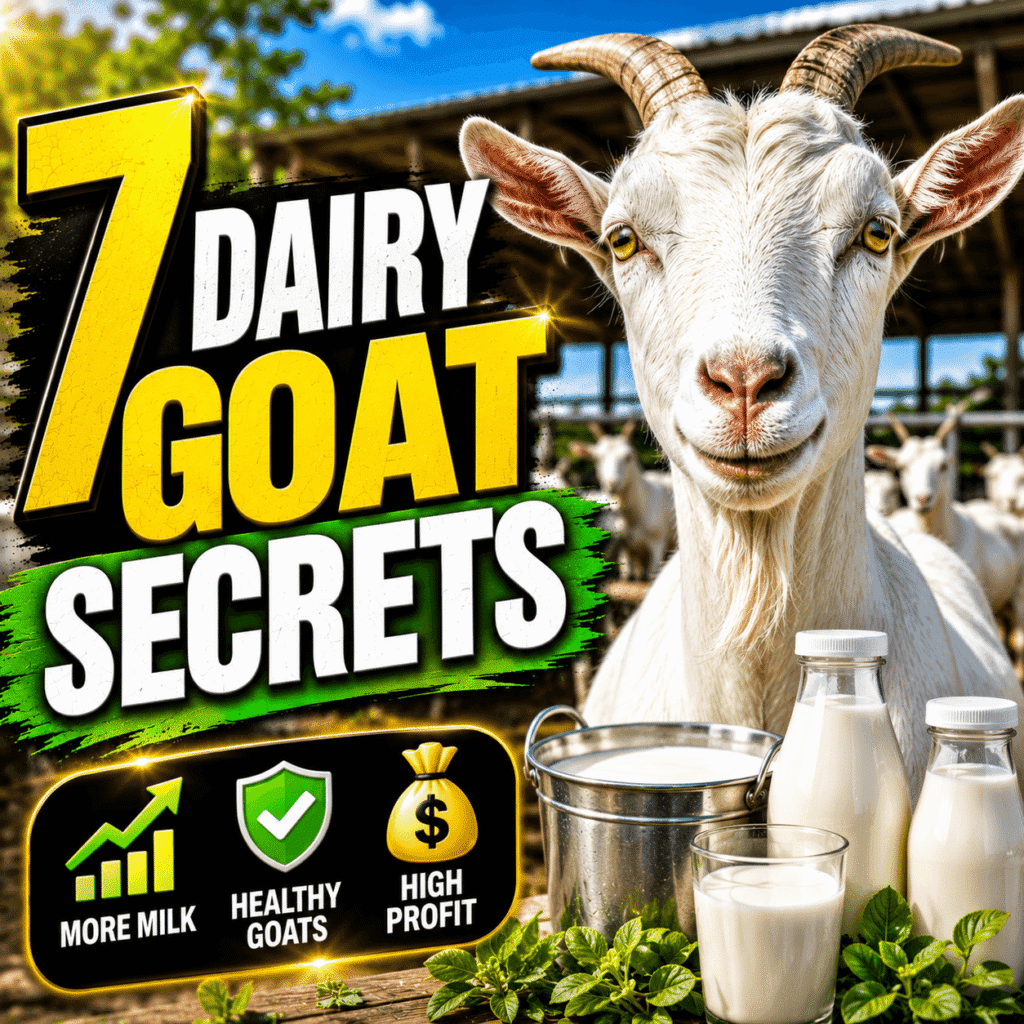
Dairy goat farming is one of the most accessible and profitable livestock enterprises for small-scale operators and homesteaders. Unlike cattle dairy operations requiring large capital investments and extensive facilities, goat dairy can thrive on modest acreage with minimal infrastructure, making it ideal for entrepreneurs seeking sustainable food production. Dairy goats convert forage efficiently into nutrient-dense milk used for fluid consumption, yogurt, and artisanal cheese production, creating multiple revenue streams from a single herd.
The global market for dairy goat products continues expanding as consumers discover the health benefits and versatility of goat milk and cheese. Dairy goat milk contains smaller fat molecules than cow milk, making it easier to digest for many people, while its unique flavor profile has earned devoted followings in culinary and nutritional communities. Starting a dairy goat operation requires understanding breed selection, facility requirements, nutrition management, and basic cheese-making techniques—knowledge that separates profitable ventures from struggling operations.
This article walks you through the seven proven steps for launching a successful dairy goats farm, from selecting the right breeds through establishing efficient milk production and cheese-making systems. Each step incorporates best practices from established dairy goat operations, regulatory requirements, and strategies that maximize profitability while maintaining animal welfare and product quality standards.
1. Understanding Dairy Goats and Market Fundamentals
Dairy goats differ significantly from meat breeds and fiber-producing breeds in their genetic selection for high milk yield, longevity, and consistent lactation cycles. Understanding these biological and market distinctions forms the foundation for operating a profitable dairy goats enterprise. Modern dairy goat farming combines traditional pastoral management with contemporary production techniques, creating operations that are both humane and economically viable for operators ranging from hobby farmers to commercial dairies.
1.1 Dairy Goats vs. Meat and Fiber Breeds
Dairy goat breeds such as Alpine, Saanen, and Nubian have been selectively bred for decades to maximize milk production and composition. These dairy goats produce 1.5 to 2 gallons of milk daily during peak lactation, compared to meat breeds yielding minimal milk suitable only for nursing kids. Dairy goats carry refined body structures optimized for converting forage and grain into milk rather than muscle, featuring angular frames, prominent hip and shoulder bones, and capacious abdomens housing large digestive systems and mammary tissues.
Conversely, meat goat breeds like Boer and Spanish possess compact, muscular builds designed for efficient protein production. Fiber breeds including Angora and Cashmere prioritize fleece growth over milk, producing negligible quantities unsuitable for dairy purposes. Attempting to milk meat breeds is economically futile, as their genetics direct nutrients toward tissue growth rather than lactation. This genetic divergence underscores the importance of acquiring animals specifically bred for dairy production, as cross-breeds or animals from non-dairy lines will severely underperform milk-production expectations and jeopardize profitability.
1.2 Market Demand and Profitability Drivers
Global dairy goat milk production is expanding at approximately 8–10% annually, driven by increasing consumer awareness of goat milk’s digestibility, nutritional profile, and the artisanal appeal of goat cheese and yogurt products. Farm-gate prices for goat milk typically range from $18 to $28 per gallon, substantially higher than cow milk, while finished cheese products command $8–$14 per pound in retail markets. This price premium reflects both the specialized production methods required and the growing consumer preference for goat dairy products in health-conscious, culinary, and international cuisine segments.
Profitability depends on achieving herd size and milk yields sufficient to cover operating costs while generating surplus for equipment investment and owner income. A well-managed dairy goat producing 1,800 pounds of milk annually at $20 per gallon (approximately 214 gallons) generates $4,280 gross revenue, requiring feed and health inputs costing roughly $1,200–$1,500 annually to yield net margin after facility amortization. Scale and efficiency are critical: marginal operations with 5–10 animals struggle to achieve profitability, while herds of 30–100 dairy goats, producing 40,000–60,000 pounds of milk seasonally, support viable commercial enterprises when managed efficiently.
2. Best Dairy Goat Breeds for Production and Profitability
Selecting the right dairy goat breed for your operation is the foundational decision determining milk yield, butterfat content, lactation longevity, temperament, and market acceptance. The most productive dairy goat breeds have been refined through generations of selective breeding to balance milk volume with composition favoring cheese and value-added product creation. Geographic origin, adaptive traits to climate and forage types, and proven production records guide breed selection for different operational contexts and profitability goals.
2.1 Alpine and Saanen Dairy Goats for High Volume
Alpine dairy goats originate from the French Alps and rank among the highest-volume milk producers globally, averaging 1.5 to 2 gallons daily during lactation. These dairy goats stand 30–32 inches tall, weigh 100–135 pounds, and display distinctive coloring patterns including chamoisee (bay with black stripes), sundgau (black with white stripes), and pied (spotted). Their genetic inclination toward extended lactation periods (up to 10 months when milked continuously) and milk composition favoring fluid consumption makes Alpines ideal for operators targeting bulk milk sales or cooperative dairy partnerships.
Saanen dairy goats, also from Alpine origins but bred for white coats and refined appearance, match Alpine production volumes while producing milk with slightly higher butterfat content optimized for cheese making. Saanens are docile, hardy in diverse climates, and maintain excellent body condition on pasture-based systems, reducing feed costs significantly. Both Alpine and Saanen dairy goats demonstrate strong disease resistance, longevity within herds (6–8 productive years), and consistent genetic performance across generations, making them reliable choices for scale-oriented operations prioritizing maximum milk output.
2.2 Nubian Dairy Goats for Butterfat and Market Appeal
Nubian dairy goats bring the legacy of African dairy traditions to contemporary North American and European operations, producing milk with the highest butterfat content (4–5%) of any dairy goat breed. These stockier animals, weighing 120–150 pounds and standing 28–32 inches, produce slightly lower volume (1–1.5 gallons daily) than Alpines but milk composition so rich it outperforms other breeds for artisanal cheese, yogurt, and butter production. Nubians feature distinctive long, pendulous ears and expressive faces, contributing to their popularity among operators emphasizing animal welfare aesthetics and artisanal product marketing.
The premium market position of Nubian dairy goat products justifies lower milk volumes through higher per-unit value, particularly when processed into specialty cheeses commanding $10–$14 per pound. Nubians display remarkable hardiness in hot climates and require slightly less supplemental grain than Alpine or Saanen herds, potentially lowering input costs in warm regions. Their strong-willed temperament requires experienced handlers, yet their intelligence and attachment to care providers make them rewarding animals for small-scale, direct-to-consumer operations emphasizing human-animal relationships alongside economic performance.
3. Setting Up Your Dairy Goat Farm Facilities and Infrastructure
Proper facility design and infrastructure separate thriving dairy goat operations from chaotic, inefficient ventures plagued by animal health problems and production losses. Dairy goat housing must provide protection from extreme weather, adequate ventilation preventing respiratory disease, proper drainage preventing parasitic infection, and organized milking workflows minimizing labor and contamination. Infrastructure investment at startup, though substantial, amortizes over 10+ years while poor facility design creates recurring losses through animal illness, reduced milk quality, and staff frustration that ultimately prove far more expensive than initial construction.
3.1 Shelter and Housing Requirements for Dairy Goats
Dairy goat barns require minimum 15 square feet of sheltered floor space per animal during confinement, with adequate ceiling height (8–10 feet) permitting manure removal and proper ventilation. Housing design prioritizes natural cross-ventilation, typically achieved through opposing wall openings and strategic roof vents, preventing ammonia accumulation from urine that damages respiratory tissues and reduces milk quality. Slotted flooring or elevated platforms facilitate manure drainage and cleaning while reducing parasitic exposure compared to solid flooring that demands frequent removal.
Modern dairy goat operations incorporate naturally lit shelters featuring large south-facing windows capturing solar heat during winter while reducing artificial lighting costs. Interior design includes elevated hay racks preventing waste and contamination, separate kidding pens for pregnant and nursing animals, and isolation areas for sick or injured animals requiring treatment. Feed storage adjacent to milking and housing areas minimizes labor and contamination, while proper drainage routing away from water sources ensures environmental stewardship and regulatory compliance in jurisdictions with pollution control requirements.
3.2 Milking Parlor Setup and Milk Storage Systems
Milking infrastructure represents the operational heart of dairy goat enterprises, directly determining milk quality, labor efficiency, and regulatory compliance. Small operations (5–20 animals) often utilize portable or stationary stanchion systems where dairy goats enter individual stalls for grain feeding while operator milking proceeds manually or with single-unit portable vacuum systems. Larger operations employ parlor configurations with multiple milking stations, automated take-offs, and cyclic vacuum systems processing 4–8 animals simultaneously, reducing per-animal milking time from 8–10 minutes to 2–3 minutes.
Milk storage demands refrigeration to 38°F or colder within 30 minutes of collection, necessitating bulk tanks with 200–300 gallon capacity for commercial operations or 20–50 gallon capacity for artisanal on-farm processing. Sanitation protocols specify stainless steel contacts (never aluminum), single-use teat wipes, hot-water rinses of all equipment post-milking, and regular system testing ensuring proper vacuum levels and pulsation ratios preventing mastitis and milk quality degradation. Water heating systems delivering 160–180°F hot water are essential, as inadequate temperature compromises sanitation efficacy and increases cleaning chemical requirements, raising operational costs substantially.
4. Nutrition and Feeding Management for Optimal Dairy Goat Production
Strategic nutrition management directly determines milk yield, butterfat content, reproductive success, and animal longevity in dairy goat herds. Dairy goats are ruminants requiring fiber-rich forage as their dietary foundation (60–75% of daily intake), supplemented with grain concentrates providing energy and protein supporting lactation above maintenance requirements. Understanding how forage quality, supplementation timing, and mineral balance interact permits operators to minimize feed costs while maximizing production—a balance critical for profitability when feed represents the largest operating expense.
4.1 Forage Quality and Pasture Management for Dairy Goats
Quality forage forms the nutritional foundation for dairy goat operations, with dairy goats consuming 4–6 pounds of dry matter daily from pasture, hay, or silage. Premium dairy goat hay harvested at boot to early-head stage contains 16–18% crude protein and 50–55% digestible fiber, directly supporting milk production without excessive grain supplementation. Pasture-based systems maximize dairy goat foraging efficiency, as animals convert fresh legume-grass mixtures into milk more economically than confined systems entirely dependent on purchased hay and grain, yet pasture quality and stocking rates demand careful management preventing overgrazing that degrades forage quality and increases parasite exposure.
Seasonal dairy goat production aligned with natural breeding cycles (lactation typically September-August following spring breeding) permits organic management and premium market positioning while reducing artificial lighting and temperature control expenses. However, operators targeting year-round milk supply implement extended breeding protocols and careful nutrition to support continued production through winter months when forage quality declines. Silage fermentation—either traditional bunker silos or modern bag silage systems—preserves summer forage quality through winter, permitting consistent nutrition and production year-round when properly managed to prevent spoilage and contamination.
4.2 Concentrate Supplementation and Mineral Balancing
Grain concentrate supplementation optimizes dairy goat production by providing energy and protein exceeding forage capacity, typically 0.5–1.5 pounds daily depending on production level, forage quality, and milk composition targets. Ration formulation demands balancing protein (15–16% for high-producing dairy goats), energy (total digestible nutrients 65–75%), and mineral ratios—particularly calcium to phosphorus (2:1 ratio prevents metabolic disorders)—while avoiding mycotoxin contamination or excessive fiber reducing digestibility. Many operators utilize purchased complete dairy goat feeds formulated specifically for lactation demands, though savvy managers source grains opportunistically (oats, barley, corn) and supplement with protein sources (soybeans, legume meals), reducing feed costs while maintaining nutritional balance.
Mineral supplementation via loose salt mixes or trace-mineralized salt blocks prevents deficiencies causing poor reproduction, hoof problems, and reduced immune function in dairy goat herds. Critical trace minerals include copper (5–10 mg/kg diet), selenium (0.15–0.30 mg/kg), zinc (40–50 mg/kg), and cobalt (0.1–0.15 mg/kg), with requirements escalating during lactation when dietary demands increase substantially. Water quality and mineral content significantly influence dietary balance; operations in high-sulfate or high-iron water regions demand adjusted supplementation preventing mineral imbalances that manifest as unexplained production declines or health crises despite apparently adequate feeding programs.
5. Dairy Goat Milk Production and Herd Management Systems
Optimizing milk production through strategic breeding, lactation management, and herd health protocols transforms marginal operations into thriving businesses. Dairy goat lactation cycles span 9–10 months from kidding through dry period, with peak milk yields occurring 4–8 weeks post-parturition declining gradually through lactation without careful management. Understanding reproductive biology, lactation physiology, and seasonal breeding strategies permits operators to synchronize peak dairy goat milk availability with market demand while managing labor requirements and infrastructure capacity to prevent bottlenecks limiting profitability.
5.1 Breeding Programs and Lactation Cycles
Strategic dairy goat breeding ensures consistent lactation cycles aligned with operational capacity and market seasonality, typically implementing fall breeding (August-September) resulting in early-spring kidding (January-February) when market prices for fresh milk and artisanal products peak. Does reach puberty at 8–12 weeks of age but should not breed until 7–9 months old when body weight exceeds 80 pounds, ensuring adequate frame development supporting pregnancy and lactation without nutritional depletion. Bucks should be selected from dairy bloodlines with proven production records, favorable body structure, and genetic freedom from hereditary conditions—inbreeding in small herds risks accumulating genetic defects reducing milk production and animal soundness.
Lactation management involves peak-milking strategies maximizing per-animal output through optimal nutrition and milking frequency (twice daily standard; thrice daily for selected high-producers) balanced against labor availability and animal stress. Extended lactation protocols deliberately extending lactation beyond natural 9-month cycles through continuous milking demand exceptional nutrition and herd health management, proving economically feasible only for premium product operations where extended supply commands price premiums exceeding additional input costs. Herd longevity metrics tracking productive lifespan (average 5–6 years in managed herds; 3–4 years in marginal operations) directly correlate with profitability—early culling from reproductive failure, disease, or structural unsoundness dramatically reduces herd lifetime earnings.
5.2 Health Management and Disease Prevention in Dairy Goat Herds
Proactive health management preventing disease outbreaks proves far more economical than reactive treatment after losses occur, with vaccination programs, parasite management, and biosecurity protocols forming the foundation of sustainable dairy goat operations. Common threats including caprine arthritis-encephalitis (CAE), caseous lymphadenitis (CL), and mastitis cause production losses, premature culling, and potential zoonotic disease transfer to humans requiring immediate action. Vaccination against clostridial diseases and enterotoxemia, routine parasite assessment through fecal testing and strategic deworming, and udder health screening via somatic cell counts and culture identify problems before they compromise herd productivity.
Biosecurity measures limiting pathogen introduction—including quarantine protocols for new animals, footbaths preventing parasite transmission, dedicated equipment preventing cross-contamination, and isolation of sick animals—require minimal investment yet prevent catastrophic losses from introduced diseases. Mastitis prevention through proper milking hygiene, prompt treatment of infected animals, and regular equipment sanitation maintains milk quality and component yields critical for cheese and specialty product markets. Working relationships with veterinarians experienced in dairy goat production prove invaluable, providing herd health consultation, reproductive management assistance, and emergency service access when critical situations demand rapid professional intervention.
6. Making Artisanal Goat Cheese and Value-Added Processing
Value-added processing transforming raw dairy goat milk into cheese, yogurt, and specialty products dramatically increases revenue per unit of milk while creating distinctive brands commanding premium prices in differentiated markets. Direct sales of artisanal goat cheese at farmers markets or through community-supported agriculture (CSA) programs generate $8–$14 per pound compared to $18–$28 per gallon for fluid milk, yet require substantially less volume to equal milk sales revenue. Cheese making demands precise temperature control, timing expertise, and hygiene discipline, yet basic equipment and straightforward recipes enable small-scale operations to initiate processing without commercial-scale investments.
6.1 Fresh Cheese Production from Dairy Goat Milk
Fresh chèvre production represents the most accessible entry point into value-added processing, requiring minimal equipment and technical expertise while producing delicious spreads commanding premium prices. Fresh dairy goat cheese begins with heating milk to 72–77°F, adding mesophilic culture and lipase powder enhancing flavor, and incubating overnight before cutting curds and draining whey through cheesecloth. The resulting moist cheese, typically ready within 24 hours, requires no aging, permits immediate packaging, and maintains outstanding sensory qualities for 10–14 days under refrigeration. Flavoring fresh chèvre with herbs, fruit purees, or honey further differentiates products and commands price premiums while building customer loyalty and repeat purchasing.
Equipment needs for small-batch fresh chèvre production remain minimal—a stainless-steel pot, dairy thermometer, cheesecloth, and colander sufficing to process 2–5 gallons milk per session into 2–3 pounds finished cheese. One gallon of quality dairy goat milk yields approximately 1.5 pounds fresh chèvre, with simple recipes accessible to absolute beginners while demonstrating immediate profitability. Many artisanal operations begin with fresh chèvre production while developing additional aged-cheese skills, yogurt fermentation, and processing techniques that progressively increase value capture and operational complexity as capital accumulates and expertise deepens.
6.2 Aged Cheese and Specialty Processing
Aged goat cheese production creating distinctive pyramid, disk, or traditional forms requires controlled ripening environments, specialized mold cultures, and months of patient maturation developing complex flavor profiles. Natural-rind cheeses requiring hand-turning and careful humidity management develop distinctive external molds creating striking visual presentation commanding premium pricing. Washed-rind cheeses creating aromatic, pungent character appeal to adventurous consumers and high-end restaurant programs willing to pay exceptional prices for distinctive products unavailable elsewhere.
Aged cheese production demands cave or controlled-temperature aging facilities (50–58°F, 90–95% humidity) representing significant capital investment, alongside regulatory licensing and regular inspection demonstrating food safety compliance. Joining cheesemaking associations, attending technical workshops, and mentoring under experienced artisans accelerates learning curves substantially, reducing costly experimentation and waste while building networks providing market access and business guidance. Successful aged-cheese operations typically require 2–3 years establishing consistent product quality, brand reputation, and market relationships before achieving profitability, necessitating financial reserves or additional income sources weathering the development phase.
7. Marketing, Regulations, and Building Profitable Markets for Dairy Goats
Even excellent dairy goat products fail to generate sustainable income without effective marketing connecting producers with customers valuing quality and willing to pay premium prices. Understanding market segmentation—fluid milk sales to cooperatives, retail cheese through farmers markets, restaurant partnerships, and direct online/subscription models—permits strategic positioning capturing maximum value. Regulatory compliance with state and federal dairy, cheese, and food safety requirements demands navigation of complex regulations varying dramatically by jurisdiction and production scale, necessitating careful attention early ensuring operations achieve legal standing without costly retroactive remediation.
7.1 Regulatory Compliance and Licensing for Dairy Goat Operations
Dairy goat operations face varying regulatory requirements based on production scale and product type, with most U.S. states requiring licenses for farms selling milk commercially. Grade A dairy regulations mandate specific facility standards, testing protocols, and record-keeping, with milk cooling, storage, and transportation meeting precise specifications. On-farm processing of cheese and yogurt under Grade A licensing offers opportunities for value-added revenue but requires facility inspection, hazard analysis plans (HACCP), and documentation proving food safety compliance—additional requirements manageable but non-trivial for operators accustomed to informal farming practices.
Many states permit raw-milk cheese production under exemptions allowing limited sales, typically through “herd-share” arrangements where customers purchase fractional animal ownership receiving milk and products directly. Understanding local regulations permits strategic positioning within legal frameworks, whether pursuing Grade A licensing, raw-milk exemptions, or hybrid approaches combining fluid milk sales with on-farm cheese production. Engaging state agriculture department representatives early clarifies requirements, identifies potential obstacles, and often reveals cost-effective pathways to compliance that operators ignorant of regulations may otherwise miss.
7.2 Building Markets and Sustainable Revenue Streams
Successful dairy goat businesses develop diversified revenue through strategic market positioning rather than depending on single channels vulnerable to market disruption. Farmers market sales establish direct consumer relationships, permit premium pricing for distinctive artisanal products, and provide immediate market feedback guiding production decisions. Wholesale relationships with specialty retailers and restaurants develop through consistent product quality, reliable delivery, and relationship-building emphasizing shared values and mutual profitability rather than transactional approaches.
Direct-to-consumer models—including subscription cheese boxes, online sales, and farm visits—build customer loyalty and differentiation commanding significant price premiums justifying direct marketing investments. Agritourism activities (farm tours, cheesemaking classes, farm dinners) generating supplemental income while building brand awareness represent increasingly important revenue streams for successful operations. Building strong brands through storytelling emphasizing sustainable practices, animal welfare, regional terroir, and producer personality creates emotional connections transcending commodity-market price competition, establishing defensible market positions
Dairy goat keeping fits naturally beside other small-farm ventures. Many keepers pair their herd with a backyard aquaponics system or with proven rabbit farming to diversify income, while others grow protein-rich spirulina alongside their dairy. For research-based guidance on herd health, nutrition, and milking, the Penn State Extension dairy goat program offers an authoritative reference.
| Dairy Goat Breed | Daily Milk Yield | Butterfat % | Best For | Ideal Climate |
|---|---|---|---|---|
| Alpine | 1.5–2 gal | 3.6–3.8% | High-volume fluid sales | Temperate to cold |
| Saanen | 1.5–2 gal | 3.2–3.5% | High-volume production | All climates |
| Nubian | 1–1.5 gal | 4–5% | Cheese and value-added | Hot and warm |
| LaMancha | 1–1.5 gal | 4–4.2% | Seasonal cheese production | Diverse |
| Production Phase | Milk Yield Timeline | Nutrition Focus | Management Priority |
|---|---|---|---|
| Pre-breeding | Off season (dry) | Body condition restoration | Prepare for breeding |
| Breeding | Off milking (5–8 weeks) | Maintain body score 2.75–3.0 | Detect estrus, manage buck |
| Early lactation (weeks 1–8) | Peak (1.5–2 gal/day) | High energy, protein (16%+) | Maximize milk, prevent ketosis |
| Mid lactation (weeks 9–25) | Declining gradually | Maintain mineral balance | Sustain production, herd health |
| Late lactation (weeks 26–40) | Further decline (0.5 gal) | Transition nutrition | Prepare for dry period |
Conclusion: Dairy Goats — Building a Profitable and Sustainable Farm
Launching a successful dairy goat operation combines strategic breed selection, proper facility investment, meticulous nutrition management, and value-added processing creating premium products commanding exceptional prices. The seven proven steps outlined in this article—from understanding market fundamentals through building sustainable revenue streams—establish the foundation separating thriving operations from marginal ventures struggling unprofitably. Dairy goat farming rewards operators combining business acumen with genuine animal stewardship, creating operations benefiting animals, families, and communities while generating meaningful income from modest land resources and capital investments.
Success requires continuous learning, network engagement with experienced producers, and willingness to adapt operations based on market feedback and production realities. Visiting established dairy goat farms, joining producer associations, and mentoring under successful operators accelerates competence development while avoiding costly mistakes. Start with careful planning and realistic financial projections, implement systems and management practices proven by successful dairy goat enterprises, and build profitable long-term operations delivering products customers value while maintaining the animal welfare and sustainability standards defining modern, ethical food production. Your dairy goat operation can become a thriving business reflecting your values while contributing to sustainable local food systems.