
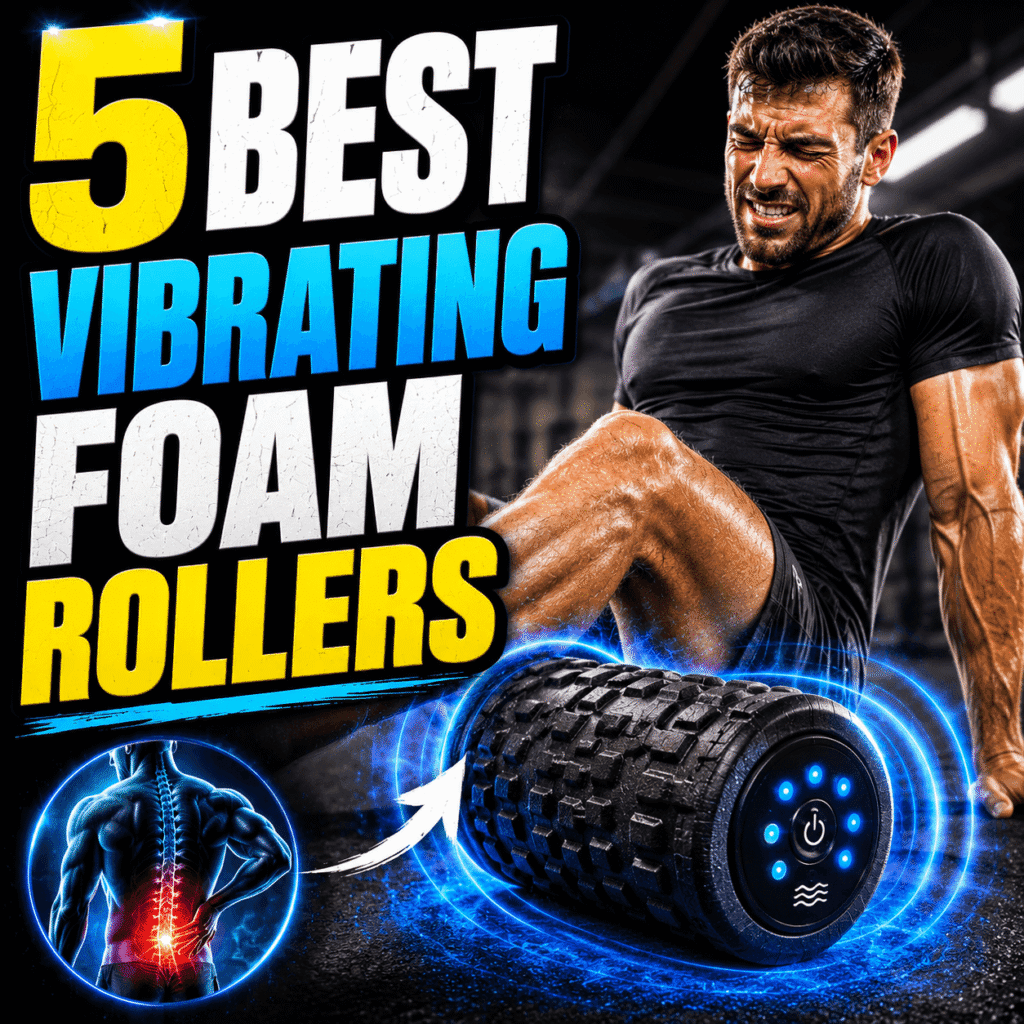
A vibrating foam roller turns a basic recovery tool into a powerful one. It combines deep-tissue rolling with rapid, soothing vibration. The buzz helps muscles relax faster than a plain roller. Athletes use it to ease tight legs after training. Desk workers reach for it to loosen a stiff back. The vibration distracts the nervous system from pressure. That makes firm rolling feel far more comfortable. In short, it helps you recover with less effort.
This article reviews five proven vibrating foam roller picks. You will see how vibration boosts ordinary foam rolling. We explain the specs that actually matter before buying. Then we compare power, settings, battery, and price. We also show how to use one safely and well. By the end, choosing the right roller becomes simple. Each pick suits a different budget and need.
Our picks reward strong motors, useful settings, and durable foam. We favored rollers with real battery life and solid build. We leaned on sports-recovery guidance and honest testing notes. The goal is practical advice you can trust. A roller supports recovery, but it does not replace rest. Pair it with sleep, hydration, and sensible training.
1. What a Vibrating Foam Roller Is and Why It Works
A vibrating foam roller looks like a normal foam cylinder. Inside, though, a motor adds steady, rhythmic vibration. You roll a muscle over it just as you always would. The vibration then works deeper into the tissue. Many trainers call this approach vibration therapy. It pairs pressure with motion to relax tight muscles. The idea borrows from massage guns and percussion tools. Yet a roller covers larger areas at once. It suits big muscle groups like the legs and back. That makes it a versatile recovery tool for many people.
1.1 How Vibration Adds to Foam Rolling
Plain foam rolling already offers real benefits for muscles. It applies pressure that helps release tight, knotted tissue. This process is often called self-myofascial release. Adding vibration makes that release feel easier and faster. The rapid pulses help the muscle relax under pressure. They also send signals that dull the discomfort of rolling. So you can press deeper without as much pain. The nervous system responds to the buzz, not just the force. That shift lets tight spots loosen more quickly. Many users feel the difference within a single session.
Vibration may also boost blood flow to the area. Better circulation brings oxygen and nutrients to tired muscles. It helps clear the waste left by hard exercise. Warm, well-supplied tissue tends to recover faster. The motion can also improve your range of motion briefly. That makes a vibrating roller useful before a workout too. A short session can prime the muscles for movement. After training, it helps them wind down and relax. The effect is supportive rather than dramatic or instant. Used consistently, it becomes a reliable recovery habit.
1.2 The Benefits of a Vibrating Foam Roller
The headline benefit of a vibrating foam roller is comfort. Deep rolling can be painful with a firm, plain roller. The vibration softens that sensation considerably. This encourages people to actually use the tool often. Consistency, after all, is where the real benefits live. A second benefit is faster, easier muscle relaxation. Tight calves, quads, and backs respond well to the buzz. Many athletes use it to reduce next-day soreness. It can also help loosen muscles before activity. That dual role makes it valuable on both ends of a workout.
A vibrating foam roller is also wonderfully convenient. You can use it at home without any appointment. A short session fits easily into a busy evening. It pairs perfectly with other simple recovery habits. Many people combine it with a warm Epsom salt bath for sore muscles. Stretching afterward extends the benefit even further. The tool is portable enough to take to the gym. Some models are small enough for a travel bag. That flexibility helps you stay consistent anywhere. Convenience, in the end, drives real, lasting results.
2. How We Chose the Best Vibrating Foam Rollers
Picking the best vibrating foam roller means weighing several factors. A strong motor matters, but so does comfort. We judged each model on power and vibration quality. We also looked at battery life and overall build. Foam density and size shaped our verdict too. Portability mattered for users who travel often. Price and value tied the whole picture together. We favored rollers that balance all of these well. None is perfect, so we note trade-offs honestly. The criteria below explain what to look for yourself.
2.1 Power and Settings of a Vibrating Foam Roller
Motor power shapes how deep the vibration feels. A weak motor stalls when you press down hard. A strong one keeps vibrating under real pressure. That consistency is what makes deep work possible. Multiple speed settings add useful flexibility too. A gentle setting suits sensitive or sore areas. A high setting tackles thick, stubborn muscle groups. Beginners benefit from starting low and building up. We favored rollers with at least three clear speeds. That range covers most users and most muscles.
Battery life decides how practical a roller really is. A short battery means constant, annoying recharging. Better models run for several sessions per charge. We checked how long each one lasts in practice. The charging method matters as well for convenience. USB charging is handy for travel and the gym. We also valued a clear battery indicator light. Running out mid-session is a frustrating surprise. A reliable battery keeps the routine smooth and simple. For daily users, this detail truly matters.
2.2 Density, Size, and Portability
Foam density controls how firm the roller feels. A firmer roller digs deeper into thick muscles. A softer one suits beginners and tender areas. Most quality rollers use durable, high-density EVA foam. That material resists denting over months of use. The surface texture also affects the experience. Raised ridges target knots more aggressively. A smoother surface feels gentler on the body. We balanced firmness with comfort for each pick. The right density depends on your pain tolerance.
Size and weight decide where you can use it. A full-length roller covers the back and legs well. A compact model fits neatly into a gym bag. Travelers usually prefer something small and light. Larger rollers offer stability for big muscle groups. Smaller ones target specific spots with precision. We noted each roller’s size and travel friendliness. Weight affects how easy it is to carry daily. The best choice depends on your space and routine. Consider where you will actually use it most.
3. 5 Best Vibrating Foam Roller Picks Reviewed
The market now offers many vibrating foam roller options. We narrowed the field to five proven, popular picks. Each one suits a different budget and goal. Some focus on raw power, others on smart features. The table below compares the key specs at a glance. Detailed reviews follow, with honest notes on trade-offs. Remember that power and battery life matter most. Use them to weigh value across these models. None of these tools replaces proper rest and training. They simply make recovery more comfortable and consistent.
| Product | Speeds | Battery | Best For |
|---|---|---|---|
| Hyperice Vyper 3 | 3 | Long | High-intensity recovery |
| Therabody Wave Roller | 5 | Long | Smart, app-guided rolling |
| TriggerPoint Nano X | 3 | Medium | Targeted muscle knots |
| Vulken Accuvibe Mini | 4 | Medium | Compact, budget pick |
| LifePro Vibe | 4 | Long | Everyday value |
3.1 Hyperice Vyper 3
Hyperice is a leading name in performance recovery gear. Its Vyper line set the standard for vibrating rollers. The Vyper 3 targets serious athletes and intense users. The brand appears in many professional training rooms. Build quality feels premium and highly durable. The roller delivers powerful, high-frequency vibration. It suits people who want the deepest possible work. For demanding recovery needs, it is a top choice.
The Vyper 3 offers three strong vibration speeds. Even the lowest setting feels noticeably powerful. The motor holds its intensity under firm pressure. A rechargeable battery powers several sessions per charge. The firm foam surface digs into thick muscle. It charges quickly and travels reasonably well. The design feels rugged enough for daily use. Controls stay simple with a single power button.
This roller suits committed athletes and heavy trainers. It is ideal for large, stubborn muscle groups. The main trade-off is its premium price tag. Casual users may find it stronger than needed. The intensity can feel overwhelming for beginners. Starting on the lowest speed helps a lot. For serious recovery, the power justifies the cost. It rewards those who use it consistently.
3.2 Therabody Wave Roller
Therabody is famous for its Theragun percussion devices. The Wave Roller brings that expertise to foam rolling. It connects to a phone app over Bluetooth. The app guides routines and adjusts the vibration. This makes it ideal for guided, structured recovery. The brand carries strong trust among athletes. Build quality and design both feel premium. It suits tech-friendly users who like guidance.
The Wave Roller offers five vibration frequencies. You can adjust them by hand or through the app. The wave-textured surface targets muscles in a unique way. A long battery life supports many sessions per charge. The roller feels smooth yet firm under pressure. Bluetooth syncing adds helpful coaching for beginners. The motor stays steady across all speed levels. Charging is simple through a standard cable.
This pick suits users who value smart features. It works well for those new to foam rolling. The app turns guesswork into a clear routine. The main trade-off is the higher price point. The textured surface feels different from flat rollers. Some users may not need the app at all. For guided recovery, though, it shines. It blends technology with genuine performance.
3.3 TriggerPoint Nano X
TriggerPoint is a trusted name in massage and mobility. Its rollers appear in gyms and clinics worldwide. The Nano X focuses on targeted, precise relief. The compact shape reaches specific muscle knots. The brand built its reputation on quality foam. This pick suits users who want focused pressure. It works well on smaller, awkward muscle areas. The design feels sturdy and dependable.
The Nano X delivers three useful vibration speeds. Its smaller size makes pinpoint work easy. The firm surface targets knots with real precision. A rechargeable battery handles several sessions per charge. The compact build fits neatly into a gym bag. It charges through a standard USB cable. The motor stays steady on tough, tight spots. Controls remain simple and easy to use.
This roller suits people who want targeted relief. It is ideal for calves, forearms, and feet. The compact size limits coverage on large muscles. A full-length roller suits the back better. Travelers will love how small it packs. For knot-focused work, it performs very well. The price sits in a fair middle range. It balances precision with everyday value.
3.4 Vulken Accuvibe Mini
Vulken focuses on affordable, practical recovery tools. The Accuvibe Mini brings vibration to a budget price. It targets newcomers and value-focused shoppers. The compact design suits travel and small spaces. The brand keeps the features simple and clear. This pick proves vibration need not be expensive. It works well for casual, everyday recovery. The build feels solid for its low cost.
The Accuvibe Mini offers four vibration speeds. That range is generous for a budget model. The small size makes it easy to carry anywhere. A rechargeable battery covers several short sessions. The firm foam handles general muscle work well. It charges through a simple USB cable. The motor performs reliably for light to moderate use. Controls stay basic and beginner-friendly.
This roller suits beginners and budget shoppers best. It is ideal for travel and quick sessions. The main trade-off is less raw power. Heavy athletes may want something stronger. The small size limits coverage on big muscles. For casual users, the value is excellent. It is a smart, low-risk first roller. Many people start their routine here.
3.5 LifePro Vibe
LifePro makes a wide range of fitness recovery gear. Its vibrating roller offers strong value for money. The Vibe targets everyday users and home gyms. The brand focuses on accessible, practical wellness tools. Build quality feels solid at a fair price. This pick balances power, size, and cost well. It suits people who want a dependable all-rounder. The design stays simple and easy to use.
The LifePro Vibe offers four vibration speed levels. The range suits both gentle and deeper work. A long battery life supports many sessions per charge. The full-size foam covers large muscles well. The firm surface digs into tight areas nicely. It charges through a standard USB cable. The motor holds steady across the speed range. A clear indicator shows the battery status.
This roller suits everyday users seeking real value. It works for both beginners and regular trainers. The size covers the back and legs comfortably. The main trade-off is a less premium feel. It lacks the app features of pricier rivals. For straightforward recovery, that hardly matters. The price-to-performance ratio is genuinely strong. It is a reliable choice for most homes.
4. How to Use a Vibrating Foam Roller for Best Results
Owning a great roller is only the first step. How you use a vibrating foam roller shapes the results. Good technique makes every session safer and more effective. Poor habits can waste time or cause discomfort. This section covers the basics of proper rolling. It also flags the mistakes that beginners often make. None of this is complicated or hard to learn. A few simple rules keep your routine productive. Read these tips once before your first real session. Then refine them as your body adapts.
4.1 Vibrating Foam Roller Technique for Each Muscle
Start by rolling slowly over the target muscle. Move about one inch per second, no faster. Slow movement gives the tissue time to release. When you find a tender spot, pause on it. Hold steady pressure there for twenty to thirty seconds. The vibration helps that knot relax more quickly. Breathe deeply and try to stay relaxed throughout. Never roll directly over a joint or bone. Focus on the soft, muscular areas instead. This keeps the work both safe and effective.
Different muscles call for slightly different approaches. For the calves, roll from the ankle toward the knee. For the quads, work slowly up the front of the thigh. The upper back responds well to gentle, broad strokes. Avoid rolling the lower back directly with force. Support your body weight with your arms as needed. Adjust the vibration speed to each muscle’s sensitivity. Tender areas deserve a gentler setting at first. Spend a couple of minutes on each major group. Consistency across sessions brings the best results.
4.2 Timing, Safety, and Mistakes to Avoid
Timing affects what a foam roller does for you. Before a workout, roll briefly to prime the muscles. A short session can improve your range of motion. After training, roll longer to aid recovery. In the evening, it can help you unwind. Keep total sessions to around ten or fifteen minutes. More is not always better with rolling. Drink water afterward to support tired muscles. A gentle stretch can extend the benefits further. Build the habit slowly and stay consistent.
A few mistakes can spoil your results or cause harm. Never roll directly on an injury or sharp pain. Rolling a true injury can make it worse. Avoid spending too long on one single spot. Excess pressure there can bruise the tissue. Do not roll the lower back with hard force. Skip the neck and other delicate areas entirely. Pregnant readers should ask a doctor first. The Cleveland Clinic offers sound guidance on safe rolling. When pain is sharp, stop and seek advice.
5. Who Should Buy a Vibrating Foam Roller
A vibrating foam roller is not essential for everyone. Still, many people gain real value from one. The right buyer depends on goals, budget, and habits. Athletes and very active people benefit the most. Yet office workers and casual exercisers gain too. This section helps you decide if it fits you. It also points each type toward a sensible pick. None of this is about chasing the priciest model. The best roller is the one you will actually use. Match the tool to your real, daily routine.
5.1 Best for Athletes and Active People
Serious athletes put their muscles under heavy stress. Hard training leaves tissue tight and sore. A vibrating roller speeds up the recovery process. It helps loosen muscles before a big session. After training, it eases next-day stiffness well. Runners, lifters, and team-sport players all benefit. The vibration handles the dense, fatigued muscle they build. A powerful model like the Vyper suits them best. Consistent use supports better performance over time. For this group, the investment makes clear sense.
Active people also value the convenience this tool offers. Recovery at home saves time and money. A quick session fits between training and rest. It complements other habits like sleep and good food. Magnesium-rich nutrition supports muscle recovery from within. A gentle magnesium supplement can round out a routine. The roller then handles the physical side of recovery. Together these habits keep hard-working muscles healthy. The key is using the tool regularly, not occasionally. Steady habits beat any single intense session.
5.2 Everyday Users and Desk Workers
You do not need to be an athlete to benefit. Desk workers carry tension in the back and neck. Long hours sitting leave muscles stiff and tight. A vibrating roller helps release that built-up tension. A few minutes each evening can ease the strain. The comfort of vibration makes the habit sustainable. Beginners often quit plain rollers because they hurt. The gentle buzz keeps the experience pleasant instead. That comfort is exactly what keeps people consistent. For everyday stiffness, it is a simple solution.
Casual users should choose comfort and value over raw power. A budget or mid-range model fits them well. The Vulken or LifePro picks suit this group nicely. They offer enough power without a high price. Start on a low setting and build up slowly. Use the roller while watching television to stay consistent. Pair it with short walks and gentle stretching. These small habits add up to real relief. There is no need for the strongest device. The best roller is the one you enjoy using.
Conclusion: Is a Vibrating Foam Roller Worth It?
A vibrating foam roller earns its place for most active people. It makes deep recovery work far more comfortable. The buzz helps tight muscles relax with less pain. That comfort is what keeps the habit going. Our five picks cover every budget and need. Athletes can reach for the powerful Hyperice Vyper. Smart-feature fans will enjoy the Therabody Wave Roller. Budget shoppers get great value from Vulken or LifePro.
Choose a roller that matches your real routine. Focus on power and battery life over fancy extras. Use good technique and start on a gentle setting. Pair the tool with sleep, hydration, and stretching. Avoid rolling injuries or delicate areas with force. A vibrating foam roller supports recovery, not miracles. Used consistently, it helps muscles feel loose and ready. Pick one today and make recovery a real habit.