
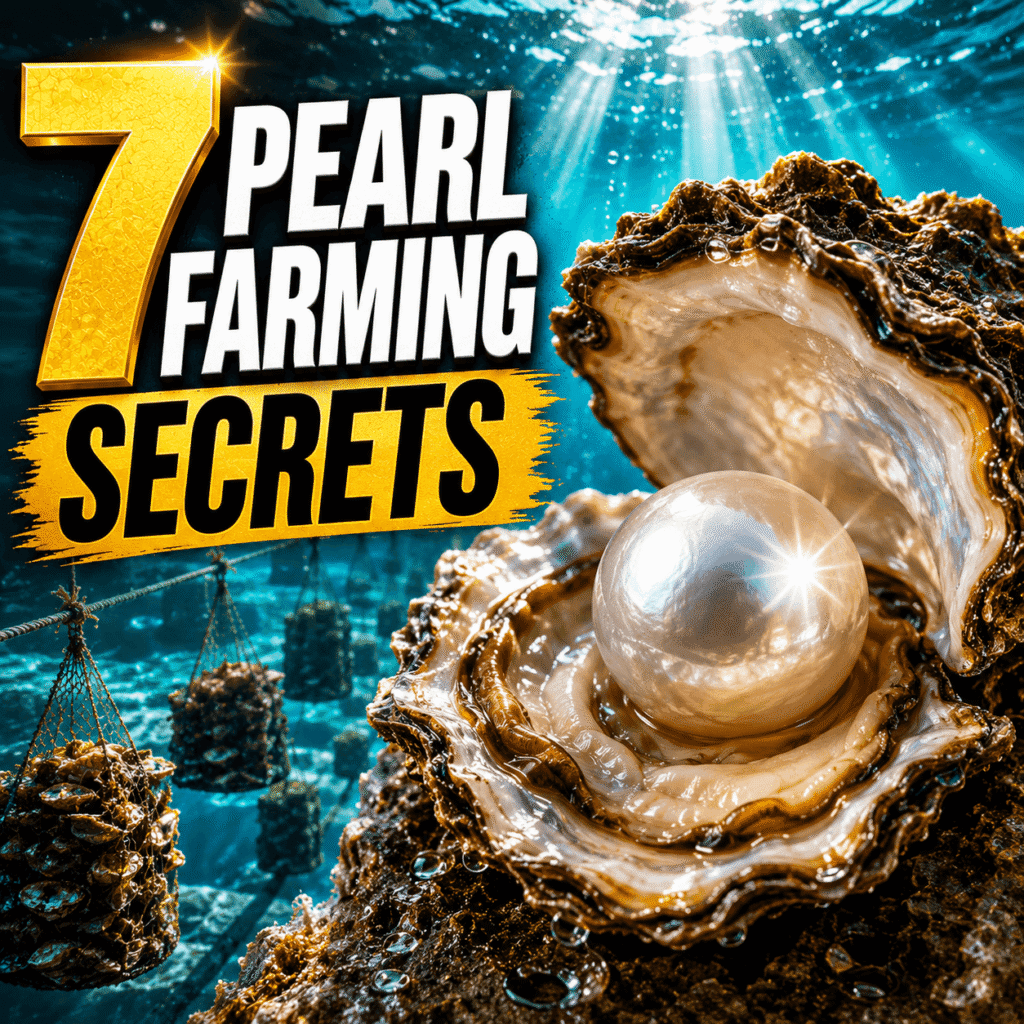
Pearl farming is one of the few ventures that turns patience into genuine treasure. By cultivating mussels or oysters in clean water, a grower can produce gems worth far more than the modest cost of raising them. The appeal is clear: a small pond or a stretch of coastline can yield pearls prized by jewelers worldwide. For homesteaders and small entrepreneurs, this craft blends aquaculture with a luxury market that rarely fades. With the right knowledge, even a beginner can grow pearls of real beauty and value.
The economics of pearl farming reward those who plan carefully and wait. A single freshwater mussel can hold dozens of pearls at once, multiplying the return per animal. Meanwhile, demand for cultured pearls stays strong across jewelry, fashion, and gift markets. Because the mussels also filter and clean the water, the process supports a healthy aquatic environment. This combination of profit and sustainability makes pearl culture an unusually attractive small farm enterprise. It demands skill, yet the barriers to entry remain surprisingly low.
This article lays out seven secrets for building a successful operation from the ground up. You will learn how pearls form, how to choose between freshwater and saltwater systems, and how to select healthy mussels. Furthermore, it covers the grafting process, daily care, and the final steps of harvesting and selling. Each secret draws on proven aquaculture practice, so beginners can start small and grow with confidence. By the end, you will understand the full journey from a bare mussel to a finished, lustrous pearl.
1. Understanding Pearl Farming and How Pearls Form
Pearl farming works by guiding a natural defense process inside a living mollusk. When an irritant enters a mussel or oyster, the animal coats it with a smooth substance called nacre. Layer upon layer of nacre builds up over months and years, forming a pearl. Farmers simply trigger and manage this process on purpose. Understanding the biology behind it is the foundation of every successful operation. Once you grasp how nacre forms and what conditions speed it along, the rest of the craft becomes far easier to plan, control, and improve over time.
1.1 How Pearls Form in Nature
A pearl begins when a foreign object lodges inside a mollusk’s soft tissue. The animal cannot expel the irritant, so it defends itself instead. It secretes nacre, the same shimmering material that lines the inside of its shell. Over time, thousands of thin nacre layers wrap around the intruder. As a result, a smooth, rounded pearl slowly takes shape. In the wild, this happens rarely and by pure chance, which is why natural pearls were once extraordinarily expensive.
Cultured pearl farming removes the element of chance from this process. Instead of waiting for nature, the farmer inserts a tiny bead or piece of tissue by hand. This deliberate step guarantees that nacre formation begins exactly where intended. Consequently, a managed mussel reliably produces a pearl rather than nothing at all. The quality still depends on water, nutrition, and care over the growing period. Nonetheless, controlling the trigger transforms a rare accident into a dependable, repeatable harvest that a farmer can plan around.
1.2 Why Pearl Farming Is Profitable
The profit in pearl farming comes from a wide gap between cost and value. Raising a mussel costs little, yet a quality pearl can sell for a substantial sum. Freshwater mussels make the math even better, because each one can grow many pearls at once. For example, a single mussel may carry twenty to thirty pearls during one cycle. Therefore, even a modest pond can hold thousands of developing gems. The market for cultured pearls also stays remarkably steady through changing fashions.
Patience is the price of these strong margins. A pearl needs two to four years to reach a desirable size and luster. During that time, costs stay low while the value inside each mussel quietly grows. Meanwhile, the same mussels filter the water and improve the pond’s health. This slow, compounding return suits growers who think in seasons rather than days. In fact, the long timeline keeps competition limited, which helps protect prices for those willing to wait.
2. Freshwater vs. Saltwater Pearl Farming
One of the first big decisions in pearl farming is the choice of water type. Freshwater systems use mussels in ponds, lakes, or tanks, while saltwater systems use oysters in the sea. Each path carries its own costs, risks, and rewards. Freshwater farming is more forgiving and far better suited to beginners. Saltwater farming, in contrast, produces fewer but often more valuable round pearls. Your climate, budget, and access to water will steer the choice. The subsections below compare both routes so you can pick the one that fits your situation best.
2.1 Freshwater Pearl Farming
Freshwater pearl farming is the most accessible entry point into the craft. It uses hardy mussels raised in ponds, lakes, or large tanks. These mussels tolerate a wide range of conditions, which forgives beginner mistakes. Crucially, each mussel can produce many pearls in a single cycle. As a result, freshwater systems deliver high volume at a relatively low cost. This abundance makes them the engine of most of the world’s cultured pearl supply.
The trade-off is that freshwater pearls vary more in shape and size. Many emerge slightly irregular rather than perfectly round. However, modern techniques have steadily improved their roundness and luster. For a new farmer, the lower risk easily outweighs this drawback. Additionally, the sheer number of pearls per mussel cushions the impact of any imperfect ones. For most people starting out, freshwater farming offers the safest and most rewarding path to a first harvest.
2.2 Saltwater Pearl Farming
Saltwater pearl farming produces the famous round pearls that command premium prices. It relies on marine oysters such as Akoya, South Sea, and Tahitian varieties. Each oyster typically grows just one pearl per cycle, so volume stays low. In return, the pearls are often rounder, larger, and more valuable. This focus on quality over quantity defines the saltwater approach. For growers near clean coastal water, it can be extremely rewarding.
The demands of saltwater farming are considerably higher, though. Marine oysters are sensitive to temperature, salinity, and pollution. Consequently, they require stable coastal conditions and careful monitoring. The startup cost is also greater, since sea-based gear and access add expense. For these reasons, saltwater farming suits experienced growers more than absolute beginners. Still, for those with the right location and patience, the payoff per pearl can be exceptional.
3. Choosing Mussels and a Pearl Farming Site
Success in pearl farming starts long before the first pearl forms. The mussels you choose and the water you raise them in decide everything that follows. Healthy, well-matched mussels grow faster and produce better nacre. A clean, stable site keeps them alive and productive for years. Rushing either decision is the most common beginner mistake. Therefore, careful selection at this stage pays off through every later step. The subsections below explain how to pick strong mussels and how to judge whether a site can support a thriving operation.
3.1 Selecting Healthy Mussels
Choosing the right mussels is the bedrock of a productive farm. Look for mature, vigorous animals from a reputable hatchery or clean wild source. The shells should be intact, well-shaped, and free of cracks or heavy fouling. Age matters too, since mussels need to be old enough to survive the grafting operation. For instance, many farmers select mussels around one to two years old. As a result, the animals are strong enough to recover and begin coating a nucleus quickly.
Species choice shapes the kind of pearls you can grow. Freshwater farmers often favor hardy mussels known for thick, even nacre. These species tolerate handling and produce pearls of pleasing color and shine. Additionally, sourcing locally adapted mussels improves survival in your specific climate. Avoid weak or diseased stock, because a poor start cannot be corrected later. In short, investing time to find robust, suitable mussels gives your whole operation the best possible foundation.
3.2 Choosing the Right Water Site
The water site is the living home of your entire investment. Mussels need clean, well-oxygenated water with a steady supply of natural food. A pond rich in plankton feeds the mussels without costly supplements. Water depth should be enough to keep temperatures stable through the seasons. Furthermore, the site must be free of pollution, runoff, and chemical contamination. These conditions directly shape how fast and how well your pearls grow.
Stability is the quality that matters most in a good site. Sudden swings in temperature, pH, or oxygen stress the mussels and slow nacre formation. A sheltered pond or calm inlet buffers these changes naturally. Access also counts, since you will visit the site often to check and tend the stock. For example, a pond near your home is far easier to monitor daily. By securing a clean, stable, accessible site, you give your mussels the consistent environment that quality pearls require.
4. Setting Up a Pearl Farming Operation
With mussels and a site secured, the next step is building the physical operation. Pearl farming relies on simple gear that holds mussels safely in the water column. Nets, panels, and ropes keep the animals suspended where food and oxygen flow freely. Good setup protects the stock from predators and makes daily care manageable. Smart planning here saves countless hours over the long growing period. The subsections below cover the essential equipment and how to prepare your ponds or panels for a productive run.
4.1 Equipment for Pearl Farming
The equipment for pearl farming is refreshingly modest and affordable. Mesh panels or net pockets hold individual mussels in neat rows. Floating lines or frames suspend these panels at the ideal depth. Buoys keep the system afloat, while anchors hold it steady against wind and current. As a result, the mussels stay in clean, food-rich water without touching the muddy bottom. This suspension method protects them from many predators and parasites.
A few specialized tools support the delicate grafting work. Surgical instruments, mantle tissue, and small nuclei are needed for the implant operation. Clean buckets, sorting trays, and a shaded workspace round out the kit. For instance, a calm, clean table near the water makes grafting far easier. Because the gear is inexpensive, most of your investment goes into time and skill rather than hardware. This low equipment cost is one reason pearl farming appeals to small, careful operators.
4.2 Preparing Your Ponds and Panels
Preparation turns a raw pond into a productive pearl farm. Begin by testing the water and confirming a healthy plankton supply. Clear away debris and ensure the depth stays stable across the seasons. Next, install the floating lines and space the panels for good water flow. Crowding restricts food and oxygen, so generous spacing pays off in growth. Meanwhile, a well-prepared pond needs less correction once the mussels are in place.
Organizing the layout carefully makes years of care much easier. Arrange panels in numbered rows so you can track each batch and its grafting date. Leave clear lanes for a small boat or walkway to reach every unit. Additionally, position the grafting and sorting area close to the water’s edge. This organization saves time during inspections, cleaning, and the eventual harvest. By preparing ponds and panels thoughtfully, you lay the groundwork for a smooth, manageable operation that runs for years.
5. The Pearl Farming Nucleation Process
Nucleation is the heart of pearl farming and the skill that defines a grower. In this delicate operation, the farmer implants a nucleus into the mussel by hand. The animal then coats that nucleus with nacre over the following years. Done well, the procedure produces a healthy pearl with minimal harm to the mussel. Done poorly, it kills the animal or yields a misshapen result. Therefore, mastering this step separates hobbyists from serious producers. The subsections below walk through the grafting operation itself and the crucial recovery that follows.
5.1 The Grafting Operation
Grafting is a precise, surgical step that demands a steady hand. The farmer gently opens the mussel just enough to reach the soft mantle tissue. A small bead nucleus, plus a piece of donor mantle, is then inserted carefully. The donor tissue is what triggers the nacre-producing sac around the bead. As a result, the mussel begins coating the nucleus soon after the operation. Cleanliness throughout is essential, since infection at this stage can kill the animal.
Freshwater and saltwater methods differ in important ways. Freshwater mussels often receive only mantle tissue, and they can take many implants at once. Saltwater oysters usually get a single bead plus tissue for one round pearl. Authoritative aquaculture bodies, such as the FAO’s guidance on pearl culture, stress gentle handling and sterile tools. Practicing on a few mussels first builds the confidence and speed the work requires. With repetition, the operation becomes quick, and survival rates climb steadily.
5.2 Recovery and Nacre Growth
The days right after grafting are the most fragile in the whole cycle. Newly operated mussels need calm, clean water and minimal handling. Many farmers place them in a sheltered recovery area for several weeks. There, the animals heal and the nacre sac forms around each nucleus. As a result, gentle conditions during this window directly raise survival rates. Rushing the mussels back into rough water now undoes all your careful work.
Once recovered, the mussels return to the main growing lines. From this point, nacre builds slowly, layer by shimmering layer. The process continues for two to four years, depending on the pearl size you want. Meanwhile, steady water quality and good food keep the nacre smooth and bright. Patience again proves decisive, because thicker nacre means a more durable, lustrous pearl. By protecting the mussels through recovery and the long growth phase, you steer each one toward a beautiful result.
6. Caring for Mussels During Pearl Growth
The long growing phase is where attentive care quietly builds value. For several years, the mussels need clean water, steady food, and protection from threats. Neglect during this time produces dull, thin, or damaged pearls. Consistent management, by contrast, yields bright gems with thick nacre. The work is light but must be regular, season after season. Because the payoff lies years ahead, discipline now is essential. The subsections below cover the routine care and the threats you must guard against throughout the growth period.
6.1 Daily Care and Water Quality
Routine care keeps mussels healthy and nacre forming smoothly. The most important task is maintaining clean, oxygen-rich water around the stock. Mussels feed by filtering plankton, so a living, fertile pond does much of the work. Still, you should check water clarity, temperature, and flow regularly. Additionally, cleaning fouling such as algae off the panels keeps water moving freely. These simple habits prevent the slow decline that ruins a harvest.
Periodic inspection lets you catch problems before they spread. Every few weeks, lift a sample of panels and examine the mussels closely. Look for open, unresponsive shells, which signal sickness or death. Removing dead animals quickly protects the rest from disease. Meanwhile, gently rotating or repositioning panels evens out food and light exposure. By blending steady water management with regular checks, you keep the whole population growing strong toward harvest.
6.2 Protecting Mussels from Threats
Many threats can undo years of patient work in a single season. Predators such as birds, fish, and crabs target exposed mussels. Suspending the panels off the bottom blocks many of these attackers. Furthermore, secure mesh and covers add another layer of defense. Pollution is an equally serious danger, since chemicals can poison a whole pond. Guarding the water source against runoff protects your entire stock at once.
Weather and disease round out the list of risks to manage. Sudden storms can damage lines, while heat waves lower oxygen sharply. Therefore, checking and reinforcing your gear before bad weather is wise. Disease spreads fastest in crowded or dirty conditions, so spacing and cleanliness help prevent it. Quarantining new or sick mussels limits any outbreak that does appear. By anticipating these threats and acting early, you protect the slow, valuable investment growing inside every shell.
7. Harvesting, Grading, and Selling Your Pearls
After years of patient care, the harvest is the moment that rewards every effort. Timing, careful extraction, and smart grading turn raw pearls into real income. A pearl pulled too early has thin nacre and little value. One harvested at the right moment glows with depth and durability. Grading then sorts the crop so you can price each pearl fairly. Finally, choosing the right market captures the full value of your work. The subsections below cover harvesting your pearls and grading and selling them for the best return.
7.1 Harvesting Your Pearls
Harvesting is the rewarding climax of the whole pearl farming cycle. Most pearls are ready after two to four years of steady nacre growth. Cooler months are often chosen, because the nacre laid down then tends to be brighter. The farmer carefully opens each mussel and removes the finished pearls. For freshwater mussels carrying many pearls, this single step can yield a striking haul. Gentle handling protects both the pearls and any mussels you wish to graft again.
Some mussels can return for a second productive round. After harvest, healthy animals are re-grafted and placed back in the water. As a result, a strong mussel can yield pearls across several cycles. Freshly harvested pearls are then cleaned gently to reveal their natural shine. Washing away debris and tissue prepares them for sorting and sale. By harvesting at the right time and handling the crop with care, you preserve the beauty that years of work created.
7.2 Grading and Selling Pearls
Grading sorts your harvest by the qualities buyers value most. Jewelers judge pearls on size, shape, luster, color, and surface cleanliness. Round, smooth, highly lustrous pearls earn the top prices. Slightly irregular ones still sell well for casual and artisan jewelry. Sorting your crop into clear grades lets you price each tier fairly. As a result, buyers trust your offering and you capture more total value.
Selling direct is where pearl farming profit truly peaks. Local jewelers, craft markets, and online shops all connect you with buyers. Telling the story of your farm adds value that mass-produced pearls cannot match. Much like raising backyard livestock through proven rabbit farming or running an aquaponics system, pearl culture rewards direct relationships with customers. Anglers who enjoy water work may also like our ice fishing secrets. Together, these ventures build a diverse, resilient income from the water.
| Factor | Freshwater Pearl Farming | Saltwater Pearl Farming |
|---|---|---|
| Animal | Mussels (ponds, lakes) | Oysters (sea) |
| Pearls per animal | Many (20–30+) | Usually one |
| Difficulty | Beginner-friendly | Advanced |
| Startup cost | Low to moderate | High |
| Pearl value | Moderate, high volume | High per pearl |
| Quality Factor | What Graders Look For | Effect on Value |
|---|---|---|
| Luster | Bright, mirror-like surface shine | Highest impact on price |
| Shape | Round is rarest; drops and baroque vary | Round commands a premium |
| Size | Diameter in millimeters | Larger pearls cost more |
| Surface | Few spots, bumps, or blemishes | Cleaner surface raises value |
| Color | Even, appealing body color and overtone | Rare colors lift price |
| Stage | Approximate Timeline | Key Focus |
|---|---|---|
| Mussel conditioning | 1–2 months | Healthy, graft-ready animals |
| Grafting and recovery | 4–6 weeks | Sterile work, calm water |
| Nacre growth | 2–4 years | Stable water, steady food |
| Harvest and grading | Cooler months | Right timing, careful sorting |
Conclusion: Pearl Farming — Patience That Pays in Pearls
Pearl farming blends science, patience, and genuine artistry into a rewarding craft. By understanding how nacre forms and managing it with care, you turn humble mussels into treasures. The seven secrets in this article carry you from biology and site selection through grafting, care, and the final sale. Each step builds on the last, so a careful beginner can grow real pearls on the first attempt. Above all, success rewards those who respect the slow, living process at the center of the work.
The best time to begin learning is now, with a small batch and a clean pond. Start modestly, practice your grafting, and let the mussels do their quiet, beautiful work. As your skill grows, expand your panels, refine your technique, and build your market. Pearl farming rewards patience with a harvest few other ventures can match in beauty or margin. Your journey toward homegrown gems starts with a single mussel and the willingness to wait, so take that first step today.