A healthy flock can turn sick within days, and a single outbreak can erase a whole cycle’s profit. That risk is why poultry diseases sit at the top of every serious farmer’s worries. The encouraging news is that most losses are preventable rather than inevitable. Strong routines stop the majority of problems before they ever start. Therefore, prevention, not treatment, is where the real money and welfare gains live.
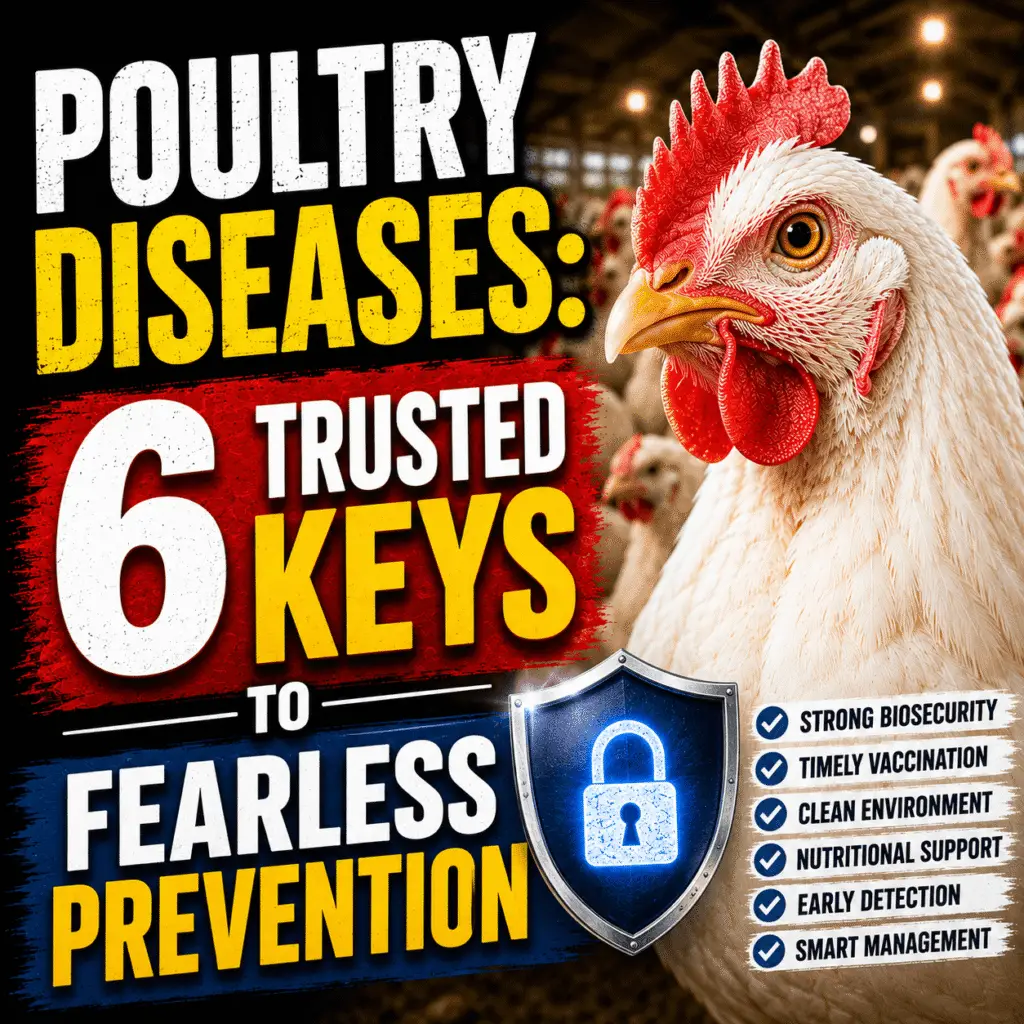
This article sets out six trusted keys to keeping a flock healthy and mortality low. You will see how biosecurity, vaccination, and early detection work together as a defense. Each key reduces the chance of disease and limits its spread if it does appear. Additionally, the guidance stays evergreen and suits both small units and larger commercial barns. The goal is a flock that reaches market weight with the fewest possible losses.
Controlling poultry diseases protects both the bird count and the feed already invested in every chick. Fewer deaths mean more birds to sell and a lower cost spread across the flock. Consequently, disease prevention improves profit as directly as any feeding or housing upgrade. Moreover, a healthy flock grows faster and converts feed better at the same time. By the end, you should be able to build a simple, reliable health plan for any flock size.
1. Why Preventing Poultry Diseases Beats Curing Them
Prevention beats cure in almost every part of poultry farming. Treating a sick flock is costly, uncertain, and often too late to save the margin. By contrast, the habits that prevent disease cost little and protect the whole investment. Because margins are thin, avoiding a single outbreak can be the difference between profit and loss. Meanwhile, prevention also supports faster growth and better feed conversion in healthy birds. Understanding this balance reframes health spending as an investment rather than an expense. The subsections below examine the economics of mortality and the case for prevention.
1.1 The Economics of Poultry Diseases and Mortality
Every bird that dies takes its share of feed and care with it. The chick was bought, housed, and fed, yet returns nothing when it dies. As a result, mortality is a double loss: the bird itself and the inputs already spent on it. Cutting the death rate from ten percent to five percent directly adds saleable birds. Meanwhile, those extra birds carry no additional feed cost for the ones that survive. Therefore, small gains in survival flow almost entirely to profit. Because the feasibility numbers assume a survival rate, protecting it defends the whole plan. Seen this way, disease control is pure margin protection.
Mortality also disrupts far more than the final bird count. A disease outbreak slows the growth of survivors and raises the feed conversion ratio. Additionally, sick birds may need medication, adding cost on top of the losses. The stress of an outbreak can ripple through the flock for the rest of the cycle. For the full cost picture, our article on broiler farming economics shows how mortality shifts the numbers. Because these effects compound, preventing disease protects growth, feed efficiency, and cash at once. In short, a low death rate is one of the strongest signs of a well-run flock.
1.2 Prevention as an Investment
Spending on prevention returns far more than it costs. A footbath, clean water, and timely vaccines are cheap next to an outbreak. Because one serious disease event can wipe out a cycle, these small costs are insurance. Meanwhile, prevention works quietly, so its value is easy to overlook until it fails. A farmer who invests in routines rarely sees the outbreaks that never happen. Therefore, judging prevention by the absence of disaster takes discipline. The best operators treat health spending as a fixed, non-negotiable part of the budget. That mindset keeps the flock protected cycle after cycle.
Prevention also compounds because healthy birds resist problems better. A flock kept clean, warm, and well fed has a stronger natural defense against disease. As a result, good management in one area supports health in every other. For instance, dry litter reduces the ammonia that damages airways and invites infection. Similarly, balanced feed builds the immune strength birds need to fight off challenges. Because these factors reinforce each other, prevention is a system rather than a single action. Investing across the whole operation, not just in medicine, gives the best protection. Health, in the end, is built into good daily practice.
2. Biosecurity: The First Defense Against Poultry Diseases
Biosecurity is the practice of keeping disease agents away from the flock. It is the single most effective defense against poultry diseases available to any farmer. Most infections arrive from outside, carried on shoes, hands, equipment, or other animals. Blocking those routes stops the majority of problems before they begin. Because the measures are simple and cheap, biosecurity offers a huge return on effort. Consistency, however, matters more than any single expensive step. The subsections below cover entry control and hygiene, then cleaning between flocks. For a deeper look, the Poultry Extension resources provide detailed biosecurity checklists.
2.1 Entry Control and Hygiene
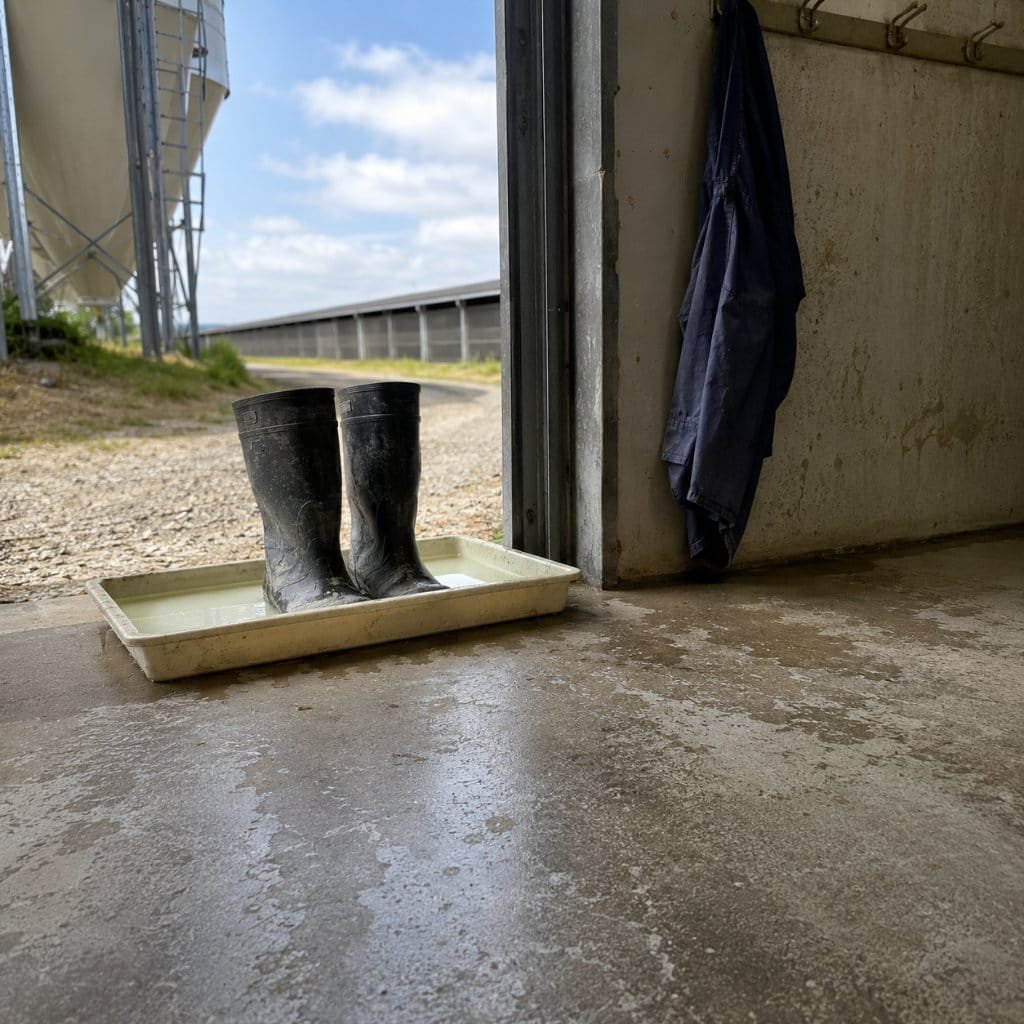
Most disease enters the house on people and the things they carry. A footbath with fresh disinfectant at the door stops much of it at the threshold. Limiting who enters, and requiring clean boots, cuts the risk further. Additionally, tools that stay on the farm avoid importing infection from other flocks. Washing hands before handling birds is a simple yet powerful habit. Because visitors can carry pathogens from elsewhere, keeping them out during a cycle is wise. These small routines, repeated without fail, form a strong first line of defense. Discipline here protects everything else on the farm.
Hygiene extends beyond the door to the whole environment around the flock. Clean water lines deny bacteria a place to multiply and spread. Dry litter, meanwhile, limits the ammonia and dampness that weaken birds. Controlling rodents and wild birds closes a major route for disease. Additionally, storing feed in sealed containers keeps pests and contamination away. Because a healthy environment supports natural resistance, cleanliness is preventive in itself. For the housing side of hygiene, see our guide to the poultry house setup. Together, entry control and daily hygiene keep most threats outside the flock.
2.2 Cleaning Between Flocks
The gap between flocks is a golden chance to reset the house. After birds leave, the building is emptied, cleaned, and disinfected thoroughly. This removes the droppings, dust, and residue where pathogens survive. A rest period then lets any remaining agents die off before new chicks arrive. Because disease can carry over from one flock to the next, this break is vital. Skipping it invites the same problems to return cycle after cycle. Therefore, a full cleanout and rest is a standard part of good practice. The effort pays back through a cleaner, healthier start every time.
Effective cleaning follows a clear order to leave nothing behind. First, all litter, feed, and loose material are removed from the house. Next, surfaces are washed to lift dirt before disinfectant is applied. Because disinfectant works poorly on dirty surfaces, the washing step is essential. Meanwhile, equipment such as feeders and drinkers is cleaned separately and thoroughly. Allowing everything to dry and rest completes the reset before restocking. Additionally, sourcing chicks from a trusted hatchery avoids reintroducing infection at the start. A disciplined between-flock routine breaks disease cycles and protects the next batch.
3. Vaccination Programs for Poultry Diseases
Vaccination prepares the flock’s immune system to resist specific poultry diseases. It works alongside biosecurity rather than replacing it, adding a second layer of protection. A well-planned program targets the diseases common in your area and production system. Because vaccines must be given correctly to work, timing and handling matter greatly. A missed or spoiled vaccine leaves the flock exposed despite the effort. Therefore, following a proven schedule and handling doses with care is essential. The subsections below cover building a vaccination schedule and handling vaccines correctly. Local veterinary advice should always guide the specific program.
3.1 Building a Poultry Diseases Vaccination Schedule
A vaccination schedule lists which vaccines to give and when. It is built around the diseases that pose the greatest risk in your region. Common targets in broilers often include Newcastle disease and infectious bronchitis. Because young chicks are especially vulnerable, early vaccines protect the critical first weeks. Meanwhile, the exact timing depends on local conditions and veterinary guidance. Following the schedule consistently ensures each bird receives its protection on time. A written plan prevents missed doses in the busy rush of daily work. Therefore, a clear schedule turns good intentions into reliable coverage.
Local knowledge shapes every good vaccination plan. The diseases that threaten flocks vary by region, climate, and farming density. For this reason, a veterinarian or extension service is the best source for a tailored schedule. Additionally, keeping records of what was given, and when, prevents gaps and confusion. Because a schedule only works if it is followed, record-keeping is part of the plan. Meanwhile, watching the flock after vaccination confirms the birds respond well. A schedule adjusted to real local risk protects far better than a generic list. Trusted guidance keeps the program both practical and effective.
3.2 Handling Vaccines Correctly
A vaccine only protects if it is stored and given correctly. Most vaccines need constant refrigeration, since heat quickly destroys their potency. Breaking this cold chain, even briefly, can render a dose useless without any visible sign. Therefore, careful storage from purchase to administration is essential. Meanwhile, following the correct dose and method ensures each bird is properly covered. Whether given in water, by spray, or by injection, technique affects the result. Because a poorly handled vaccine offers false security, attention to detail matters. Correct handling turns the vaccine investment into real protection.
Administration technique deserves the same care as storage. When vaccines are given in drinking water, clean, chemical-free water protects the live vaccine. Additionally, ensuring every bird drinks within the right window means none are left unprotected. For spray or injection methods, correct equipment and calm handling improve coverage. Because stressed birds respond less well, gentle handling supports the vaccine’s effect. Meanwhile, using vaccines before their expiry date keeps them fully potent. Discarding leftover mixed vaccine rather than saving it avoids weak, contaminated doses. Careful technique ensures the whole flock gains the protection intended.
4. Common Poultry Diseases to Know
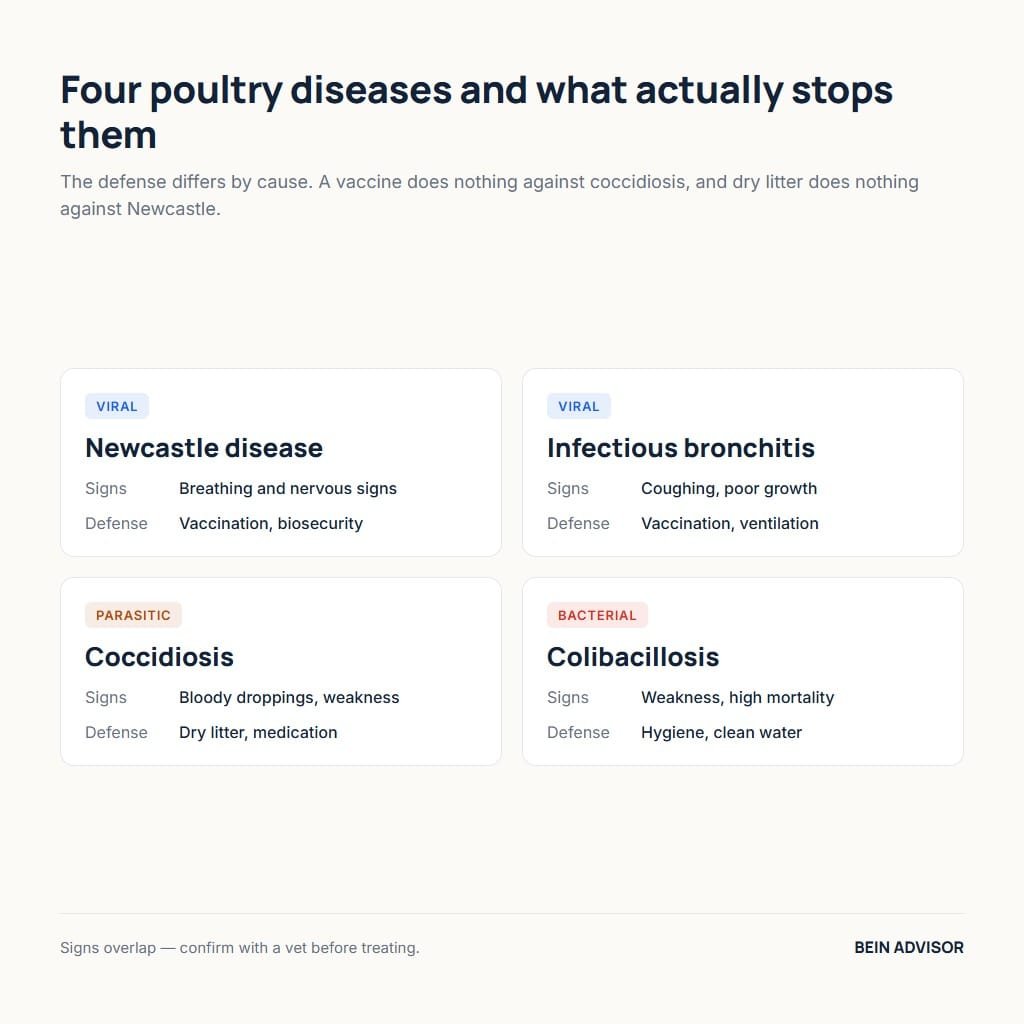
Knowing the common threats helps a farmer spot and respond to trouble early. Poultry diseases fall broadly into viral, bacterial, and parasitic groups. Each type spreads and behaves differently, so recognizing the signs speeds the right action. This awareness is not about self-treatment but about knowing when to act and call for help. Because early recognition limits spread, familiarity with the main diseases pays off. A veterinarian should always confirm a diagnosis and guide treatment. The subsections below outline common viral diseases and the bacterial and parasitic ones. The table summarizes a few key examples and their typical signs.
| Disease | Type | Common signs | Main defense |
|---|---|---|---|
| Newcastle disease | Viral | Breathing and nervous signs | Vaccination, biosecurity |
| Infectious bronchitis | Viral | Coughing, poor growth | Vaccination, ventilation |
| Coccidiosis | Parasitic | Bloody droppings, weakness | Dry litter, medication |
| Colibacillosis | Bacterial | Weakness, high mortality | Hygiene, clean water |
4.1 Common Viral Poultry Diseases
Viral diseases spread quickly and often cannot be treated directly. Newcastle disease and infectious bronchitis are two of the most familiar in broilers. They typically show through breathing difficulty, reduced growth, and sometimes nervous signs. Because viruses have no simple cure, prevention through vaccination is the main defense. Meanwhile, strong biosecurity limits how far a virus can spread if it appears. Early isolation of affected birds slows transmission through the flock. As a result, viral threats reward the farmer who prepares rather than reacts. Vaccination and biosecurity together form the core defense against these diseases.
Recognizing viral disease early gives the flock its best chance. Sudden drops in feed or water intake often signal a problem before other signs appear. Additionally, a rise in deaths or unusual breathing sounds warrants immediate attention. Because viruses move fast, hours can matter in limiting the damage. Contacting a veterinarian at the first sign guides the correct response. Meanwhile, tightening biosecurity during any scare prevents spread to nearby flocks. Because vaccination reduces both the chance and severity of infection, it remains the foundation. Prepared farmers face viral threats with a plan rather than panic.
4.2 Bacterial and Parasitic Poultry Diseases
Bacterial and parasitic diseases often link closely to management and hygiene. Coccidiosis, a common parasitic disease, thrives in damp, dirty litter. It shows through weakness, poor growth, and sometimes bloody droppings. Bacterial problems such as colibacillosis frequently follow stress or poor conditions. Because these diseases respond to environment, clean, dry housing is a powerful defense. Meanwhile, some can be treated when caught early under veterinary guidance. Good litter management and clean water prevent many of these problems outright. As a result, daily hygiene does much of the work of keeping them away.
Prevention of these diseases overlaps heavily with good routine care. Keeping litter dry denies coccidia the moist conditions they need. Clean drinkers and fresh water limit the bacteria that cause gut and systemic illness. Additionally, avoiding overcrowding reduces the stress that opens the door to infection. Because these diseases thrive on poor conditions, tidy management is preventive medicine. When treatment is needed, a veterinarian should confirm the cause and guide it. Meanwhile, prompt removal of sick birds limits spread to healthy ones. Sound daily habits keep most bacterial and parasitic threats in check.
5. Early Detection of Poultry Diseases
Catching disease early can mean the difference between a scare and a disaster. A farmer who observes the flock daily notices subtle changes before they become emergencies. Early signs are often quiet, so attentive observation is a skill worth building. Acting quickly limits spread and gives treatment, where possible, its best chance. Because disease moves fast, a delay of even a day can widen the losses. Therefore, daily observation and a clear response plan are core to flock health. The subsections below cover early warning signs and how to isolate and respond. Prompt action protects both the flock and the farmer’s income.
5.1 Early Warning Signs of Poultry Diseases
The earliest signs of disease are often changes in normal behavior. A drop in feed or water intake frequently appears before any visible symptom. Birds that seem dull, huddled, or reluctant to move may be unwell. Additionally, changes in droppings, breathing sounds, or a rise in deaths signal trouble. Because these clues are subtle, a farmer who knows the flock’s normal state spots them fastest. Daily walks through the house, observing quietly, build that familiarity. Meanwhile, keeping simple records of intake and mortality reveals trends early. Noticing these signs quickly is the first step to controlling any disease.
Consistent observation turns vague worry into useful information. Checking the flock at the same times each day makes changes easier to see. Watching how birds eat, drink, move, and rest reveals their overall health. Additionally, noting anything unusual in a simple log builds a picture over time. Because a single odd bird may be nothing, but a pattern is a warning, records matter. When several signs appear together, prompt action becomes urgent. Meanwhile, early contact with a veterinarian speeds an accurate diagnosis. Sharp, regular observation is the cheapest and most powerful health tool a farmer has.
5.2 Isolation and Response
Quick isolation of sick birds limits how far disease can spread. Removing affected birds from the flock reduces the chance of infecting healthy ones. A separate area for observation keeps suspect birds away from the main group. Because many diseases spread through close contact, this step buys valuable time. Meanwhile, contacting a veterinarian guides whether treatment or other action is needed. Handling sick birds last, after the healthy ones, avoids carrying infection back. As a result, a calm, ordered response contains a problem that panic would worsen. Fast isolation is often the single most effective response to early illness.
A planned response works far better than reacting in the moment. Deciding in advance what to do at the first sign of trouble saves precious time. This plan includes who to call, where to isolate birds, and how to tighten biosecurity. Additionally, keeping basic supplies on hand avoids delays when speed matters most. Because prompt disposal of dead birds prevents further spread, it belongs in the plan. Meanwhile, reviewing what happened after any scare improves future prevention. A veterinarian remains the right guide for diagnosis and treatment decisions. Preparation transforms a frightening event into a manageable one.
6. Reducing Chick Mortality in Week One
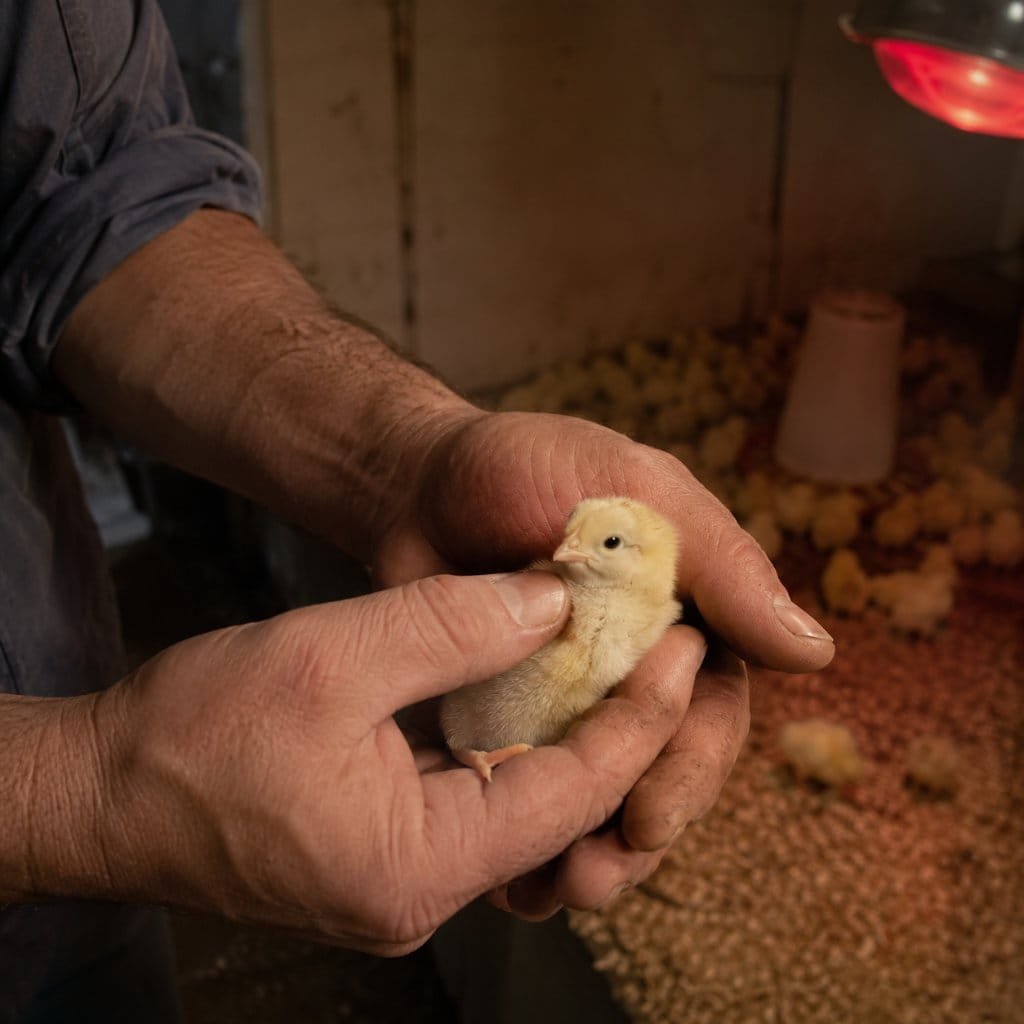
The first week accounts for a large share of total flock losses. Day-old chicks are fragile and depend entirely on the environment the farmer provides. Getting brooding, water, and early feed right prevents most early deaths. Because a weak start is hard to recover from, this period rewards close attention. Small efforts now protect both survival and the growth potential of the whole flock. Meanwhile, healthy early days build the resilience that resists later disease. The subsections below cover brooding and warmth, then early water and feed. Careful care in week one sets the tone for the entire cycle.
6.1 Brooding and Warmth
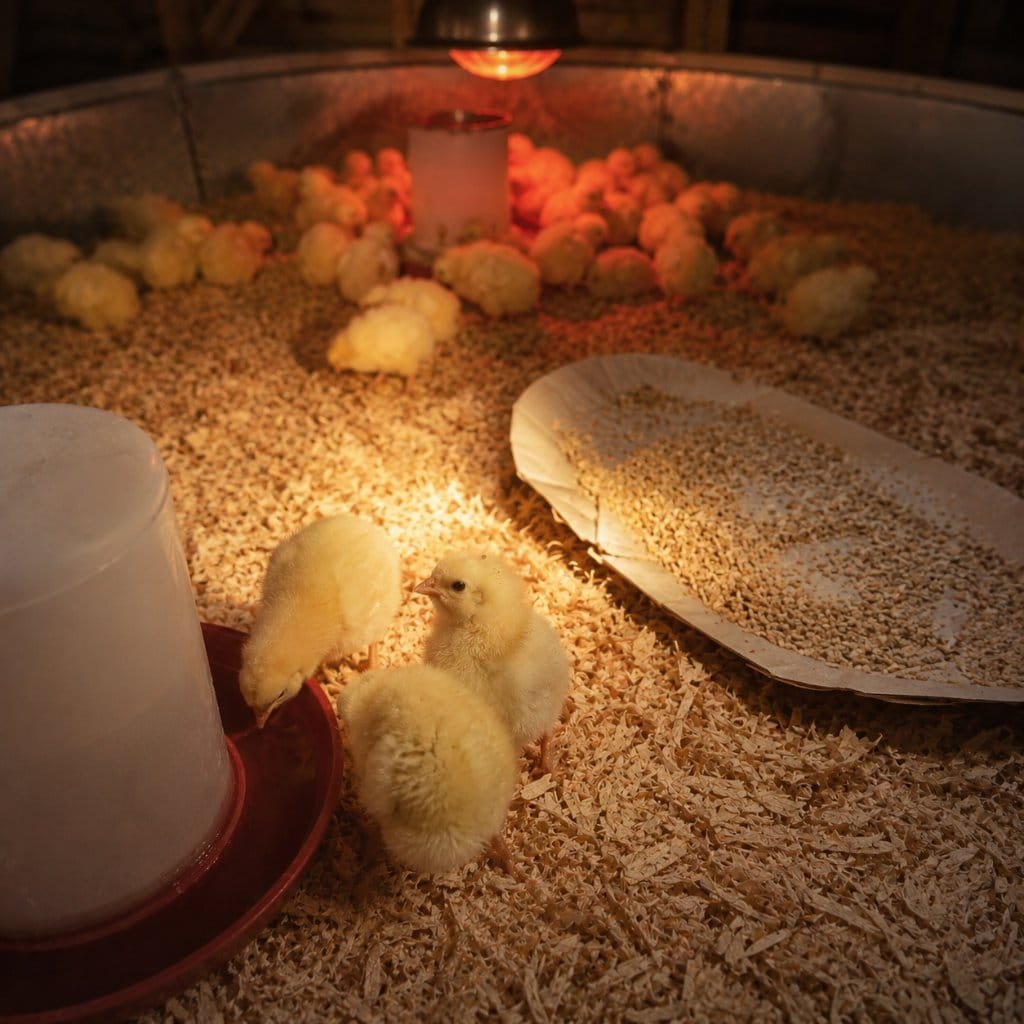
Chicks cannot regulate their own body heat in the first days of life. For this reason, a warm brooding area near thirty-three to thirty-five degrees is vital at placement. Cold chicks stop eating and quickly grow weak, which raises early mortality. Therefore, pre-heating the house before chicks arrive protects them from the first moment. Watching behavior confirms comfort, as huddled chicks are cold and scattered ones too hot. Evenly spread, active chicks show the temperature is right. Because warmth drives early appetite, it underpins a strong start. Careful brooding is the foundation of low first-week mortality.
Steady warmth must continue smoothly through the first week and beyond. As chicks grow and feather, the temperature is lowered gradually each week. Sudden swings chill the birds and undo the benefit of a warm start. Additionally, warm, dry litter protects chicks from losing heat through the floor. For the equipment behind reliable brooding, see our guide to the poultry house setup. Because comfort supports both appetite and immunity, warmth is preventive care. Meanwhile, avoiding drafts keeps the brooding area stable and safe. Consistent warmth in week one pays back through stronger, healthier birds.
6.2 Early Water and Feed
Getting chicks to drink and eat quickly is critical for survival. Clean, cool water should be available the moment chicks arrive in the house. Because chicks can dehydrate fast, easy access to water comes first. Feed placed on paper or trays nearby encourages early eating in the first days. Meanwhile, warm conditions and gentle light help chicks find both water and feed. As a result, a strong early intake builds the energy reserves that resist stress. Chicks that eat and drink well in the first days rarely fall behind. Early nutrition is a direct investment in low mortality.
Quality and cleanliness of early water and feed matter as much as access. Fresh water changed often keeps bacteria from building up in the drinkers. Additionally, a good starter feed supplies the nutrients chicks need for rapid early growth. For the feeding side of a strong start, our guide to broiler feed covers the phases. Because chicks are sensitive, clean equipment protects them from early infection. Meanwhile, checking that every chick reaches water and feed prevents weak stragglers. Gentle handling in these days reduces stress and supports healthy development. Attentive early care turns fragile chicks into a robust flock.
Poultry Diseases FAQ
What is a normal mortality rate?
Many well-managed broiler flocks aim for total mortality around five percent or less. A sudden spike above normal signals a problem worth investigating quickly. Because losses vary, tracking your own baseline is the most useful measure.
Are vaccines enough on their own?
No, vaccines work best alongside strong biosecurity and clean housing. Vaccination reduces specific risks, but hygiene and management prevent many other problems. Consequently, the two together give far better protection than either alone.
When should I call a veterinarian?
Call at the first sign of unusual deaths, breathing trouble, or a sharp drop in intake. Early professional advice guides an accurate diagnosis and the right response. Acting quickly often limits both spread and losses.
As an Amazon Associate, BeIN ADVISOR earns from qualifying purchases.
Build the Veterinary Wall — The Complete System
Prevention beats treatment, and The Broiler Blueprint gives you the full defence: layered biosecurity, a vaccination backbone with correct water technique, the seven-step cleanout and downtime routine, an early-warning signs table, a disease field reference, and how to read a post-mortem. Across 200 pages and 31 chapters you also get printable medication and withdrawal logs, and a symptom-to-solution troubleshooting guide.
Conclusion: Preventing Poultry Diseases for Profit
Preventing poultry diseases is one of the surest ways to protect a flock’s profit. Biosecurity, vaccination, and early detection work together to keep mortality low. When they align, more birds reach market and the cost spreads across a larger flock. Moreover, healthy birds grow faster and convert feed better, adding gains on top of survival. Treat health as a daily system, and the whole operation grows stronger.
The path to controlling poultry diseases is practical and repeatable for any farmer. Build strong routines, follow a sound vaccination plan, and watch the flock closely every day. As a result, fewer losses compound into a dependable margin across every cycle. Act early at the first sign of trouble, and small problems stay small. With steady attention to these six keys, a healthy flock becomes the foundation of a profitable farm.