
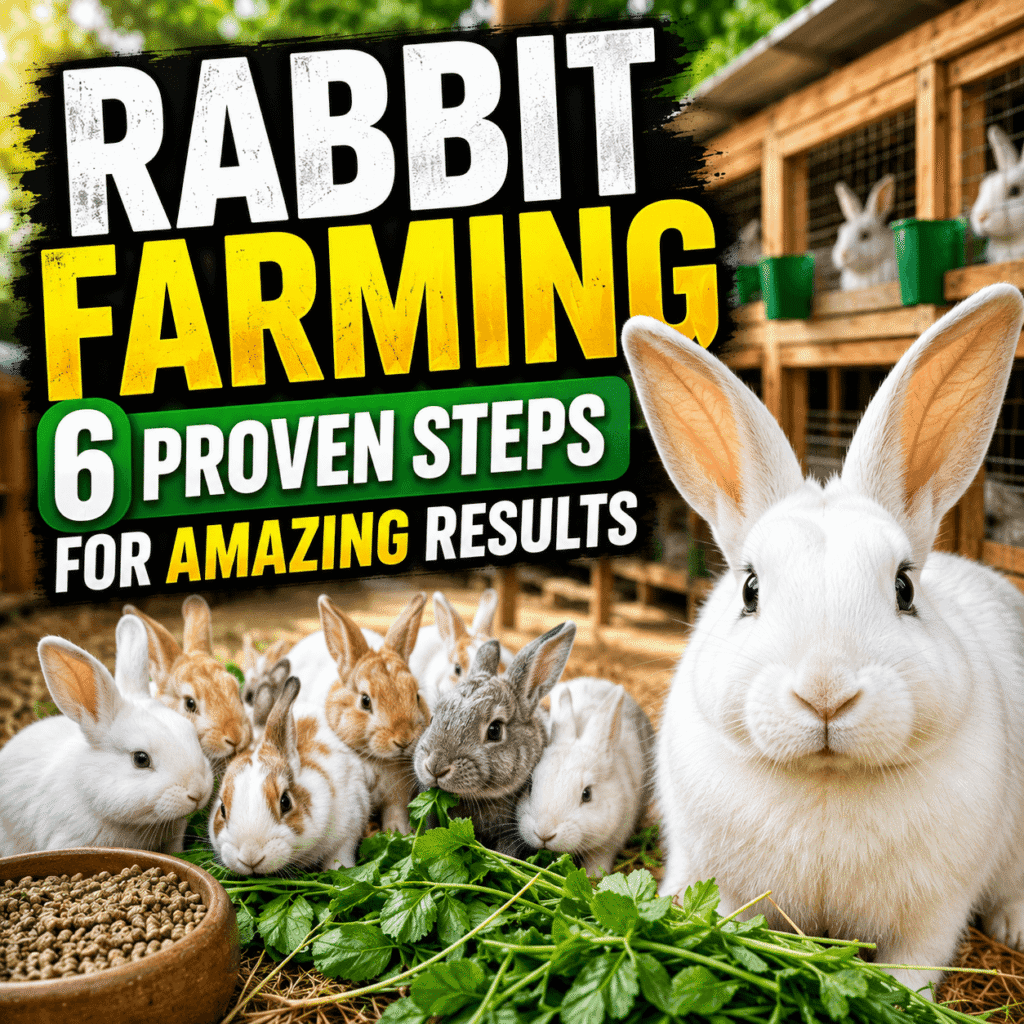
Rabbit farming offers one of the fastest paths to home-grown protein for families and small producers alike. Few livestock projects match rabbit farming for the speed at which a small herd turns feed into fresh meat. In fact, a single doe can produce dozens of kits each year, and those kits reach table weight in roughly two months. For anyone exploring self-sufficiency, a side income, or a sustainable food source, rabbits deliver results faster than almost any other animal.
This article walks through every stage of building a productive rabbit operation, from breed selection to daily care routines. Readers will learn which breeds grow fastest, how much space and equipment a rabbitry actually needs, and how to plan feeding schedules that keep costs low. Health management and common beginner mistakes are also covered in detail, so new farmers can avoid setbacks that often discourage first-time rabbit keepers. Additionally, the article explains how to track production so growth stays steady over time.
By the end, readers will have a clear, step-by-step framework for starting and growing a rabbit farming operation, whether on a balcony, in a backyard, or across a larger homestead. Practical tables compare breeds, feed requirements, and health risks side by side. The goal is a realistic, evidence-based starting point that turns curiosity into a working system within a few months.
1. Understanding Rabbit Farming for Meat Production
Rabbit farming has a long history as a practical source of lean, high-protein meat for households and small businesses. Unlike cattle or pigs, rabbits need minimal space, making rabbit farming accessible to people in urban backyards, suburban lots, and rural homesteads alike. A rabbit’s reproductive cycle is also remarkably fast, with does capable of multiple litters per year. As a result, even a small starting herd can scale into a steady meat supply within months. Furthermore, rabbit meat is naturally low in fat and cholesterol, which appeals to health-conscious consumers and adds market value for anyone selling surplus.
1.1 Why Rabbit Meat Is a Smart Protein Choice
Rabbit meat contains more protein per pound than chicken, beef, or pork, while carrying noticeably less fat. This nutritional profile makes it attractive to families seeking lean protein without sacrificing flavor. In addition, rabbits convert feed into meat more efficiently than most larger livestock, meaning less grain produces more usable protein. For small-scale producers, this efficiency translates directly into lower feed bills and a faster return on investment. Many cultures around the world already treat rabbit as a staple meat, particularly across parts of Europe, where it appears regularly in traditional dishes. Growing interest in sustainable proteins has only strengthened demand in newer markets, too.
Beyond nutrition, rabbit meat offers practical advantages for anyone managing a small property. Processing a rabbit requires far less equipment and space than processing larger animals, so even a modest kitchen setup can handle it safely. Meanwhile, the short growth cycle means a freezer can be restocked every couple of months rather than once a year. This steady rhythm suits families who want predictable meals without large slaughter events. For producers considering sales, rabbit meat’s mild flavor also pairs well with many cuisines, which broadens its appeal to restaurants, specialty butchers, and home cooks searching for something different.
1.2 Key Benefits of Small-Scale Rabbit Farming
Small-scale rabbit farming fits neatly into limited spaces where larger livestock simply cannot live. A dozen breeding rabbits can be housed in an area smaller than a single garden shed, yet still produce a meaningful amount of meat each year. Consequently, rabbit farming appeals strongly to renters, suburban homeowners, and anyone working with a restricted budget. Startup costs remain modest compared with poultry houses or livestock barns, since hutches and cages can often be built from affordable, readily available materials. Noise is minimal as well, which helps rabbit keepers avoid the neighbor complaints that sometimes follow chicken or goat projects.
Beyond space efficiency, rabbit farming builds valuable skills that transfer to other areas of homesteading and small business. Record-keeping, breeding management, and basic veterinary care all sharpen a producer’s ability to manage living systems responsibly. Therefore, many people use rabbits as an entry point before expanding into other animals, an approach also explored in 9 Proven Beekeeping Business Tips for Stunning Profit. Manure from rabbits also makes excellent garden fertilizer, adding a second benefit to households that grow vegetables. Selling breeding stock, pelts, or manure alongside meat can further diversify income from the same small footprint.
2. Best Rabbit Breeds for Successful Rabbit Farming
Choosing the right breed is one of the most important early decisions in rabbit farming. Some breeds grow quickly and convert feed efficiently, while others were developed mainly for show or fiber rather than meat. For meat-focused operations, growth rate, mature size, and mothering ability all matter more than coat color or appearance. Selecting a proven meat breed from the start saves time and feed costs, since slow-growing animals eat just as much without delivering comparable returns. The table below compares several breeds commonly used in rabbit farming, helping new producers match a breed to their goals and available space.
2.1 Top Meat Rabbit Breeds Compared
New Zealand White and Californian rabbits are the two breeds most commonly recommended for meat production, and for good reason. Both reach market weight in roughly eight to ten weeks, grow efficiently on standard pellets, and produce large litters with attentive mothering. Their white fur also appeals to buyers interested in pelts as a secondary product. In contrast, giant breeds such as the Flemish Giant grow much larger overall but take significantly longer to reach a comparable meat-to-bone ratio. For most beginners, the faster-maturing medium breeds offer a better balance between size, feed efficiency, and time to harvest.
The table below summarizes typical performance figures for popular meat breeds, drawing on data widely used by extension services and breeder associations, though individual results vary with feed quality and management. Average adult weight indicates the size of breeding stock, while growth rate to market weight shows how quickly kits become harvest-ready. Litter size reflects the average number of kits a healthy doe produces under good conditions. For example, a Californian doe often raises larger litters than a Flemish Giant, despite her smaller frame. Producers focused on meat yield per unit of feed generally find the New Zealand White and Californian breeds, or crosses between them, deliver the most consistent results.
| Breed | Avg. Adult Weight | Growth to Market Weight | Avg. Litter Size | Best For |
|---|---|---|---|---|
| New Zealand White | 9–12 lbs | 8–10 weeks | 7–10 kits | Beginners, fast meat production |
| Californian | 8–11 lbs | 8–10 weeks | 6–9 kits | Pelts plus meat |
| American Chinchilla | 9–12 lbs | 10–12 weeks | 6–8 kits | Hardy, dual-purpose herds |
| Flemish Giant (cross) | 13–22 lbs | 12–16 weeks | 5–8 kits | Larger carcasses, slower turnover |
2.2 How to Select Quality Breeding Stock
Strong breeding stock forms the foundation of any productive rabbit farming operation, so selection deserves careful attention. Healthy rabbits should have bright eyes, clean ears, dry noses, and dense, glossy fur free of bald patches or sores. Body condition matters too; breeding animals should feel firm and well-muscled rather than thin or overly fat. Furthermore, temperament plays a practical role, since calm rabbits are easier to handle and tend to make better mothers. Buying from a breeder who keeps clear records of litter sizes and growth rates gives new owners useful data before committing to a specific line.
When possible, new producers should ask to see the parents and, if available, a previous litter from the same doe. This history reveals mothering behavior, litter size trends, and growth consistency far better than appearance alone. Unrelated breeding pairs are essential to avoid inbreeding problems that can reduce litter size and vigor over time. Therefore, many small operations start with at least one unrelated buck and two or three does, allowing rotation without close relatives pairing up. Quarantining new arrivals for a short period before introducing them to an existing herd also helps prevent disease from entering the rabbitry.
3. Setting Up Your Rabbit Farming Operation
A well-planned setup makes daily chores faster and keeps rabbits healthier, which matters enormously for long-term rabbit farming success. Housing needs to balance protection from predators and weather with enough airflow to prevent heat stress and ammonia buildup. Similarly, the layout should make feeding, watering, and cleaning simple, since these tasks repeat every single day. Many new producers either overspend on elaborate housing or underspend on ventilation and predator-proofing, and both choices create problems later. The sections below outline practical housing and equipment choices that suit most climates and budgets without unnecessary complexity.
3.1 Hutch and Housing Requirements
Each adult rabbit generally needs about six square feet of floor space, with extra room for nesting boxes when does are raising litters. Wire-floored cages allow waste to drop through for easy cleaning, though resting mats or boards help prevent sore hocks on hard wire. Hutches should sit off the ground to deter predators and reduce dampness, while still allowing easy access for daily care. In addition, roofs need to provide shade and rain protection, since direct sun can cause heat stress surprisingly quickly. Good housing protects rabbits from wind, extreme heat, and predators such as dogs, raccoons, and birds of prey.
Ventilation deserves particular attention, because ammonia from urine builds up fast in enclosed spaces and can damage a rabbit’s respiratory system. Open-sided sheds with solid roofs often work better than fully enclosed buildings in moderate climates, since airflow stays constant without expensive fans. In colder regions, however, hutches may need wind blocks, deep bedding, and partial enclosures to keep rabbits comfortable during winter. Spacing cages with walkways between rows makes cleaning and health checks far easier as a herd grows. For broader housing principles that apply across species, including ventilation and predator-proofing, see 5 Big Toxic Horse Stable Design Mistakes.
3.2 Essential Equipment and Supplies
Beyond cages, a functional rabbitry needs reliable feeders, waterers, and nesting boxes for breeding does. Gravity-fed feeders reduce daily labor by holding several days’ worth of pellets, while sipper-style water bottles keep water cleaner than open bowls. Nesting boxes should be sized to the breed, providing enough room for a doe and her kits without excess space that lets heat escape in cold weather. For example, a medium-sized wooden or plastic box with a low entry lip works well for New Zealand or Californian does. Bedding such as straw or untreated wood shavings keeps nests warm and absorbs moisture effectively.
A few additional tools make rabbit farming considerably easier once the herd grows beyond a handful of animals. A small scale helps track kit weights weekly, which feeds directly into the record-keeping discussed later in this article. Wire cutters, spare J-clips, and replacement cage panels allow quick repairs without major delays. Additionally, a dedicated grooming brush and nail clippers keep breeding stock comfortable and reduce the risk of scratches during handling. Many producers also keep a basic first-aid kit stocked with antiseptic, electrolyte powder, and bandages, since minor injuries occasionally occur even in well-managed herds.
4. Feeding and Nutrition for Rabbit Farming Success
Feed represents the largest ongoing cost in rabbit farming, so getting nutrition right directly affects profitability. Commercial pellets formulated for rabbits provide a balanced foundation, typically containing sixteen to eighteen percent protein along with essential vitamins and minerals. However, pellets alone rarely make the most economical or healthiest diet for a working rabbitry. Hay, fresh greens, and occasional treats all play supporting roles that improve digestion and reduce boredom-related behaviors. The table below breaks down feeding needs across different life stages, since growing kits, pregnant does, and resting bucks all have different requirements.
4.1 Diet Requirements by Life Stage
Growing kits and lactating does need the highest protein levels, often at the upper end of the sixteen to eighteen percent range, since their bodies are building tissue or producing milk. In contrast, mature bucks and non-breeding does that are simply maintaining body condition do better on slightly lower protein to avoid excess weight gain. Unlimited access to hay supports healthy digestion at every life stage, with grass hays such as timothy generally preferred over rich alfalfa for adult rabbits. Alfalfa remains useful for young, growing kits, however, because its higher calcium and protein content supports rapid development during the first weeks of life.
Fresh water must be available at all times, since rabbits eating dry pellets and hay drink considerably more than many owners expect. Water bottles or bowls need daily checking, particularly in hot weather when consumption rises sharply and algae can build up quickly. Fresh greens such as leafy vegetables and herbs can supplement pellets, though they should be introduced gradually to avoid digestive upset. Overfeeding treats or sugary vegetables, meanwhile, can lead to obesity and reduced fertility in breeding stock. A consistent daily routine, with measured portions at the same times each day, helps keep the whole herd on track.
| Life Stage | Daily Feed (approx.) | Protein Target | Key Additions |
|---|---|---|---|
| Growing kits (weaning–12 wks) | Free-choice pellets | 18% | Alfalfa hay, fresh water |
| Pregnant/nursing does | 6–8 oz pellets + free hay | 17–18% | Extra greens, calcium-rich hay |
| Maintenance bucks/does | 4–6 oz pellets + free hay | 15–16% | Timothy hay, occasional treats |
| Senior/retired breeders | 3–5 oz pellets + free hay | 14–15% | Lower-calorie hay, monitored weight |
4.2 Managing Feed Costs and Sourcing
Feed costs can be reduced significantly through bulk purchasing, local sourcing, and careful storage that prevents spoilage and waste. Buying pellets in larger bags often lowers the price per pound substantially, provided storage stays dry and pest-free. Similarly, sourcing hay directly from local farms during harvest season usually costs far less than buying small bags from pet stores. Growing a portion of feed, such as certain leafy greens or fodder crops, can further cut expenses for producers with garden space. However, any homegrown feed should be introduced slowly and verified as rabbit-safe, since several common garden plants are toxic to rabbits.
Tracking feed consumption per rabbit also helps identify inefficiencies before they become expensive habits. For instance, a doe that eats considerably more than her littermates without producing larger litters may not be worth keeping in the breeding program. Spillage from poorly designed feeders wastes a surprising amount of pellets over time, so investing in quality feeders often pays for itself within months. Many experienced producers calculate a rough feed cost per pound of meat produced, which makes it easier to compare rabbit farming against other protein sources and decide whether to expand, hold steady, or scale back the operation.
5. Breeding and Production Management in Rabbit Farming
Consistent breeding schedules turn rabbit farming from a hobby into a predictable source of meat throughout the year. Female rabbits, called does, can become pregnant almost immediately after giving birth, though most producers wait several weeks before rebreeding to protect the doe’s health. Gestation lasts about a month, which is short compared with almost any other common livestock species. As a result, careful planning allows a small number of does to produce a steady stream of litters spaced a few weeks apart. This section covers scheduling, record-keeping, and how to track growth so production stays predictable and sustainable.
5.1 Breeding Schedules and Litter Management
Gestation in rabbits typically lasts between twenty-eight and thirty-five days, with thirty-one days a common average across most meat breeds. A nesting box should be placed in the doe’s cage roughly a week before the due date, filled with clean bedding for her to arrange. Most does give birth, or kindle, at night or early morning, often without any visible difficulty. Therefore, daily checks around the expected date help producers confirm a successful kindling and remove any kits that did not survive. Litter sizes commonly range from six to ten kits for productive meat breeds, though first litters from young does tend to run smaller.
Rebreeding schedules vary depending on how intensively a producer wants to manage the herd. Some rebreed does six to eight weeks after kindling, which allows roughly four to six litters per year from each doe. Others wait longer, prioritizing the doe’s body condition and longevity over maximum litter count. In contrast to intensive schedules, a more relaxed rotation reduces stress on does and may extend their productive years considerably. Whichever approach is chosen, keeping does on a written or digital calendar prevents accidental overlaps and makes it easier to plan cage space, feed orders, and processing dates well in advance.
5.2 Tracking Growth and Productivity
Weekly weight checks reveal whether kits are growing at the expected rate for their breed, which is one of the most useful indicators of overall herd health. A simple kitchen or luggage scale works well for this purpose, with weights recorded against each litter’s birth date. Kits that consistently lag behind littermates may signal a health issue, inadequate milk supply, or competition for nursing space. Consequently, tracking these numbers early allows producers to intervene, whether by supplementing feed, separating a struggling kit, or adjusting the doe’s diet before problems escalate.
Beyond individual kits, herd-level records help producers evaluate which does and bucks consistently produce the strongest litters over time. Simple spreadsheets or even a notebook can track litter size, weaning weight, and time to market weight for each breeding pair. Over several generations, this data highlights which lines are worth expanding and which underperform despite similar feed and housing. Moreover, accurate records make it far easier to plan processing dates, estimate future meat yields, and decide when to retire older breeding stock. In rabbit farming, small data habits compound into significant improvements in efficiency within just a year or two.
6. Health Management and Common Rabbit Farming Mistakes
Healthy rabbits require relatively little veterinary intervention, but prevention remains far easier and cheaper than treating illness after it spreads through a herd. Good ventilation, clean cages, fresh water, and a stable diet prevent the majority of common health problems in rabbit farming. Stress from overcrowding, sudden diet changes, or extreme temperatures often triggers the digestive and respiratory issues that affect rabbits most. Therefore, daily observation matters just as much as any single piece of equipment, since early signs of illness are usually subtle. This section covers common diseases, prevention strategies, and the mistakes that most often derail new operations.
6.1 Preventing Common Rabbit Diseases
Respiratory infections, often grouped under the term snuffles, rank among the most common health issues in rabbit farming, particularly in poorly ventilated housing. Symptoms include sneezing, nasal discharge, and labored breathing, and affected rabbits should be isolated immediately to prevent spread through the herd. Digestive problems, including bloat and diarrhea, frequently result from sudden diet changes or contaminated feed and water. Consequently, any new feed type should be introduced gradually over a week or more. Ear mites and fur mites also appear occasionally, recognizable through scratching, head shaking, or crusty patches around the ears. According to Penn State Extension’s rabbit production guidance, sound daily management prevents most of these issues before they start.
Prevention strategies focus on consistency rather than complex treatments. Disinfecting cages and equipment between litters reduces the buildup of bacteria and parasites considerably. New rabbits brought into an existing herd should be quarantined for two to three weeks, since this isolation period catches most contagious illnesses before they spread. Similarly, limiting visitor access to the rabbitry reduces the risk of introducing disease from outside animals or contaminated clothing and footwear. As the University of Maine Cooperative Extension’s guide to backyard meat rabbits notes, sound management practices prevent or treat the large majority of issues without relying on routine antibiotics.
| Issue | Common Signs | Prevention |
|---|---|---|
| Respiratory infection (snuffles) | Sneezing, nasal discharge | Good ventilation, isolate sick rabbits |
| Digestive upset/bloat | Diarrhea, reduced appetite | Gradual diet changes, clean water |
| Ear/fur mites | Scratching, crusty ears | Regular inspection, clean bedding |
| Sore hocks | Raw patches on feet | Resting mats on wire floors |
6.2 Common Pitfalls New Rabbit Farmers Should Avoid
Overcrowding ranks among the most frequent mistakes in early rabbit farming projects, often driven by enthusiasm about rapid breeding. Housing too many rabbits in too little space increases stress, aggression, and disease risk all at once. Another common error involves pairing related animals without realizing it, which gradually reduces litter sizes and vigor across generations. New producers sometimes underestimate feed costs as well, budgeting only for pellets while forgetting hay, bedding, and equipment replacement. As a result, the operation can feel more expensive than expected during the first few months, even though costs typically stabilize once routines are established.
Inconsistent record-keeping causes problems that compound over time, making it difficult to know which breeding pairs perform well or when does are due to kindle. Skipping quarantine for new animals is another costly shortcut, since a single sick rabbit can affect an entire herd within days. Emotional attachment to specific animals sometimes complicates decisions about culling underperforming stock, which can slow progress toward production goals. Ultimately, many beginners delay processing the first batch longer than planned, which increases feed costs without improving meat quality. Addressing these pitfalls early helps rabbit farming stay both humane and financially sustainable.
Conclusion: Rabbit Farming — Building a Sustainable Meat Supply
Rabbit farming offers a realistic path to home-grown meat for almost any household willing to commit to consistent daily care. From selecting fast-growing breeds like the New Zealand White or Californian to setting up well-ventilated housing, every step in this article builds toward a system that produces meat reliably every few weeks. Feeding, breeding schedules, and record-keeping all work together, and none of them require advanced equipment or large amounts of space.
For readers ready to begin, starting small with one buck and two or three does offers a manageable introduction to rabbit farming without overwhelming time or budget. As confidence grows, so can the herd, the record-keeping systems, and even opportunities to sell surplus meat, breeding stock, or manure locally. Local agricultural extension offices and established breeders also provide valuable support for newcomers navigating their first season. With attentive management and the practical steps outlined here, rabbit farming can become a dependable, rewarding part of a self-sufficient lifestyle for years to come.