
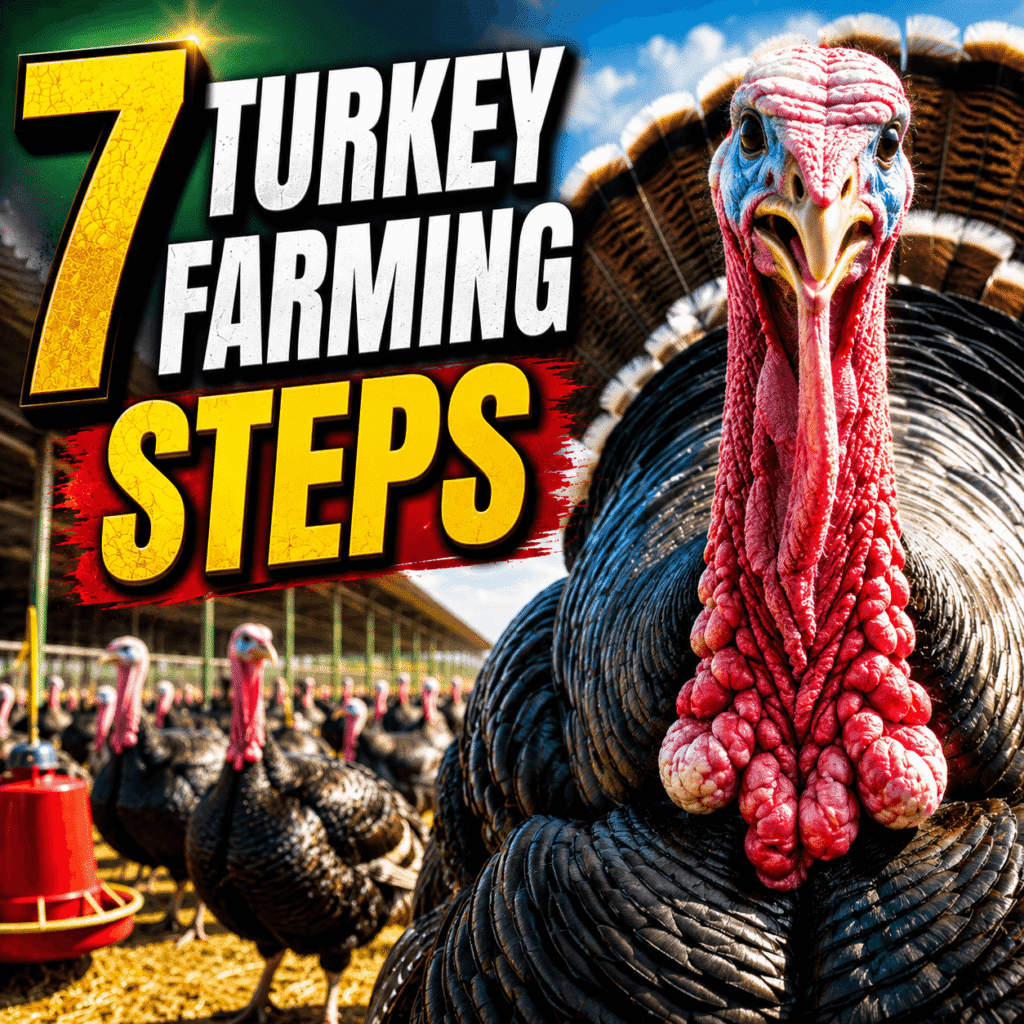
Turkey farming is one of the most rewarding poultry ventures for anyone seeking strong seasonal income. A single flock raised for the holiday market can deliver impressive returns from a modest plot of land. Turkeys grow large quickly, convert feed efficiently, and command premium prices when demand peaks around festive seasons. For small farmers and homesteaders alike, the bird offers a clear path to profit that few other livestock can match in such a short window.
The appeal of turkey farming goes beyond the festive table. These birds are hardy, adaptable, and surprisingly easy to manage once you understand their needs. A well-run operation times its flock so that birds reach market weight exactly when buyers are ready to pay top prices. Moreover, turkeys produce more meat per bird than chickens, which spreads your labor across fewer animals. As a result, even a small backyard flock can become a genuine source of seasonal earnings.
This article lays out seven reliable steps for building a profitable operation from the ground up. You will learn how to choose breeds, design housing, feed for fast growth, prevent disease, and time the fattening phase for holiday demand. Each step draws on proven practice, so beginners can start small and scale with confidence. By the end, you will have a clear plan to turn a flock of poults into a thriving festive-season business.
1. Understanding Turkey Farming and Its Profit Potential
Turkey farming succeeds because it pairs a fast-growing bird with a reliable, high-value market. Unlike many livestock ventures that spread costs across a whole year, turkeys concentrate their value around holiday seasons. A poult bought in spring can reach a heavy market weight within a few months. Therefore, the cash cycle is short and the return arrives when prices are highest. Understanding this rhythm is the foundation of every profitable flock. Once a farmer grasps how growth rate, feed cost, and seasonal demand interact, the business side becomes far easier to plan and control.
1.1 What Makes Turkey Farming Profitable
Profit in turkey farming rests on three pillars: fast growth, efficient feed use, and premium pricing. A broad-breasted bird can gain more than twenty pounds in roughly four to five months. That speed means your capital is tied up for only part of the year. Additionally, turkeys convert feed into meat efficiently, so each dollar of feed buys substantial weight. Because festive buyers expect quality, a well-finished bird sells for a strong price per pound. Together, these factors create margins that few other backyard animals can rival.
The economics become clearer with a simple example. Suppose you raise twenty-five birds for the holiday market. Each bird might consume feed costing fifteen to twenty-five dollars over its life. Meanwhile, a finished turkey can sell for fifty dollars or more direct to consumers. As a result, the gross margin per bird often exceeds the total feed bill several times over. Of course, housing, poults, and labor add to the cost. Even so, a tightly managed flock turns a small space into a meaningful seasonal income with relatively low risk.
1.2 Turkey Farming for the Holiday Season
The holiday season is the engine that drives most turkey farming profit. Demand spikes sharply around major festive dates, when families seek a centerpiece bird. Smart farmers work backward from those dates to schedule everything else. For example, a bird needing sixteen weeks to finish must hatch or arrive roughly four months earlier. This reverse planning ensures the flock peaks exactly when buyers are ready. Consequently, timing becomes as important as feeding or housing in the whole operation.
Selling into a seasonal peak also lifts the price you can charge. Fresh, locally raised turkeys carry a premium over frozen supermarket birds. Many customers will reserve and prepay weeks in advance, which improves your cash flow. Furthermore, repeat buyers often return year after year, building a dependable base. To capture this value, you must commit to the holiday calendar early and plan your hatching dates with care. In short, aligning the flock with festive demand transforms an ordinary poultry project into a focused, profitable enterprise.
2. Best Turkey Breeds for Turkey Farming
Choosing the right breed shapes the speed, cost, and market position of your flock. Turkey farming offers two broad paths: fast commercial hybrids and slower heritage breeds. Commercial birds reach heavy weights quickly and suit growers chasing volume and efficiency. Heritage breeds grow more slowly but command premium prices for flavor and traditional appeal. Your climate, market, and management style all influence which path fits best. The subsections below compare both options so you can match the bird to your goals and customers.
2.1 Broad-Breasted Commercial Breeds
The Broad-Breasted White is the workhorse of commercial turkey farming worldwide. It grows astonishingly fast, reaching market weight in roughly four to five months. Toms can exceed thirty pounds, while hens finish lighter and suit smaller households. Because the breed converts feed so efficiently, it delivers the lowest cost per pound of meat. For farmers focused on volume and tight margins, this bird is the obvious choice. Its pale pin feathers also dress out cleanly, which buyers and processors appreciate.
The Broad-Breasted Bronze offers similar speed with a more traditional look. Its darker plumage gives the dressed bird a rustic appeal that some markets prize. However, both broad-breasted lines share an important trait: they cannot reproduce naturally and rely on purchased poults. As a result, you buy new stock each season rather than breeding your own. That dependence raises the per-bird cost slightly, yet the rapid growth usually offsets it. For most beginners aiming at the holiday market, a broad-breasted breed remains the simplest, most reliable starting point.
2.2 Heritage Turkey Breeds
Heritage breeds appeal to farmers serving premium, flavor-focused markets. Birds such as the Bourbon Red, Narragansett, and Standard Bronze grow more slowly and naturally. They take six to seven months to finish, which raises feed costs per bird. In return, they offer richer, more complex meat that discerning customers will pay extra for. Additionally, heritage turkeys can breed on their own, so you can hatch your own poults. This self-sufficiency lowers long-term costs and lets you build a closed, sustainable flock.
The trade-off is patience and a different sales strategy. Because heritage birds cost more to raise, you must charge accordingly and educate buyers on the difference. Many customers gladly pay a premium for old-fashioned flavor and ethical, slow-grown meat. Heritage breeds also forage well, which can trim feed bills on pasture-based systems. For a farmer targeting farmers markets or specialty restaurants, these birds open a profitable niche. Overall, heritage turkey farming suits those who value quality and storytelling over sheer volume.
3. Housing and Equipment for Turkey Farming
Good housing protects your investment and keeps birds growing steadily. Turkey farming demands shelter that blocks wind, rain, and predators while allowing fresh air. Turkeys are larger than chickens, so they need more space to thrive. Crowding raises stress, spreads disease, and slows weight gain, which eats directly into profit. A simple, well-ventilated shelter with secure fencing meets most of these needs affordably. The subsections below cover the housing standards and the core equipment every flock requires from day one.
3.1 Housing Requirements for Turkey Farming
Space is the first rule of healthy turkey farming. Growing birds need roughly six to eight square feet each inside the shelter. Outdoor range, where available, lets them forage and exercise, which improves health and meat quality. Good ventilation is equally vital, because damp, stale air breeds respiratory disease. Therefore, design the shelter with openings that move air without creating cold drafts. A dry, deep litter floor of wood shavings keeps birds clean and comfortable through the growing period.
Predator protection cannot be an afterthought in any flock. Turkeys attract foxes, dogs, raccoons, and birds of prey, especially when young. Strong fencing and a lockable, covered shelter at night prevent most losses. Additionally, roosting bars give the birds a natural place to rest off the ground. Heritage breeds in particular love to perch and range widely during the day. By combining secure housing with room to move, you keep the flock calm, healthy, and growing toward a profitable finish.
3.2 Essential Equipment and Brooding Space
Young poults need a warm, controlled brooder for their first weeks. A heat lamp or brooder plate keeps them at around ninety-five degrees Fahrenheit at the start. You then lower the temperature gradually as feathers develop and the birds harden off. Clean feeders and waterers sized for poults prevent spillage and contamination. Because young turkeys can be slow to find food, shallow trays and bright light help them start eating. This careful early stage sets the pace for the entire growth cycle.
As birds grow, your equipment must scale with them. Larger hanging feeders and sturdy waterers reduce waste and keep feed clean. Fresh, clean water at all times is non-negotiable, since turkeys drink heavily during fast growth. Additionally, a few simple tools make daily chores easier: a wheelbarrow, a rake, and storage bins for feed. Keeping feed dry and rodent-free protects both your costs and the birds’ health. With the right gear in place, the daily routine of turkey farming stays quick, clean, and efficient.
4. Feeding and Nutrition for Fast, Healthy Growth
Feed is the largest cost in raising turkeys, so smart nutrition drives your profit. Turkeys need more protein than chickens, especially in their early weeks. A staged feeding program matches the changing needs of the bird as it grows. Starter feed builds the frame, grower feed adds muscle, and finisher feed lays down weight. Getting these stages right produces a heavy, well-finished bird at the lowest possible cost. The subsections below explain the feed stages and how to push efficient weight gain before market day.
4.1 Starter, Grower, and Finisher Feeds
A turkey’s diet changes dramatically as it matures. Starter feed, given for the first six to eight weeks, carries the highest protein at around 28%. This rich diet fuels rapid bone and feather development in the young poult. Next, grower feed drops to roughly 20 to 22% protein as the frame fills out. The shift prevents waste, since older birds no longer need such concentrated nutrition. Matching feed to age keeps growth on track and avoids spending on protein the bird cannot use.
The finisher stage prepares the bird for market and final weight. Finisher feed lowers protein further, often near 16 to 18%, while supplying ample energy. This energy-rich diet encourages the bird to lay down meat and a clean finish. Many farmers also offer grains or kitchen scraps to enrich flavor during these last weeks. Clean water must always accompany every feed stage, because dehydration stalls growth fast. By moving birds through these stages on schedule, you reach a heavy, profitable turkey on time and on budget.
4.2 Feeding for Fast, Efficient Weight Gain
Efficient weight gain is where careful feeding pays off most. Free-choice feeding, where birds eat as much as they want, maximizes growth speed. However, you must balance that against feed cost and the risk of leg problems in heavy birds. Spreading feed across the day keeps consumption steady and reduces waste. For example, refilling feeders morning and evening encourages calm, consistent eating. Watching the flock’s appetite also flags health issues early, since a bird off its feed is often a sick bird.
Supplements and forage can stretch your feed budget further. Access to pasture lets turkeys eat grass, insects, and seeds at no cost. Additionally, clean grit helps them digest whole grains and fibrous greens. Some farmers add probiotics or vitamins to support gut health during fast growth. These small measures improve feed conversion and lower the total cost per bird. In practice, blending quality commercial feed with natural foraging gives the best mix of speed, health, and economy in turkey farming.
5. Health Management in Turkey Farming
Healthy birds are profitable birds, so disease prevention sits at the center of turkey farming. Sick turkeys grow slowly, eat without gaining, and can wipe out a flock quickly. Prevention costs far less than treatment, both in money and in lost birds. A clean environment, good nutrition, and basic biosecurity stop most problems before they start. Spotting illness early also limits its spread through the flock. The subsections below outline the common diseases to watch for and the simple habits that keep birds thriving.
5.1 Common Diseases in Turkey Farming
Several illnesses commonly affect turkeys, and recognizing them early matters. Blackhead disease is among the most serious, attacking the liver and often proving fatal. It spreads through soil and worms, so keeping turkeys off chicken-used ground helps prevent it. Respiratory infections also strike birds kept in damp, poorly ventilated shelters. Coccidiosis, a gut parasite, hits young poults hardest and causes weakness and poor growth. Knowing these threats lets you act fast and protect the flock before losses mount.
Early signs of illness are usually visible to an attentive farmer. A sick turkey often appears listless, ruffled, or separated from the flock. Reduced appetite, droopy wings, and loose droppings all signal trouble. As a result, a daily walk through the flock is one of your most valuable habits. When you spot a sick bird, isolate it at once and consult resources such as the University of Minnesota Extension turkey guide. Quick action and good record-keeping keep small problems from becoming costly outbreaks.
5.2 Biosecurity and Prevention
Biosecurity is the cheapest insurance in poultry production. Simple steps keep most diseases off your farm entirely. Limit visitors to the flock and keep wild birds away from feed and water. Furthermore, quarantine any new birds for two weeks before mixing them with your flock. Clean tools, boots, and feeders regularly to break the chain of infection. These small routines cost little yet prevent the kind of outbreak that can ruin a season.
Prevention also means managing the ground your birds live on. Rotating range areas stops parasites from building up in the soil. Keeping turkeys separate from chickens reduces the risk of blackhead disease significantly. Additionally, dry bedding and clean water deny pathogens the damp conditions they love. A vaccination plan, where appropriate, adds another layer of protection for larger flocks. By combining clean ground, good hygiene, and watchful care, you build a resilient operation that protects every bird and every dollar.
6. Fattening Turkeys for the Holiday Market
The fattening phase is where a good bird becomes a great, profitable one. In the final weeks, the goal is to add weight and a clean finish. This stage demands rich feed, calm conditions, and careful timing toward the holiday date. Done well, it produces a heavy, attractive bird that sells at a premium. Done poorly, birds arrive underweight or too late for peak demand. The subsections below explain how to manage the fattening period and time it precisely for festive buyers.
6.1 The Fattening Phase in Turkey Farming
Fattening is the reward stage of turkey farming, but it rewards discipline. During the last three to four weeks, birds receive energy-rich finisher feed. This diet encourages them to lay down meat and develop a full, rounded shape. Keeping the flock calm matters just as much, since stress burns energy and slows gain. Therefore, minimize disturbances and avoid moving birds unnecessarily near market time. A quiet, well-fed flock converts those final weeks into valuable extra pounds.
Supplementary feeding can lift quality in these closing weeks. Many farmers add corn or other grains to boost energy and improve flavor. Clean water remains essential, because hydration supports both appetite and growth. You should also watch the birds’ legs, since very heavy turkeys can struggle to walk. Slowing growth slightly is wiser than risking lame, unsellable birds. By balancing rich feed with welfare, you finish strong birds that command top prices when the holiday arrives.
6.2 Timing Turkeys for Holiday Demand
Timing turns good birds into top earnings, so plan the calendar with care. Work backward from the holiday date to set your hatching or purchase day. A broad-breasted bird needs roughly sixteen to twenty weeks to reach market weight. Heritage breeds need longer, often twenty-four to twenty-eight weeks. As a result, your start date depends entirely on the breed and target weight. Mapping this schedule early prevents the costly mistake of birds finishing too soon or too late.
A staggered approach can widen your selling window profitably. Starting two small batches a week or two apart spreads out the finishing dates. This tactic lets you serve early buyers and last-minute customers alike. Additionally, it reduces the pressure of processing every bird on a single day. Taking advance orders helps you match flock size to real demand and avoid waste. With sharp timing and a little planning, you sell every bird at peak value during the festive rush.
7. Marketing and Maximizing Turkey Farming Profits
Raising a great bird is only half the business; selling it well captures the profit. Turkey farming rewards farmers who plan their marketing as carefully as their feeding. Direct sales to consumers earn far more than wholesale to a processor. Building a customer base, taking orders early, and presenting a clean product all lift your returns. Processing the bird properly protects both quality and your reputation. The subsections below cover dressing your turkeys and selling them direct for the strongest possible margin.
7.1 Processing and Dressing Your Turkeys
Clean, careful processing turns a live bird into a market-ready product. Many small farmers process on-farm, while others use a licensed facility for legal sale. Either way, hygiene and proper chilling are essential for safety and quality. Withholding feed for several hours before processing keeps the bird cleaner inside. Afterward, rapid cooling preserves freshness and meets food-safety expectations. A well-dressed, properly chilled turkey signals quality and justifies the premium price you charge.
Regulations around poultry processing vary widely by region, so check local rules early. Some areas allow on-farm slaughter for direct sale under exemptions, while others require inspection. Understanding these requirements before the season prevents legal headaches at the worst moment. Additionally, good packaging and clear labeling enhance the customer’s perception of value. Presentation matters when a buyer is paying a premium for a festive centerpiece. By treating processing as part of the product, you protect both your brand and your earnings.
7.2 Selling Direct for Maximum Profit
Direct selling is where turkey farming profit truly peaks. Selling straight to families cuts out the middleman and keeps the full retail price. Farmers markets, farm-gate sales, and social media all connect you with eager buyers. Taking deposits on advance orders secures your sales and improves cash flow. Moreover, a personal relationship builds loyalty that brings customers back every year. A satisfied buyer often becomes your best advertisement through word of mouth.
Smart pricing and storytelling raise the value of every bird. Emphasize what makes your turkeys special, whether pasture-raised, heritage, or locally grown. Customers happily pay more for a bird with a story and a face behind it. Turkey farming also pairs naturally with other homestead ventures, such as proven rabbit farming and dairy goat keeping, which broaden your product range. Some farmers even add an aquaponics system for fresh produce. Together, these enterprises build a diverse, resilient farm income.
| Breed | Time to Finish | Mature Tom Weight | Reproduces Naturally | Best For |
|---|---|---|---|---|
| Broad-Breasted White | 16–20 weeks | 30+ lbs | No | Volume, lowest cost per pound |
| Broad-Breasted Bronze | 16–20 weeks | 28–35 lbs | No | Traditional look, fast growth |
| Bourbon Red (heritage) | 24–28 weeks | 20–23 lbs | Yes | Premium flavor markets |
| Narragansett (heritage) | 24–28 weeks | 20–22 lbs | Yes | Foraging, self-sustaining flocks |
| Feed Stage | Bird Age | Protein Level | Purpose |
|---|---|---|---|
| Starter | 0–8 weeks | ~28% | Bone and feather development |
| Grower | 8–14 weeks | 20–22% | Muscle and frame growth |
| Finisher | 14 weeks to market | 16–18% | Weight gain and clean finish |
Conclusion: Turkey Farming — Building a Profitable Holiday Business
Turkey farming offers a clear, achievable path to strong seasonal income from a small space. The seven steps in this article move you from understanding the market through breeds, housing, feeding, health, fattening, and sales. Each step builds on the last, so a careful beginner can raise a profitable flock on the first attempt. Above all, success comes from matching fast, healthy growth to the festive demand that pays the best prices. With planning and steady care, even a modest backyard flock becomes a reliable earner.
The best time to begin planning is well before the holiday season arrives. Choose your breed, map your calendar backward from the festive date, and line up your buyers early. Start with a manageable flock, keep careful records, and refine your approach each year. Turkey farming rewards those who combine good husbandry with smart timing and direct marketing. Your journey toward a thriving festive-season business starts with a single batch of poults and a solid plan, so take that first step today.