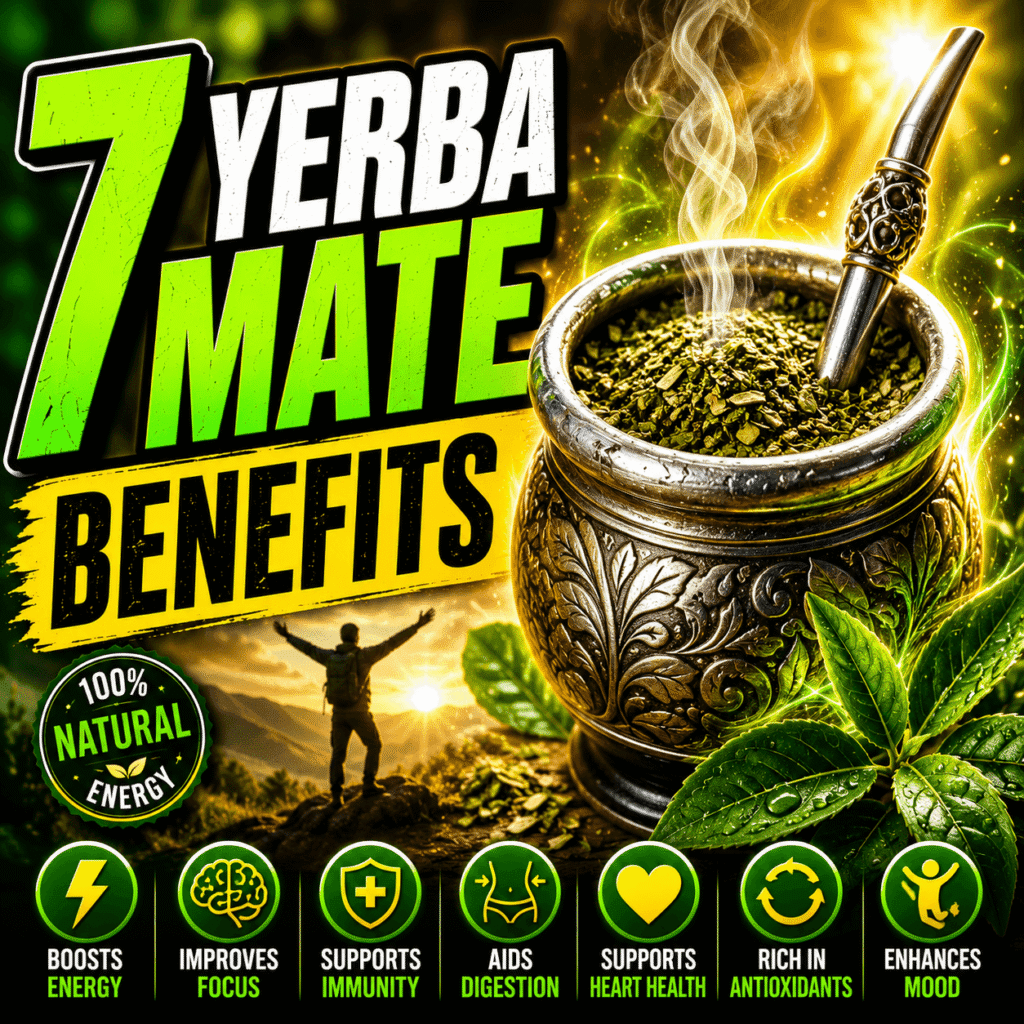
Yerba mate is the energising South American drink that fans call the perfect middle ground between coffee and tea. This article explains what yerba mate is, its real benefits, and how to brew it properly. You will learn why so many people across Argentina, Uruguay, and Brazil drink it daily. We cover the nutrition, the traditional gourd-and-bombilla method, and modern variations. By the end, you can prepare a smooth, balanced cup with real confidence.
Made from the leaves of a holly tree, the drink delivers caffeine with a gentler feel. Many people find it gives steady focus without the jitters of strong coffee. It is also rich in antioxidants and a range of helpful plant compounds. The flavour is earthy and grassy, and it grows on you quickly. Like any caffeinated drink, it works best in sensible daily amounts.
Brewing mate is a ritual as much as a recipe, and it is easy to learn. The right tools and water temperature make all the difference to the taste. We also flag one important safety point about drinking it too hot. Understanding both the benefits and the method helps you enjoy it well. Treat yerba mate as a flavourful, energising habit you can keep for years.
1. What Yerba Mate Is and Where It Comes From
Yerba mate comes from a plant native to South America’s subtropical forests. The leaves are dried, aged, and ground to make the loose blend you brew. It has been enjoyed for centuries, long before modern energy drinks existed. Indigenous communities first used it, and the habit spread across the region. Today it is a daily social ritual shared from a common gourd. Knowing its roots helps you appreciate both the drink and its method.
1.1 The Plant and Its History
The mate plant is a species of holly that thrives in humid climates. Its leaves naturally contain caffeine, which is why the drink energises. The Guaraní people of South America were among the first to brew it. They valued it for stamina, focus, and as a social bond. Spanish settlers later adopted the habit and helped it spread widely. That long history explains the strong culture around drinking mate today.
Mate remains deeply woven into daily life across several countries. In Argentina and Uruguay, people carry a gourd and thermos everywhere. Sharing a single gourd is a sign of friendship and trust. The ritual slows people down and brings them together to talk. This social side is part of why the drink endures so strongly. It is a habit built on both energy and connection.
1.2 Caffeine, Nutrients, and Taste
A cup of yerba mate contains a moderate amount of caffeine. It sits between green tea and coffee, giving energy without a harsh spike. It also contains theobromine, the same gentle stimulant found in chocolate. Together these compounds create a smooth, sustained kind of alertness. The leaves also provide antioxidants, vitamins, and several minerals. The table below compares mate with two familiar caffeinated drinks.
| Drink | Caffeine per cup | Notable |
|---|---|---|
| Yerba mate | ~80 mg | Caffeine plus theobromine, smooth energy |
| Coffee | ~95 mg | Higher, sharper spike |
| Green tea | ~30–50 mg | Lower, gentle lift |
The taste of yerba mate is earthy, grassy, and slightly bitter at first. Many newcomers find it strong, but the palate adjusts within days. You can soften it with cooler water or a touch of natural sweetener. Some people add lemon, mint, or herbs to round out the flavour. The bitterness fades as you learn the right brewing balance. A good cup tastes vegetal and refreshing rather than harsh.
2. 7 Proven Benefits of Yerba Mate
Yerba mate offers more than a simple caffeine lift. Research and tradition point to several benefits when it is enjoyed sensibly. The table below summarises seven commonly cited advantages. Read it as an overview, then explore the detail that follows. As with any drink, moderation makes these benefits realistic and safe.
| Benefit | How yerba mate may help |
|---|---|
| Energy & focus | Steady caffeine without a big crash |
| Antioxidants | Rich in polyphenols and plant compounds |
| Heart health | May support healthy cholesterol balance |
| Metabolism | May modestly support fat burning |
| Exercise | Can support workout performance |
| Digestion | Traditionally used to ease digestion |
| Nutrients | Provides vitamins and minerals |
2.1 Energy and Mental Focus
The most loved benefit of yerba mate is clean, lasting energy. Its caffeine wakes you up, while theobromine softens the effect. This combination tends to avoid the sudden crash that strong coffee can bring. Many drinkers report sharper focus during work or study sessions. The lift feels steady rather than spiky, which suits long tasks. That balance is why students and shift workers value it so much.
Because the energy is gradual, you can sip it slowly through the morning. A single gourd is refilled many times from one batch of leaves. This makes it easy to spread your caffeine across several hours. Spacing it out helps you avoid the rush-and-slump pattern of big coffees. People sensitive to caffeine should still watch their total intake. Used mindfully, mate delivers a calm, productive kind of alertness.
2.2 Antioxidants and Heart Health
Yerba mate is rich in polyphenols, a group of natural antioxidants. These compounds help the body manage everyday oxidative stress. Some research suggests mate carries more antioxidants than green tea. Antioxidants are linked to long-term cell protection and general wellbeing. A published review of mate’s plant compounds describes its notable antioxidant content. This is one reason the drink has drawn scientific interest.
Early studies also explore mate’s effect on cholesterol and heart markers. Some findings suggest it may support a healthier cholesterol balance. The evidence is promising but still developing, so caution is wise. Mate should complement, not replace, a heart-healthy diet and exercise. Pairing it with whole foods amplifies any potential benefit. Think of these effects as a helpful bonus alongside good habits.
2.3 Metabolism, Exercise, and Digestion
Yerba mate is often included in fitness and weight-management routines. Its caffeine can modestly raise the calories you burn at rest. Some studies suggest it may encourage the body to use fat for fuel. Drinkers also report better endurance and focus during workouts. These effects are small, so mate supports rather than drives fat loss. Combined with a sensible diet, it can be a useful daily habit.
Traditionally, mate is also valued for easing digestion after meals. Many people in South America sip it to feel lighter and more comfortable. It provides small amounts of vitamins, minerals, and amino acids too. If you sweeten it, a measured amount of a natural sweetener keeps it healthy. This way you enjoy the taste without piling on refined sugar. As always, balance is what makes these benefits sustainable.
3. How to Prepare Yerba Mate the Traditional Way
Brewing mate the classic way is simple once you learn the steps. You need only a few tools and the right water temperature. The traditional method gives the smoothest, most authentic flavour. Rushing or using boiling water is the most common beginner mistake. Follow the guidance below to brew a balanced gourd every time.
3.1 What You Need: Gourd, Bombilla, and Mate
The classic setup uses three simple items you can reuse for years. The gourd is the cup, traditionally made from a hollowed calabash. The bombilla is a metal straw with a filter at the bottom. It lets you sip the liquid while holding back the loose leaves. You also need quality yerba mate and hot, but not boiling, water. A thermos keeps that water at the ideal temperature for refills.
New gourds made from natural calabash need curing before first use. Curing seasons the inside and removes loose material for a cleaner taste. Stainless steel and silicone gourds are modern, low-maintenance alternatives. The bombilla should be rinsed well after every session to stay clean. Good water sits around seventy to eighty degrees Celsius, never boiling. With these basics ready, you can brew like a local in minutes.
3.2 Step-by-Step Brewing
Brewing follows a simple order that protects the flavour. First fill the gourd about two-thirds with yerba mate leaves. Cover the top, shake gently, and tilt the leaves to one side. This creates a slope that keeps part of the mate dry. Add a little cool water at the base and let it settle. Then insert the bombilla and top up with hot water to sip.
| Step | Action |
|---|---|
| 1 | Fill the gourd about two-thirds with mate leaves |
| 2 | Cover, shake, and tilt the leaves to one side |
| 3 | Add cool water at the base, then settle |
| 4 | Insert the bombilla without stirring |
| 5 | Pour warm water (70–80°C), sip, and refill |
Sip the gourd fully before adding more water each round. Refill the same leaves many times until the flavour fades. Avoid stirring the bombilla, as it can clog the filter. Keep the water warm rather than scalding for a smoother taste. Each refill is a little weaker, which is perfectly normal. With practice, this rhythm becomes second nature and deeply relaxing.
4. Tips, Variations, and Safe Use
Once you master the basics, you can explore many enjoyable variations. Yerba mate adapts to hot or cold preparations and countless add-ins. A few safety habits also keep the drink healthy over the long run. The points below cover modern options and sensible limits. They help you make mate a lasting part of your routine.
4.1 Cold Brew (Tereré) and Modern Options
Tereré is the refreshing cold version popular in hot climates. You prepare it with cold water or juice instead of hot water. It is lighter on the stomach and perfect for summer afternoons. Many people add lemon, mint, or cucumber for a crisp flavour. This style keeps the energy lift while feeling cool and reviving. It is an easy way to enjoy mate when the weather is warm.
Modern life has produced convenient mate options beyond the gourd. You can find mate in tea bags, bottled drinks, and ready blends. These suit busy days when the full ritual is not practical. Some brands blend mate with fruit or other herbs for variety. They are handy, though purists still prefer the traditional gourd. A balanced, energising routine, like our healthy lifestyle ideas, pairs well with mate.
4.2 How Much Is Safe and Common Mistakes
Yerba mate is safe for most people in moderate daily amounts. Because it contains caffeine, very high intake can disturb sleep. A few gourds spread through the day suits most healthy adults. Pregnant people and those sensitive to caffeine should limit their intake. As with coffee, listen to your body and adjust the amount. Sensible portions keep the drink enjoyable and free of side effects.
One important safety note concerns the temperature of the water. Research links drinking any beverage scalding hot to throat irritation over time. So let your water cool to a warm, comfortable level before sipping. This simple habit protects you and improves the flavour anyway. Avoid the mistake of brewing with boiling water for a stronger cup. Warm, patient brewing is the safest and tastiest approach to yerba mate.
Conclusion: Brew, Sip, and Enjoy the Ritual
Yerba mate offers a rare mix of steady energy, antioxidants, and tradition. It can sharpen focus, support your routine, and bring people together. Brewing it well takes only a gourd, a bombilla, and warm water. Respect the temperature, refill the leaves, and let the ritual slow you down. With a little practice, a great cup becomes part of your day.
Start with quality leaves and a simple setup you enjoy using. Adjust the strength and temperature until the taste suits you. Explore cold tereré in summer and warm gourds in winter. Keep your intake sensible, and the benefits will follow naturally. Make yerba mate your own, and you will look forward to every single cup.