
A car cover is the simplest and most affordable defense against the slow damage that sun and heat inflict on a parked vehicle. For drivers who leave a car outdoors under a blazing sky, a heat-protective car cover keeps the cabin cooler, shields the paint from ultraviolet fading, and prevents the dashboard cracking and interior wear that intense sun causes over months. The right cover pays for itself by preserving resale value and reducing the oven-like heat that greets you when you open the door on a summer afternoon. It is a small purchase that protects one of the largest investments most households own.
Not every cover is equal, though. Materials, layer counts, reflectivity, fit, and fastening vary enormously, and a cheap cover that traps moisture or scratches the paint can do more harm than good. A cover sized for the wrong vehicle flaps in the wind and chafes the finish, while one without ultraviolet-reflective layers offers little real heat defense. Choosing well means understanding what actually blocks heat, how a cover should fit, and why it must breathe. Those few principles separate a cover that protects from one that quietly causes problems.
This article reviews five proven heat-protective car cover options across budgets, explains the materials and features that genuinely reduce heat and UV damage, and shows how to fit, secure, and maintain a cover for the longest possible life. A comparison table, a practical care schedule, and clear guidance on who each cover suits make the decision simple. Whether you park under desert sun or the afternoon glare of a city street, the right car cover keeps your vehicle cooler and its finish intact.
1. Why Heat and Sun Damage a Parked Car
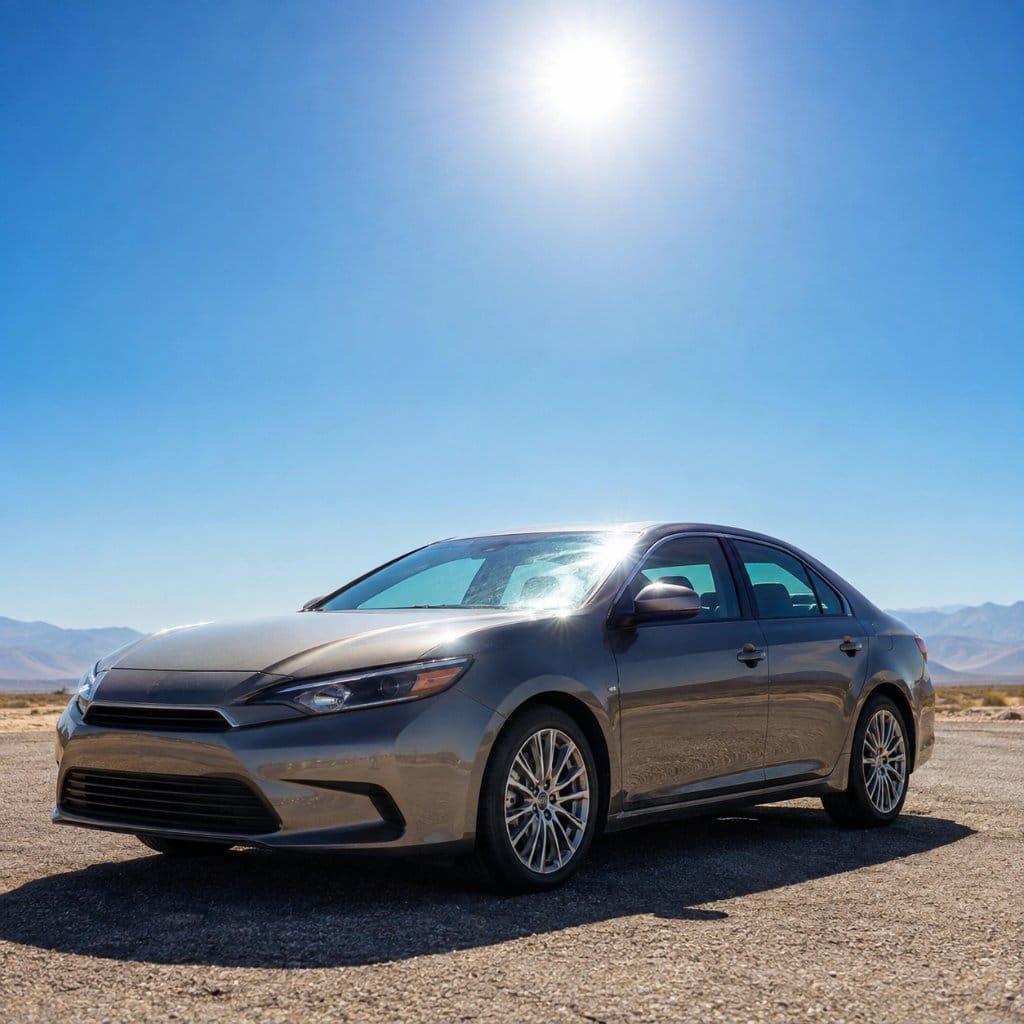
A car left in direct sun behaves like a sealed greenhouse, trapping radiant heat until interior temperatures climb far above the air outside. That heat, combined with constant ultraviolet radiation, attacks nearly every surface of the vehicle at once. Paint oxidizes and fades, clear coat dulls, dashboards and trim crack, leather dries and splits, and electronics endure stress they were never meant to face daily. Understanding exactly how this damage develops explains why a reflective, well-fitted car cover is one of the most cost-effective protective steps an owner can take for a vehicle parked outdoors.
1.1 The Hidden Toll of Sun and Heat
Ultraviolet light is the quiet enemy of automotive paint. It breaks down the chemical bonds in the clear coat and color layers, causing the fading, chalky oxidation, and loss of gloss that age a car visually long before anything mechanical fails. Dark and red paints show this fastest, but no color is immune over time. The same radiation hardens and discolors plastic trim and rubber seals, which is why neglected dashboards develop the familiar network of cracks. A cover that blocks and reflects UV interrupts this process at the source rather than treating the symptoms later.
Heat compounds the damage in ways many owners overlook. Trapped cabin temperatures can soar high enough to warp adhesives, degrade upholstery, and accelerate the off-gassing that leaves a haze on the inside of the windshield. The repeated daily cycle of extreme heating and overnight cooling stresses materials through expansion and contraction, loosening trim and drying out seals. For anyone who has burned their hands on a steering wheel or sat on scorching seats, the comfort cost is obvious, but the long-term toll on the car’s value is the more expensive problem a good cover helps prevent.
1.2 How a Heat-Protective Car Cover Works
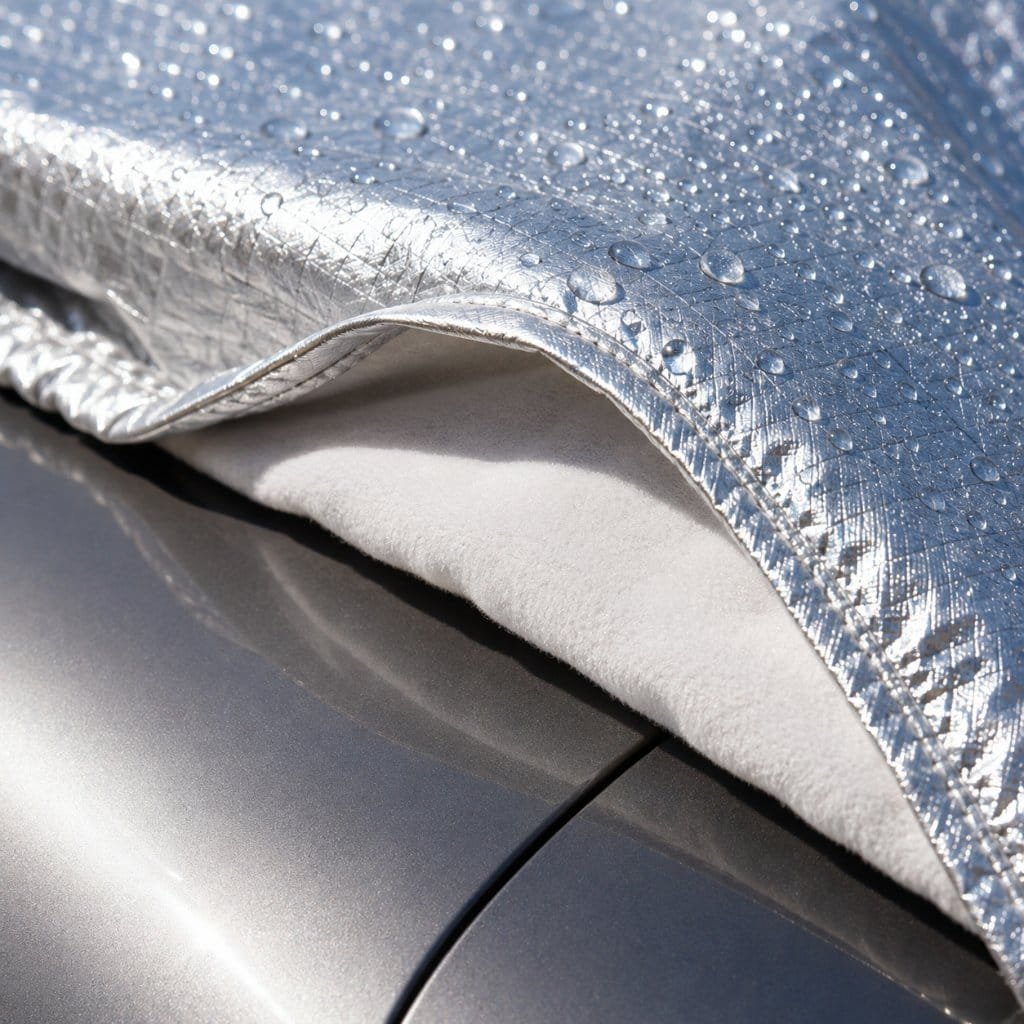
A heat-protective car cover defends a vehicle through two mechanisms working together: reflection and insulation. The outer surface, often treated or layered with a reflective aluminized film, bounces a large share of incoming solar radiation away before it can be absorbed by the paint. Beneath that, additional fabric layers slow the transfer of whatever heat does get through, keeping the body panels and cabin cooler than an uncovered car parked beside it. The cover also physically blocks direct ultraviolet contact with the paint, which is the single most important factor in preventing long-term fading.
Breathability is the feature that makes this protection safe rather than harmful. A quality cover allows moisture and trapped heat to escape, so condensation does not form against the paint and encourage mold, mildew, or corrosion. The best designs balance a tight outer weave that repels rain and dust with an inner layer soft enough to cushion the finish and porous enough to let the car dry. When reflectivity, insulation, UV blocking, and breathability are combined in one well-fitted cover, the result is meaningfully lower surface temperatures and a finish that stays protected season after season.
2. What to Look for in a Heat-Protective Car Cover
The right car cover comes down to a few decisive features rather than marketing claims printed on the packaging. Material and layer count determine how much heat and ultraviolet light the cover actually stops; fit and fastening decide whether it stays put and protects without chafing; and breathability governs whether it keeps the car healthy underneath. Weighing these against your climate, where you park, and how often you cover the car prevents the common mistakes of buying a flimsy cover that fails in a season or an over-built one whose features you never need.
2.1 Material Layers and Reflectivity
Layer count is the headline specification for heat defense, and it is usually advertised as three, five, or six layers. More layers generally mean better insulation and durability, but the composition matters as much as the number. The most effective heat covers include a reflective aluminized film near the outer surface that turns away solar radiation, paired with woven polyester or polypropylene layers that add insulation and tear resistance. A genuinely heat-focused cover will name its UV-reflective layer specifically, rather than simply claiming to be waterproof, which is a different property altogether.
Reflectivity and waterproofing must be balanced against breathability, because a fully sealed cover traps the very moisture it should release. The best materials are water-resistant on the outside yet still allow vapor to pass, often described as breathable or with sealed seams plus venting. A soft, non-abrasive inner lining is equally important, since it sits directly against the paint every day. When comparing covers, look beyond a single buzzword and confirm the material does three jobs at once: reflects heat, blocks UV, and still lets the car breathe underneath.
2.2 Fit, Fastening, and Breathability
A cover only protects what it actually covers, so fit is as important as fabric. Custom and semi-custom covers are tailored to a vehicle’s exact dimensions and hug the body closely, which prevents wind from lifting them and reduces the gaps where dust and heat sneak in. Universal covers cost less and stretch to fit a size range, but a loose cover flaps against the paint and can chafe the finish over time. Measuring your vehicle and matching it to the correct size chart is the difference between a cover that stays sleek and one that becomes a liability in the wind.
Fastening systems keep the cover secure in real conditions. Look for built-in elastic hems, underbody straps, grommets for a cable lock, and reinforced corners that survive repeated use. These features stop a gust from turning the cover into a sail and add a small theft deterrent on a street. Breathability, meanwhile, remains the safeguard against moisture damage even on a perfectly fitted cover. A car cover that combines a snug, secured fit with vapor-permeable fabric delivers protection that lasts, while a poorly anchored cover can scratch more paint than the sun ever would.
3. The Best Heat-Protective Car Covers Reviewed
As an Amazon Associate, BeIN ADVISOR earns from qualifying purchases.
The five car covers below were chosen to span the situations owners face most, from punishing desert heat to all-weather storage and tight budgets. Each entry explains the cover’s place in the market, details its construction and how it protects, and describes who it suits best along with the trade-offs to weigh. Prices and exact sizing vary by vehicle and region, so the focus stays on layers, reflectivity, fit, and durability rather than a single figure. Read each summary against your climate and parking situation to find the closest match for your car.
3.1 Kayme 6-Layer Car Cover — Best for Intense Heat and Sun
The Kayme 6-Layer cover has built a strong reputation specifically among owners who battle relentless sun, making it the natural first pick for heat defense. It sits in the upper mid-range of the market, offering premium-sounding construction at a price most drivers can justify. Kayme markets the cover around its reflective aluminum film, the layer that does the heavy lifting against solar radiation. For anyone whose main concern is a scorching parked cabin and fading paint rather than occasional dust, this cover targets exactly that problem and is widely available in universal and semi-custom sizes.
The construction stacks six layers around a central aluminized film, with woven outer fabric for water and dust resistance and a soft cotton-like inner layer that rests against the paint. The reflective core turns away a substantial portion of sunlight, while the surrounding layers add insulation and tear strength. Elastic hems at front and rear, plus underbody straps and reinforced grommets, hold it firmly in wind. The cover folds into an included storage bag, and the multi-layer body still manages enough breathability to release trapped moisture when fitted correctly over a clean car.
This cover suits owners in hot, sunny climates who want maximum heat and UV protection without paying full custom-cover prices. The trade-off is bulk and weight, since six layers make it heavier to fit and fold than a thin dust cover, and the universal sizes never hug the body quite as tightly as a tailored option. Drivers who only need light indoor dust protection will find it more cover than necessary. For its target buyer facing real heat, though, the reflective construction and secure fastening make it one of the most capable choices available.
3.2 Leader Accessories 5-Layer Car Cover — Best All-Weather Durability
Leader Accessories has long been a dependable name in mid-priced car protection, and its 5-layer cover is built to handle whatever the seasons deliver. It occupies the practical center of the market, aimed at owners who want solid year-round defense rather than specialization in one threat. The cover balances sun and heat resistance with rain, snow, and dust protection, positioning it as the sensible all-rounder. For a driver who parks outdoors through changing weather and wants one cover that does most jobs well, it is an easy and trusted recommendation.
Five woven layers give the cover its strength, with a UV-treated outer surface to resist fading and a breathable construction that lets moisture escape. Sealed against rain yet vented to prevent condensation, it tackles the core challenge of outdoor storage in mixed climates. Reinforced grommets, an elastic hem, and included straps keep it anchored, while double-stitched seams add longevity. The fabric is lighter and easier to handle than the heaviest six-layer rivals, which makes daily fitting less of a chore without sacrificing meaningful durability across a typical ownership period.
This cover is best for owners in variable climates who value all-around protection and easy handling over maximum reflectivity. The trade-off is that its heat defense, while genuinely good, does not match a cover engineered around a dedicated aluminum reflective layer for the harshest sun. Buyers in extreme desert conditions may want something more specialized, while those facing four seasons will appreciate the balance. For the broad middle of drivers who need reliable, manageable, all-weather coverage, the Leader Accessories 5-layer is a well-judged and durable option.
3.3 OxGord Executive Storm-Proof Car Cover — Best for Severe Weather
The OxGord Executive Storm-Proof cover targets owners who face the harshest outdoor conditions, from heavy sun to driving rain and strong wind. It is positioned as a heavy-duty, all-conditions shield rather than a lightweight everyday cover, appealing to drivers who want robust protection and peace of mind. OxGord leans on the cover’s durable multi-layer build and weather sealing as its selling points. For a vehicle parked permanently outdoors in a demanding climate, this cover is designed to stand up to sustained exposure that would wear out thinner alternatives.
Its multiple woven layers resist water, block ultraviolet light, and insulate against heat, with a soft inner surface to protect the paint and a tough outer shell to shrug off the elements. Heat-sealed or reinforced seams improve waterproofing, and the cover ships with secure straps and an elastic hem to survive gusty conditions. The construction prioritizes resilience, so the material feels substantial and holds its protective qualities through repeated harsh-weather cycles. Breathable venting helps moisture escape, preventing the trapped-damp problem that plagues cheaper fully sealed covers in wet climates.
This cover suits owners in severe or unpredictable climates who prioritize rugged, all-threat protection over light weight. The trade-offs are heft and a universal fit that, like most non-custom covers, will not contour to the body as precisely as a tailored option. Drivers in mild conditions or those who cover the car only occasionally may not need this much armor. For anyone parking outdoors through storms and intense sun alike, however, the Executive Storm-Proof delivers dependable heavy-duty coverage that justifies its place on this list.
3.4 Classic Accessories OverDrive PolyPro — Best Value
The Classic Accessories OverDrive PolyPro line takes the budget-conscious approach, delivering respectable protection at a price that makes covering a car an easy decision. It is positioned for owners who want meaningful defense against sun, dust, and light weather without investing in a premium multi-layer system. Classic Accessories is a well-established name in outdoor protective covers, and the PolyPro range applies that experience to an affordable tier. For a second vehicle, a daily driver, or anyone testing the habit of covering their car, it fills the value slot convincingly.
The cover uses a lighter three-layer polypropylene construction that resists ultraviolet light and dust while remaining highly breathable, which helps prevent moisture buildup underneath. An elastic hem and included tie-down straps keep it in place, and the fabric is easy to fit and fold thanks to its modest weight. While it lacks a dedicated reflective aluminum layer, its UV-resistant surface still shades the paint and reduces direct sun exposure, providing the core benefit of covering at a fraction of the cost of heavier rivals.
This car cover is best for budget-minded owners, mild-to-moderate climates, and anyone who wants solid everyday protection without overspending. The trade-off is that its lighter build offers less heat insulation and durability than five or six-layer covers, so it will not match them in extreme sun or survive as many harsh seasons. Owners in scorching regions may outgrow it. For its price and purpose, though, the OverDrive PolyPro provides genuine UV and dust defense and remains one of the smartest value picks for routine outdoor parking.
3.5 Seal Skin Supreme Car Cover — Best Premium Protection
The Seal Skin Supreme sits at the premium end of the market, aimed at owners who want comprehensive protection and a tailored fit for a cherished vehicle. It competes on quality of materials, completeness of weather defense, and the close fit that comes from custom and semi-custom sizing. Seal Skin built its reputation on durable, fully featured covers, and the Supreme is its well-rounded flagship for outdoor use. For a prized car that deserves the best everyday shield against heat, sun, and moisture, this cover is the aspirational choice in the group.
Multiple layers combine water resistance, ultraviolet blocking, and heat insulation, finished with a soft inner lining that cushions the paint against daily contact. The outer fabric repels rain and resists fading, while breathable construction lets trapped moisture escape to protect the finish. Custom-fit options contour closely to the body, minimizing wind flap and gaps, and secure straps with an elastic hem lock everything down. The overall package feels built to last, with attention to seams, fastening, and the lining details that distinguish a premium cover from a generic one.
This cover is best for owners who want top-tier, all-around protection and are willing to pay for a closer fit and better materials. The trade-offs are price and the need to order the correct fit for your specific vehicle, which takes more care than grabbing a universal size. Casual users covering an everyday car occasionally may find it more than they need. For enthusiasts and anyone protecting a vehicle they value highly, however, the Seal Skin Supreme rewards the investment with refined, durable, comprehensive coverage.
4. Car Cover Comparison at a Glance
The table below distills the five reviews into the factors that most affect a buying decision: construction, heat and UV defense, fit type, and the owner each cover serves best. Use it to shortlist a couple of candidates, then return to the detailed write-ups for the finer points a table cannot show. The ideal car cover is the one matched to your climate and parking situation, not simply the one with the most layers printed on the label.
| Cover | Construction | Heat & UV Defense | Fit | Best For |
|---|---|---|---|---|
| Kayme 6-Layer | 6-layer, reflective aluminum | Excellent | Universal / semi-custom | Intense sun and heat |
| Leader 5-Layer | 5-layer woven, UV-treated | Very good | Semi-custom | All-weather durability |
| OxGord Executive | Heavy multi-layer | Very good | Universal | Severe weather |
| Classic OverDrive | 3-layer polypropylene | Moderate | Semi-custom | Value and breathability |
| Seal Skin Supreme | Multi-layer + soft lining | Very good | Custom | Premium all-round |
Protecting a car is about more than the bodywork. To safeguard what happens on the road as well, our review of the best dash cam picks covers another worthwhile layer of vehicle protection, and for more hands-on buyer’s research you can browse our wider gear and gadget reviews.
5. How to Fit, Secure, and Maintain a Car Cover
Even the best car cover only delivers on its promise when it is used correctly, and a few simple habits dramatically extend both the cover’s life and the protection it offers. Fitting it over a clean car, securing it against wind, and keeping it clean and dry are the essentials. Neglecting any of these can turn a protective cover into a source of scratches or trapped moisture. The guidance and care schedule below make the routine straightforward, so the cover keeps your vehicle cooler and its finish intact for years.
5.1 Fitting and Securing the Cover
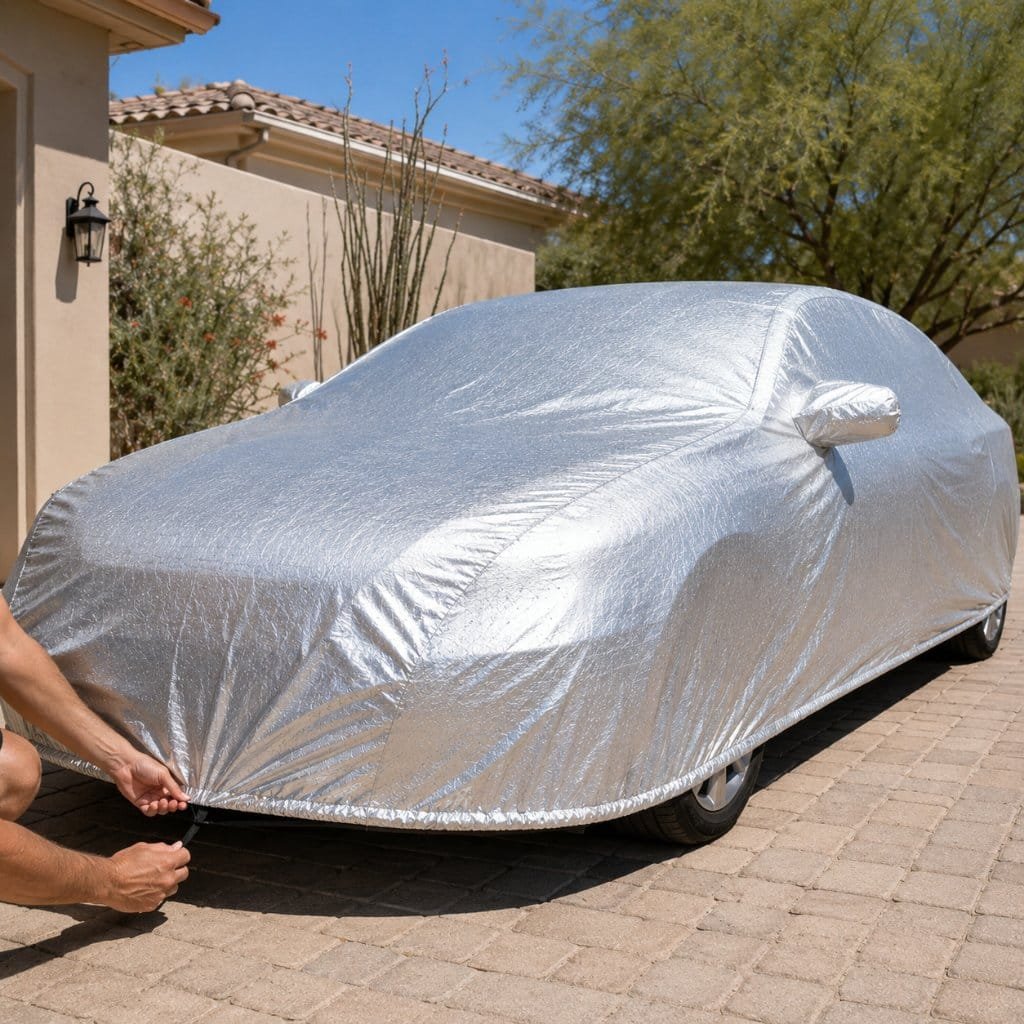
Always fit a cover over a clean, dry car, because grit trapped between the fabric and the paint is the most common cause of fine scratches. Give the body a quick rinse or dusting if it is visibly dirty, then drape the cover from the roof outward, aligning the marked front and rear before smoothing it down the sides. Working from the center out keeps the cover even and prevents the bunching that leaves panels exposed. Taking an extra minute to seat it properly is the single best habit for scratch-free protection.
Securing the cover matters most in wind, where a loose cover can flap and chafe or blow off entirely. Fasten the underbody straps front and rear, clip or cinch the elastic hem beneath the bumpers, and use any included buckle straps for a snug result. In gusty or exposed locations, a cable through the grommets adds both wind security and a modest theft deterrent. A cover that is anchored at several points stays sleek against the body and protects consistently, whereas an unsecured cover becomes a sail that works against the finish it is meant to guard.
5.2 Cleaning, Storage, and a Care Schedule
Keeping the cover itself clean is what protects the paint underneath. Shake off loose dust and debris each time you remove it, and wash the cover periodically to clear the abrasive grit that accumulates and to restore breathability clogged by dirt. Most covers can be hosed down and air-dried, though you should follow the maker’s instructions and avoid harsh detergents that strip protective coatings. Critically, never fold a damp cover away, because trapped moisture breeds mildew and odor that transfer straight back onto the car at the next use.
A light maintenance routine keeps a cover performing for years rather than months. Inspect the straps, seams, and grommets regularly so a small tear is repaired before it spreads, and store the cover in its bag, fully dry, when the car is garaged for a stretch. The schedule below summarizes the simple tasks that preserve both the cover and the vehicle. Following it costs only minutes and protects the far larger investment sitting underneath the fabric every single day.
| Task | Frequency | Why It Matters |
|---|---|---|
| Shake off dust and debris | Every use | Stops grit from scratching the paint |
| Rinse or wash the cover | Monthly | Removes abrasive dust, restores breathability |
| Inspect straps and seams | Monthly | Catches wear before it fails |
| Confirm a clean car surface | Every fitting | Prevents trapped-grit scratches |
| Dry fully before storage | Every removal | Prevents mold, mildew, and odor |
6. Frequently Asked Questions
Does a car cover really keep a vehicle cooler? Yes, particularly reflective multi-layer covers. By blocking direct sun and bouncing away radiant heat, they noticeably lower cabin and surface temperatures compared with an uncovered car, though no cover makes a parked vehicle cold in summer.
Will a cover scratch my paint? A clean, well-fitted cover with a soft inner layer will not. Scratches usually come from trapped grit or dragging a dirty cover across the body, so rinse the car first and never fit a cover over a dusty surface.
Do I need an outdoor cover or an indoor one for heat? For heat and sun you need an outdoor cover with UV-reflective, breathable layers. Indoor covers are thin and guard only against dust, offering little defense against ultraviolet light or high temperatures.
Is a custom-fit or universal car cover better? Custom and semi-custom covers fit tighter, flap less, and protect better, but cost more. Universal covers are cheaper and fine for occasional use, provided you match your vehicle to the correct size range.
Conclusion: Shield Your Car From Heat the Smart Way
Choosing the right car cover comes down to matching construction to your climate and parking. The Kayme 6-Layer leads for relentless sun, the Leader 5-Layer balances every season, and the OxGord Executive armors a vehicle against severe weather. The Classic OverDrive PolyPro delivers honest value, while the Seal Skin Supreme rewards owners who want premium materials and a tailored fit. In each case, reflectivity, breathability, and a secure fit matter far more than headline claims, because those are the features that actually keep heat and ultraviolet damage at bay.
Decide where you park, how harsh your climate is, and how often you will cover the vehicle, then choose the car cover that answers those questions and fit it with a little care. A reflective, breathable, well-secured cover keeps the cabin cooler, preserves the paint, and protects resale value for the cost of a single tank of fuel. Protect your car today, and it will look and feel newer for far longer than an uncovered vehicle baking in the sun ever could.