

In a furniture flipping business, the profit is mostly decided before you lift a single drawer. It is fixed at the moment you agree a price with the seller. Pay too much for a dresser, and no amount of sanding will rescue the margin. Similarly, pay a fair price for the wrong piece, and you will store it for months. However, buy a solid piece at the right price, and a clean, honest refresh is often all it needs.
This guide walks through a flip in the order it happens, from the first listing you see to the buyer who carries the piece away. It covers what sells, where to find it, and the five-minute inspection that protects your money. In addition, it explains the legal line on recalled products, cribs and dressers, and the lead-paint risk in old finishes. Finally, it shows how to price a flip line by line, so each sale tells you what you actually earned.
What a Furniture Flipping Business Actually Sells
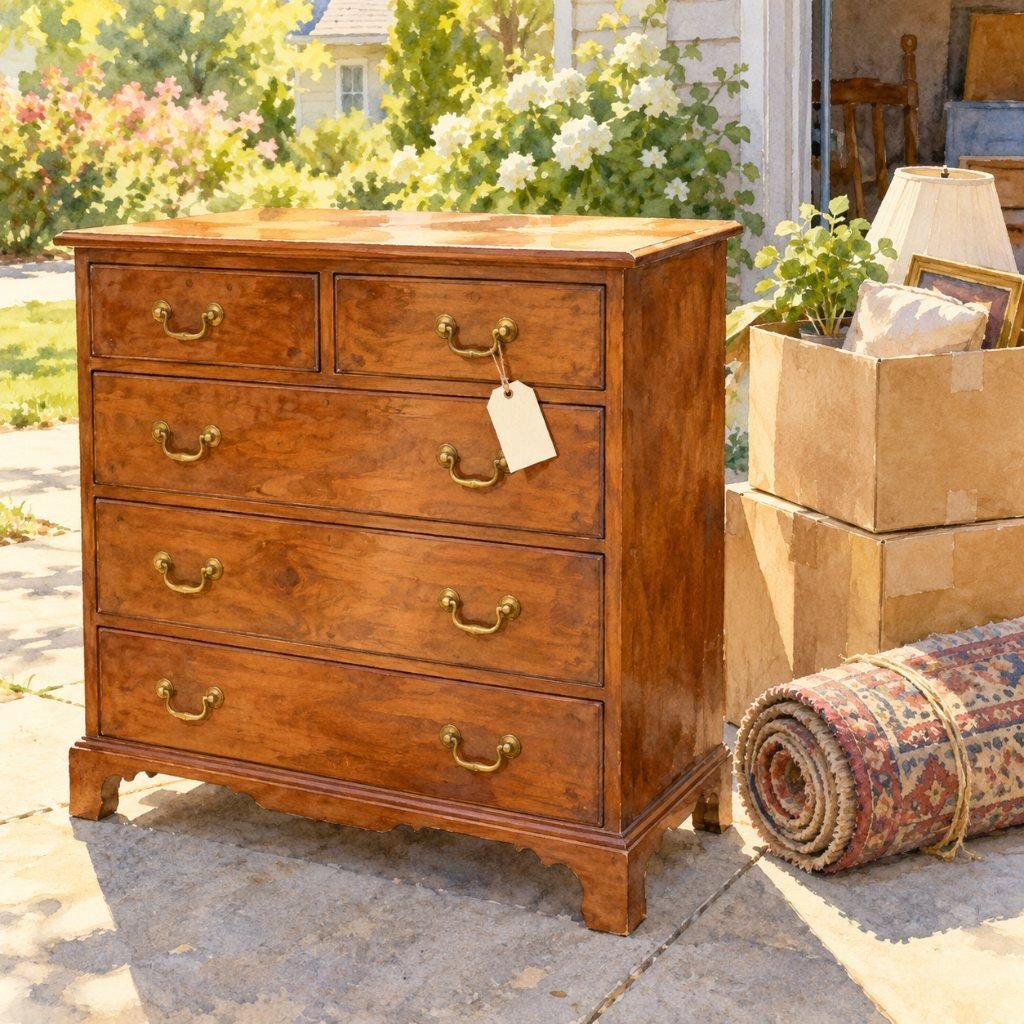
Most flippers do best with case goods. These include dressers, chests of drawers, sideboards, nightstands and small tables. Moreover, these pieces are useful in almost any home, and their value depends on their structure more than on fashion. A solid wood dresser with sound drawers can take new hardware and a careful clean and look ready for another decade. In contrast, a sofa or armchair brings fabric, smell and pest questions that are harder to answer before you buy.
Size matters as much as style. For example, a nightstand fits in a hatchback and sells to a student, a renter or a family. A tall wardrobe, by contrast, needs two people, a van and a buyer with the right stairs. Therefore, many new flippers start with pieces one person can move safely with a hand truck. Moreover, small pieces turn over faster, which keeps your cash moving while you learn what your local buyers want.
Therefore, before you buy anything, spend a week watching your local listings. Note which pieces sell within days and which stay listed for weeks. Then write down three types you will buy and two you will always pass on. That short list keeps your furniture flipping business focused when a “bargain” appears that does not fit it.
Pricing a Flip in a Furniture Flipping Business, Line by Line
Price each flip from its real costs, not from the sale price you hope to get. Add the purchase price, the materials, the hardware and your fuel for collection and delivery. Then add your own hours at a rate you set before you start. Finally, add a small share of what your storage space costs. The table below shows the method with example figures in currency units; they are not market prices.
| Cost line for one dresser | Example (currency units) | Note |
|---|---|---|
| Purchase price | 60 | Agreed before collection. |
| Cleaner, wax and filler | 12 | Shared across several pieces. |
| New hardware (6 pulls) | 24 | Measured to fit the old holes. |
| Fuel or van hire | 20 | Collection and delivery. |
| Your hours (6 h at 10) | 60 | Rate set before you start. |
| Storage share | 8 | Floor space for two weeks. |
| Total cost | 184 | Before your profit. |
In this example, a sale at 260 leaves your furniture flipping business 76 after every cost, including your own time. Because your hours are a cost line, you can compare flips fairly. For instance, a quick refresh that leaves 50 above materials after three hours pays about 17 an hour, while a refinish that leaves 90 after fifteen hours pays 6. The Small Business Administration also separates one-time start-up costs from ongoing monthly costs. Therefore, keep tools such as a sander or a hand truck out of the price of the first piece. Our guide to a honey business without bees applies the same line-by-line method to a jar.
Where to Source Pieces for a Furniture Flipping Business
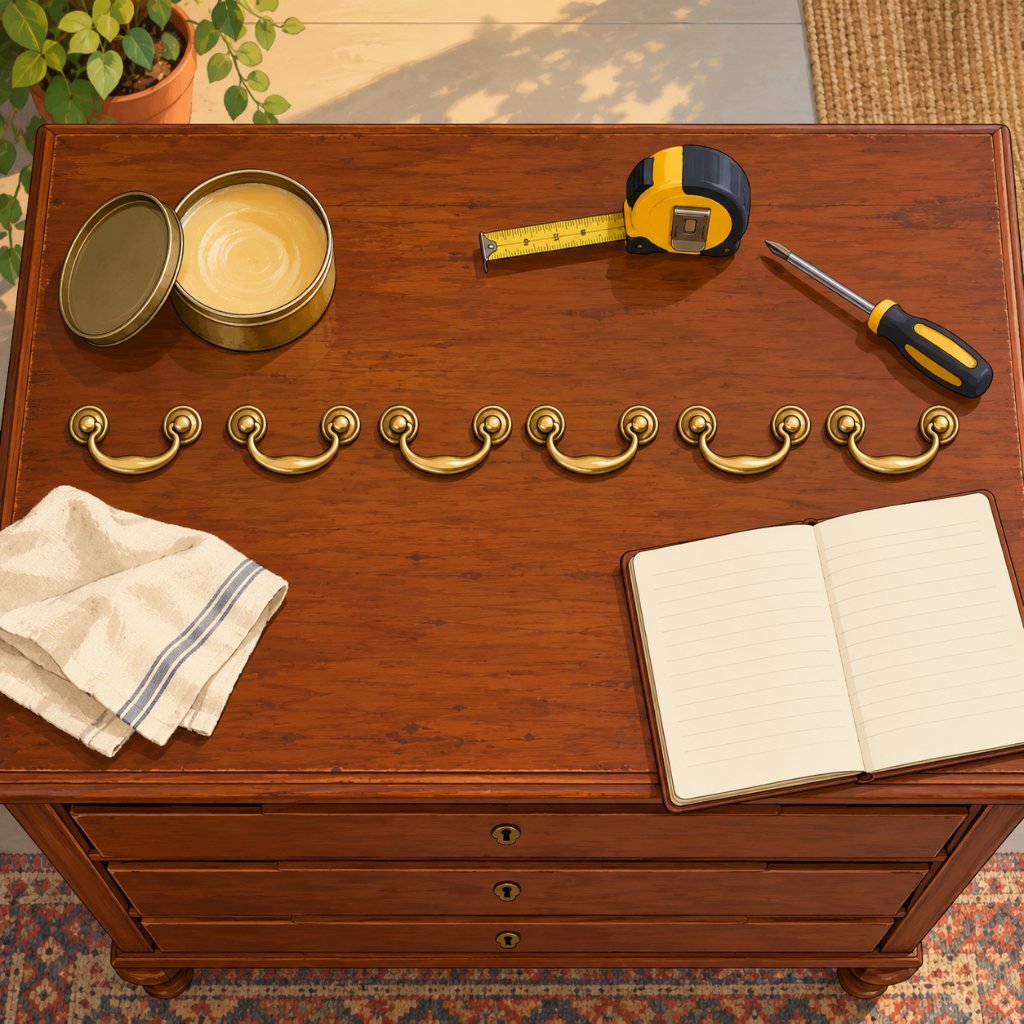
Good stock usually comes from sellers in a hurry. In fact, they often need the piece gone more than they need the money. Moving sales, estate sales and online marketplace posts that say “must go this weekend” all fit that pattern. Similarly, small offices that are closing sometimes sell solid desks and cabinets in batches. In contrast, curbside pieces cost nothing. However, check them with the same care, since a free piece can still carry pests or water damage.
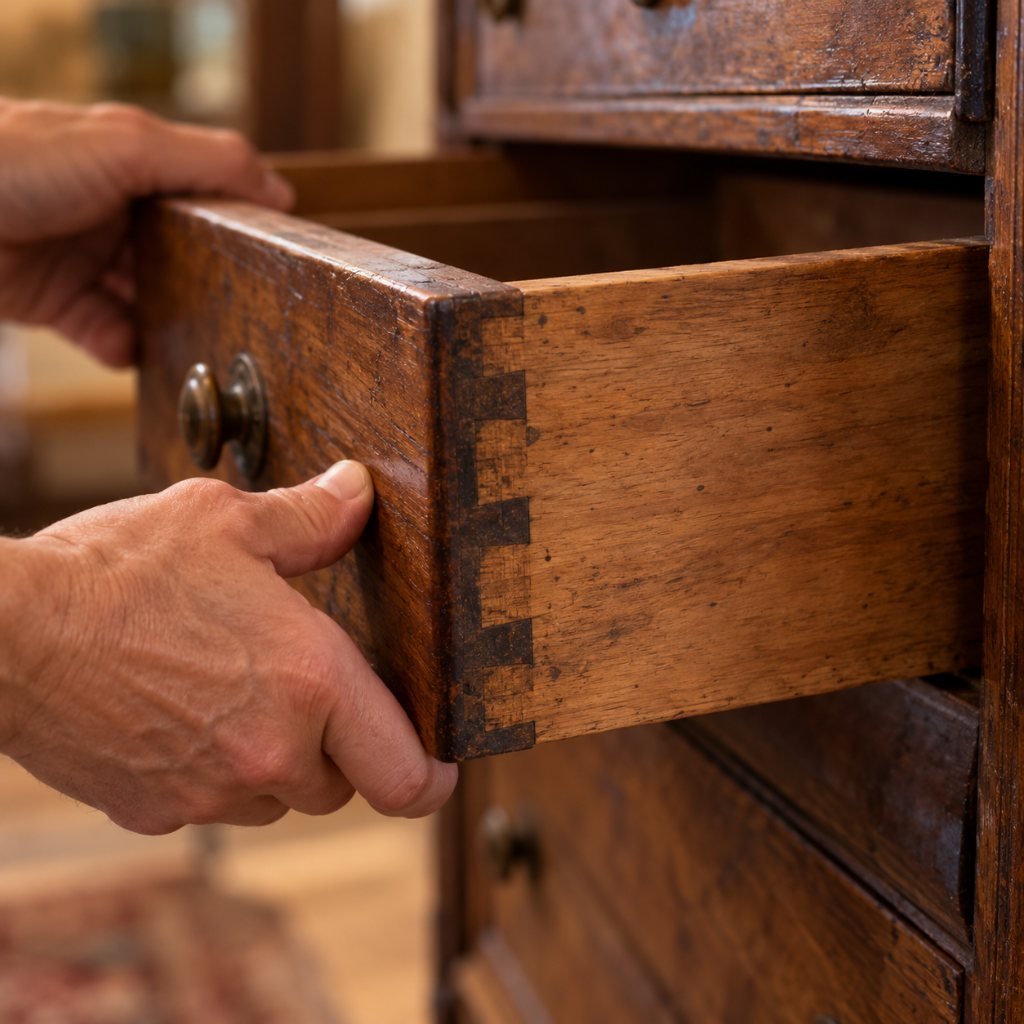
Message sellers with questions before you drive anywhere. Ask for a photo of the inside of a drawer, the back panel and the underside. For instance, a drawer photo shows whether the joints are dovetailed, stapled or glued. Similarly, the back panel shows water stains. As a result, those photos save you trips to pieces you would never buy. In addition, keep your messages polite and brief. A seller who liked dealing with you may call you first next time, before the piece reaches the open market.
The Five-Minute Inspection Before You Pay
Inspect every piece the same way, in the same order. That way, nothing gets skipped while the seller waits. Start with the frame: push gently on each corner and watch for movement. Next, pull every drawer fully out and slide it back, then look at the joints and the runners. After that, check the top for lifting veneer, deep burns and water rings, and smell the inside of the drawers. In fact, a musty smell often means damp storage, and it rarely leaves the wood completely.
Then check for pests, especially on anything with fabric or deep joints. The EPA bed bug guidance is plain about this. It says to check secondhand furniture, beds and couches for signs of bed bugs before bringing them home. Use a small flashlight on seams, screw holes and the underside. For instance, look for dark spots, shed skins or live insects. If you find signs, walk away. As a result, your workshop, car and home stay free of a problem that can cost more than the flip.
Finally, decide on the spot whether the piece needs a refresh or a full repair. Loose joints, a missing drawer bottom or a split side can all be fixed, but each one adds hours. Consequently, write the repair time into your offer before you speak, rather than after you have already paid.

Recalls, Cribs and Dressers: The Legal Line for a Furniture Flipping Business
Reselling is still selling. Therefore, safety law applies to it too. The CPSC guide for resellers states it directly: it is illegal to sell any recalled product. In addition, the guide expects resellers to check whether a product has been recalled. It points to SaferProducts.gov as the place to search before you take an item into stock. The CPSC Resale and Thrift Stores Information Center adds that these rules cover anyone who sells consumer products, from thrift stores to yard sales. Consequently, make a recall search part of every buy. Use the brand and model name from the label on the back or inside a drawer.
In addition, children’s furniture needs extra care. According to the same guide, most cribs made before the federal crib safety standard took effect may not be resold. Moreover, the same guide warns against selling broken or wobbly nursery furniture, even if it was never recalled. Its own rule is short: when in doubt, throw it out. Therefore, the simplest policy for a small furniture flipping business is to skip cribs and nursery pieces entirely.
In contrast, dressers bring a different risk. A tall chest with its drawers open can tip forward if a child climbs it. Consequently, CPSC’s Anchor It campaign asks households to anchor dressers to the wall. You are not the buyer’s installer. That said, an anti-tip kit and a short note about anchoring cost little, and they show the buyer you take safety seriously.

Old Paint and Lead in a Furniture Flipping Business
Painted pieces need one extra question before you sand them. The EPA page on sources of lead explains the background. The federal government has long banned the sale of lead-based paint for use in homes and childcare facilities. Paint applied before that ban, therefore, may contain lead. Moreover, the same page lists refinishing old furniture as a job that can expose people to lead. Sanding and scraping turn old paint into dust, and the dust is the main risk.
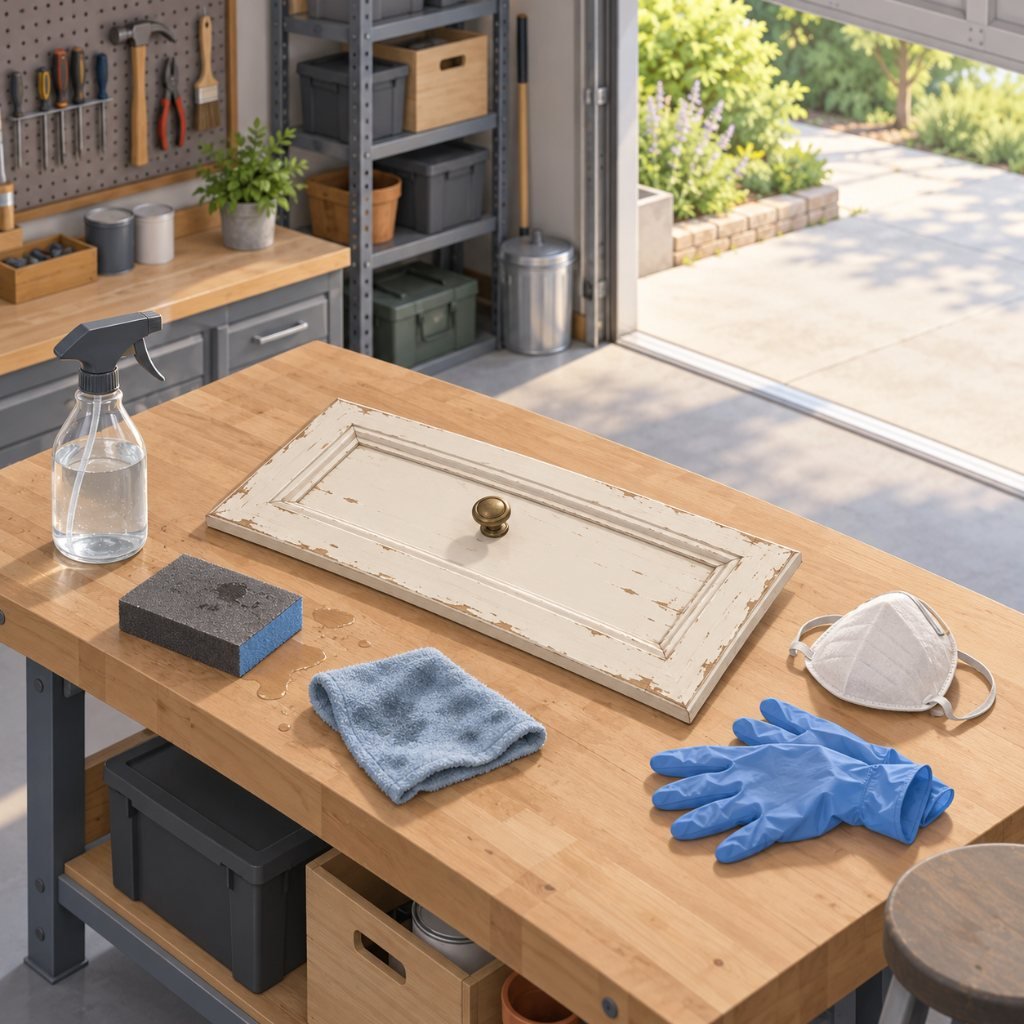
If you must sand old paint, the EPA advises wetting the area first. It also advises sanding the smallest area you can and cleaning up thoroughly. Testing has limits too. Home test swabs are easy to buy. However, the EPA notes on lead test kits explain that EPA recognises only three kits, and only for use by certified renovators and inspectors. Alternatively, you can send a paint chip to an accredited laboratory for analysis. For a new furniture flipping business, therefore, the practical rule is simple: leave old painted finishes intact, or pass on the piece.
Refresh, Refinish or Sell As Is
Not every piece in a furniture flipping business needs a new finish. A light refresh means cleaning, tightening, waxing, and sometimes new knobs or pulls. It takes an afternoon and suits sound pieces with a finish that is simply dull. A full refinish, by contrast, means stripping, repairs, sanding and several coats, and it can take a week of evenings. Therefore, start by asking which job the buyer will actually notice and pay for.
In addition, hardware is often the cheapest visible change in a furniture flipping business. New pulls in a consistent finish can make a plain dresser look deliberate rather than tired. However, measure the distance between the existing screw holes first, so the new pulls fit without drilling.
Selling as is also has a place in a furniture flipping business. Some buyers want a project, so a fair price and honest photos can move a piece with no work at all.
Photos and Listings That Sell Furniture
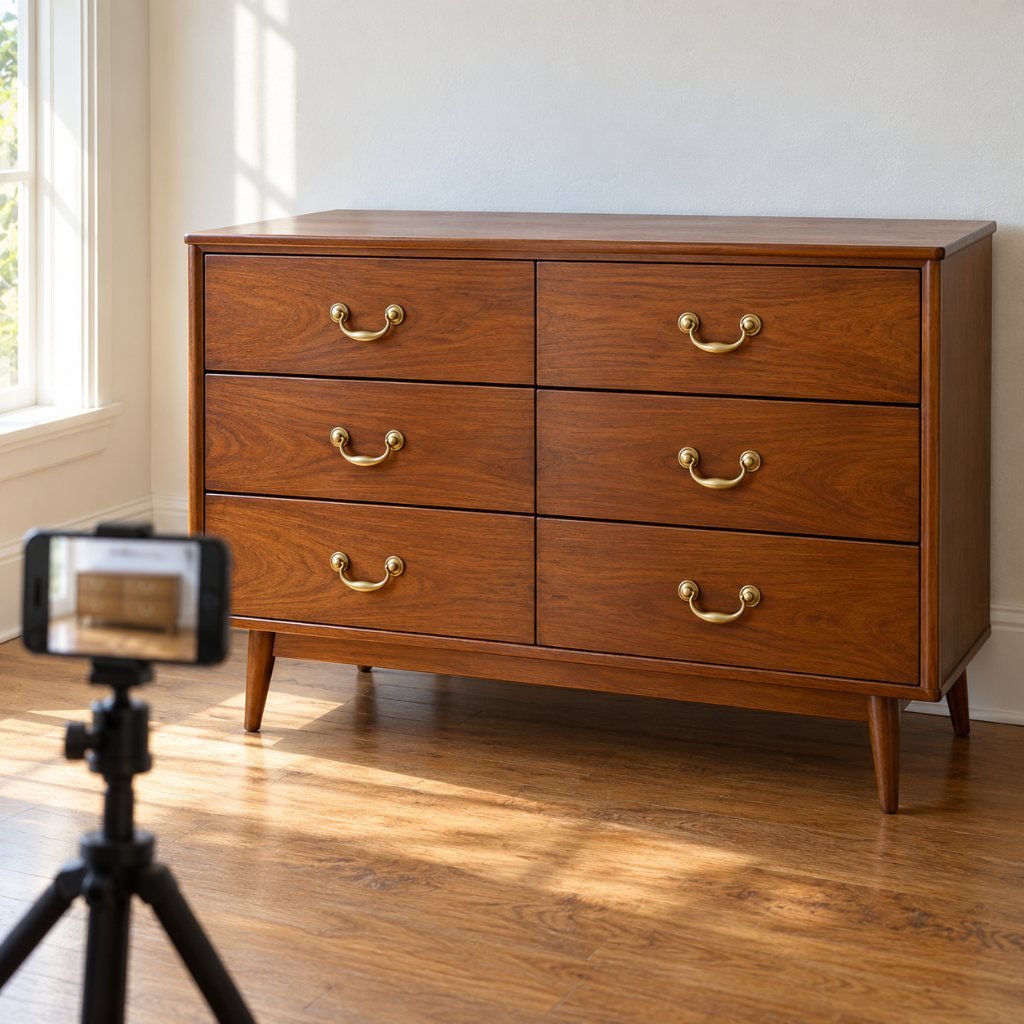
In a furniture flipping business, buyers decide from the first photo. So take it in daylight, straight on, with the drawers closed and the area clear. Then add photos of the top, an open drawer, the joints, the hardware and the back. Next, write the exact width, depth and height in the first line. Buyers check whether the piece fits before they read anything else.
Describe flaws plainly, and photograph them. For example, mention a small scratch on the left side and point to the photo that shows it. That honesty builds trust and saves you both a wasted trip. Moreover, state how the buyer collects the piece, whether you can deliver, and the price you will accept. Clear, honest listings bring fewer questions and fewer complaints. Over time, they also bring buyers who come back for your next piece.
Keeping Records in a Furniture Flipping Business
A furniture flipping business runs on small numbers, so write them down. Keep one line per piece: where you bought it, what you paid, what you spent on materials, the hours and the sale price. In addition, keep the receipts and a photo of each piece before and after. As a result, you can see which types of furniture earn the most for your time. For example, the log may show that nightstands earn less per piece but sell faster than sideboards in your area.
Rules for a regular resale activity differ by country and city. Therefore, ask your local authority whether your furniture flipping business needs a registration or a tax number once sales become regular. Moreover, keep the recall search result for each piece next to its line in the log. If a buyer ever asks, you can show what you checked and when.
The log also protects your time. When a piece sits unsold for weeks, the log shows what you paid and what it cost to hold. Consequently, you can decide calmly whether to drop the price, change the photos or offer it to a different group of buyers. Over a few months, the log becomes a clear record of which buys worked and which did not.
Space, Transport and Storage for a Furniture Flipping Business
Space sets the real limit on a furniture flipping business. Before you buy a second piece, measure the floor you can use for work. In addition, measure the corner where finished pieces will wait for buyers. Keep finished pieces covered and off the floor, away from damp walls. Keep stripping and finishing work in a ventilated area, away from where people sleep or eat.
Moving furniture safely needs a few basics: moving blankets, ratchet straps and a hand truck. In addition, ask a second person to help with anything tall. Remove drawers and carry them separately, and tape doors shut. Furthermore, collection and delivery time is part of the job. The same is true in an AC cleaning business, where every visit starts and ends with travel. So write your transport cost into every offer, or the margin will leak away on the road.
These tools cover inspection, safe moving and anchoring.
As an Amazon Associate, BeIN ADVISOR earns from qualifying purchases.
- Furniture anti-tip kit: an anchor strap set to include with each dresser you sell.
- Moving blankets: protect finished pieces from scratches in the van.
- Ratchet straps: hold tall pieces upright during transport.
- Inspection flashlight: lights up seams, joints and screw holes during the pest check.
- Hand truck: moves a dresser down steps with one person guiding it.
Write Your Walk-Away Price Before You Message a Seller
Each flip in a furniture flipping business starts with one number. Before you send the first message, write the highest price you will pay. Start from what similar pieces sold for locally, then subtract your other cost lines and the profit you want. What remains is the most you will pay. Then run the five-minute inspection, the recall search and the paint question on site. If any of them fails, or the seller will not meet your number, thank them and leave.
Walking away is part of the work. Consequently, the pieces you do buy arrive with their profit already set. Meanwhile, your flip log keeps that number honest, because each sale shows what pieces like this really earn. So the rule stays short: decide the number first, check the piece second, and pay only when both agree.